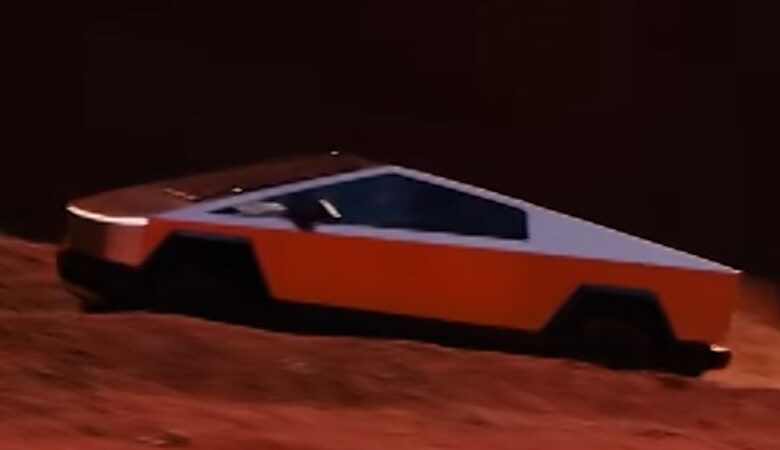
The Cybertruck, first unveiled as a prototype in 2019 and launched for the 2024 model year, was intended to be a flagship product for Tesla’s entry into the pickup truck segment. However, the gap between initial expectations and actual market performance has widened significantly. When commercial production began, Musk had predicted annual sales of 250,000 units. In reality, the figures tell a story of diminishing returns. According to Kelley Blue Book, Tesla sold 38,965 Cybertrucks in 2024, a number that fell to 20,237 in 2025. Through the first three quarters of 2026, sales had dropped further to just 11,586 units. Dan Ives, senior managing director at Yorkville Ives & Co, told CBS News that “the writing was on the wall” for the vehicle, citing its high price and subpar demand as primary factors in the decision to halt production.
The technological and commercial context for this shift lies in Tesla’s broader strategic pivot toward autonomy and robotics. The Cybertruck was marketed with aggressive specifications, touted as a “rolling fortress” capable of towing 14,000 pounds and withstanding significant physical impact. Yet, the vehicle has been beset by quality problems and numerous recalls involving its rearview camera, pedals, and other components. Meanwhile, the resources previously dedicated to the truck’s ramp-up are being redirected toward the Cybercab, a two-seat vehicle designed without a steering wheel or pedals. Production of the Cybercab began at the Texas plant in April 2026, with service commencing in Austin in September of the same year.
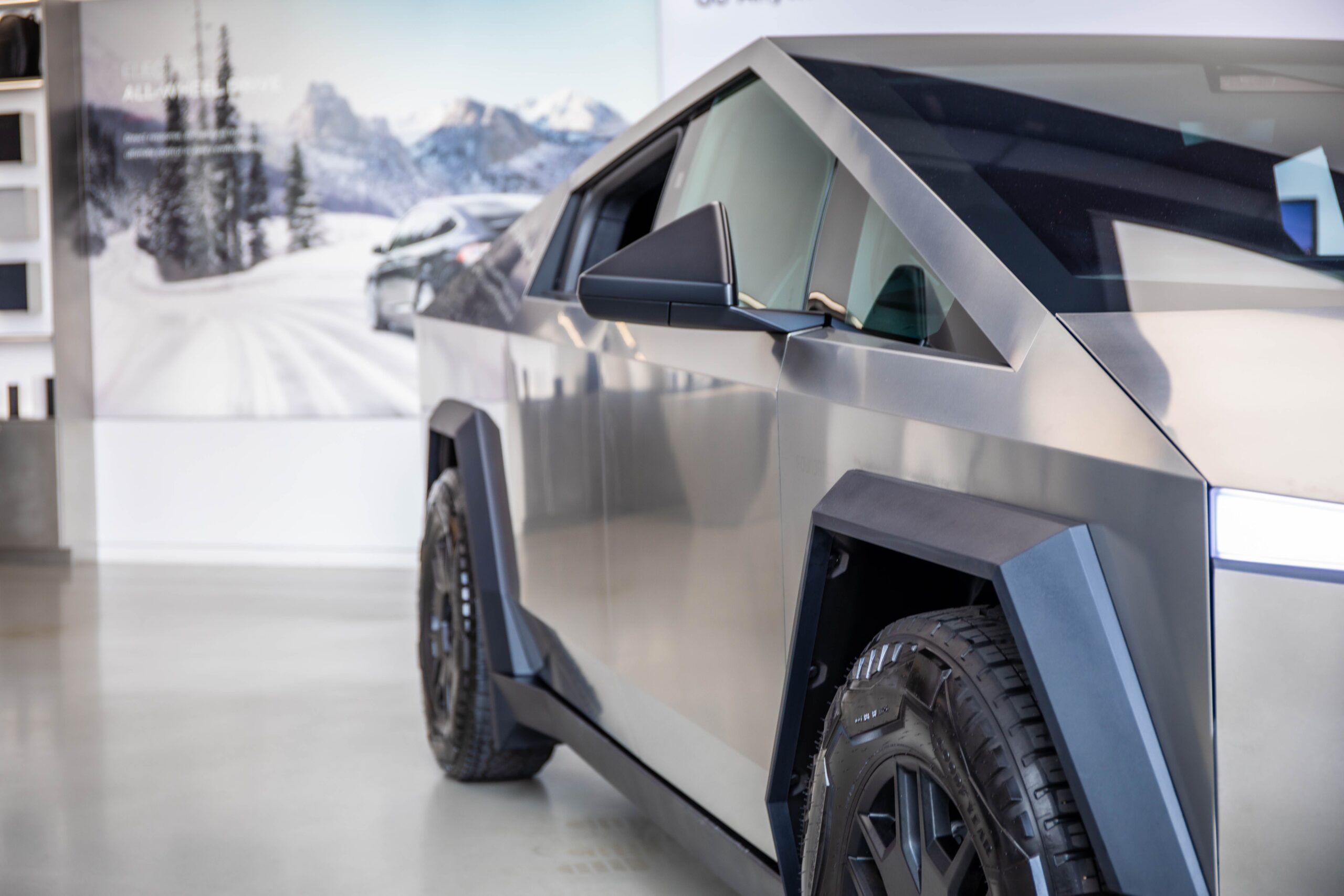
The economic implications of the Cybertruck’s underperformance are evident in its pricing structure. Initially launched at $60,990, the vehicle’s current available trims are the Premium All-Wheel Drive at approximately $90,000 and the “Cyberbeast” trim, which exceeds $100,000. While a Dual-Motor All-Wheel Drive variant priced over $80,000 remains listed on Tesla’s website, indicating potential final orders before production ends, the high cost barrier has likely contributed to the sales decline. Tesla’s overall sales are dominated by its Model Y and Model 3 vehicles, according to Cox Automotive, suggesting that the premium-priced truck does not align with the core volume drivers of the company’s current lineup.
The discontinuation of the Cybertruck also carries social and political dimensions. The vehicle became a flashpoint in debates regarding Musk’s role in the Trump administration, particularly as the head of the Department of Government Efficiency. In some instances, the truck served as a target for vandalism at dealerships by protesters. The shift away from the truck signals a company that is increasingly focused on the “robotaxi era” and robotics, as described by Ives, rather than expanding its line of consumer electric vehicles.
While it is theoretically possible that Cybertruck production could move to another facility, this appears unlikely. According to Forbes, the Gigafactory in Texas is the only plant currently manufacturing the pickup. For Tesla, the end of the Cybertruck’s production line is not merely a product sunset but a reallocation of capital and compute resources. Ives has noted that this focus on robotics and robotaxi services frees up production capacity that would otherwise be consumed by the winding-down truck ramp. The decision underscores a broader trend in the automotive industry where hardware production is increasingly subordinated to the development of autonomous software and robotic applications, with the Cybertruck serving as the first major casualty of that strategic realignment.
As Tesla transitions its Texas factory toward full-scale Cybercab and robot production, the legacy of the Cybertruck remains one of high ambition tempered by market reality. The next confirmed development for the company is the continued expansion of its Cybercab service and the integration of humanoid robots into its manufacturing and consumer ecosystems, marking a decisive move away from traditional vehicle sales toward a service-based, autonomous technology model.