Although AGOA exports account for approximately 1% of South Africa’s total global exports, the US remains the country’s third-largest trading partner. The exclusion is expected to disproportionately affect agricultural and manufacturing industries that rely on duty-free access. Francois Baird, founder of the FairPlay Movement, noted that while the volume of trade under AGOA is a small fraction of the total, the loss of preferential status alters the cost structure for exporters competing in the American market.
Industry groups have highlighted the immediate commercial consequences for specific products. Exporters Western Cape (EWC) reported that the province’s exports to the US have already declined by 41%, falling from R16.89 billion in the year ending July 2025 to R10.02 billion in the year ending July 2026. Within this decline, fruit juice exports dropped 86% to R136.7 million, grape exports fell 79% to R91.1 million, and wine exports decreased 38% to R371.5 million. EWC estimates that US-bound exports from the Western Cape support R12.98 billion in provincial GDP, 11,914 direct jobs, and 35,467 indirect jobs.
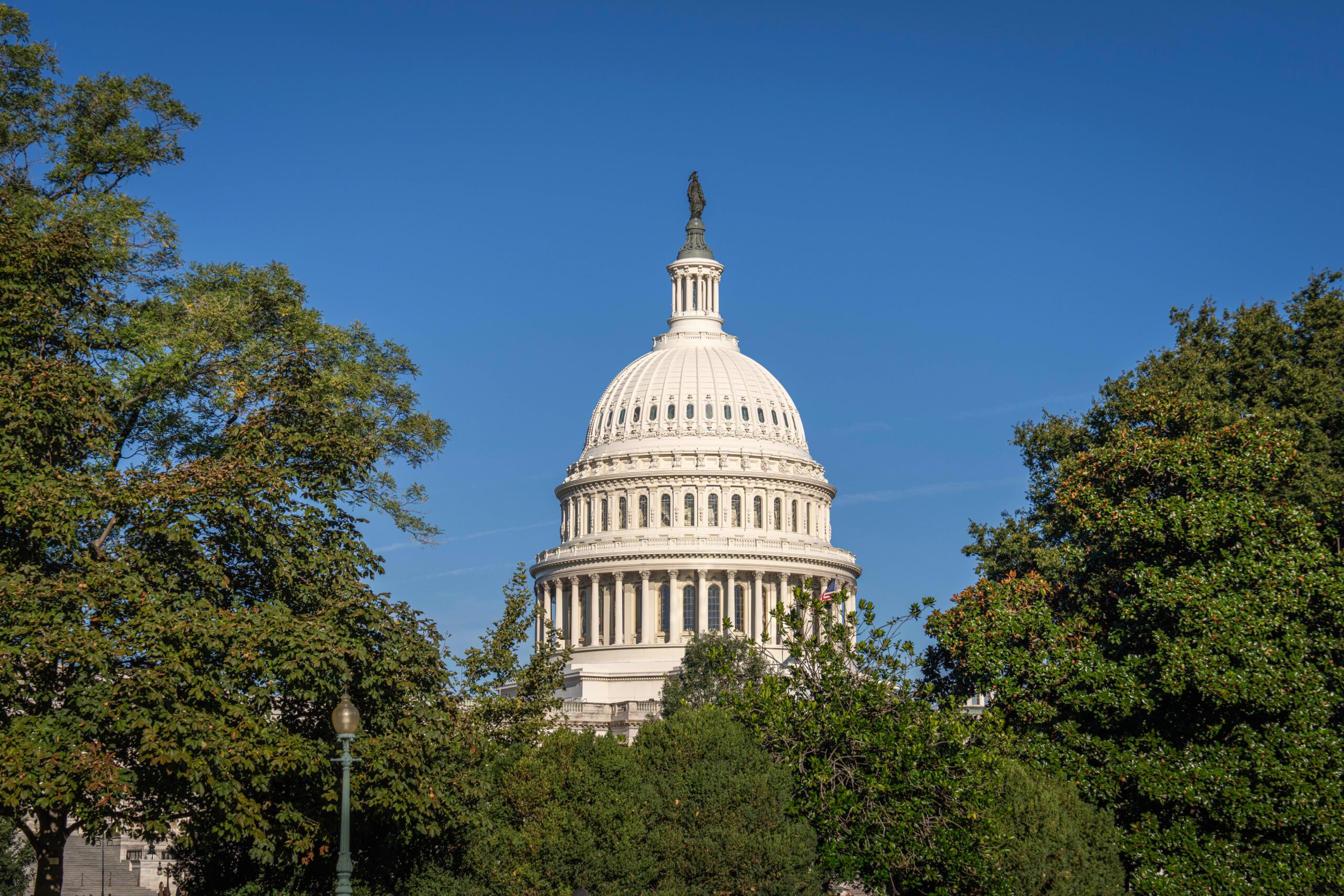
Terry Gale, chairman of EWC, stated that the loss of AGOA preferences would add pressure to exporters already facing weaker sales. “The time to do anything about this has passed. This is going to have a negative impact on our exporters and South Africa can ill afford it,” Gale said. He emphasized that businesses have spent years building relationships with American customers and that the priority must now be retaining those clients despite rising costs. AgriSA cautioned that the loss of preferential tariffs does not equate to a total loss of market access, but warned that higher duties could make South African products less competitive compared to rivals from countries with continued preferential treatment.
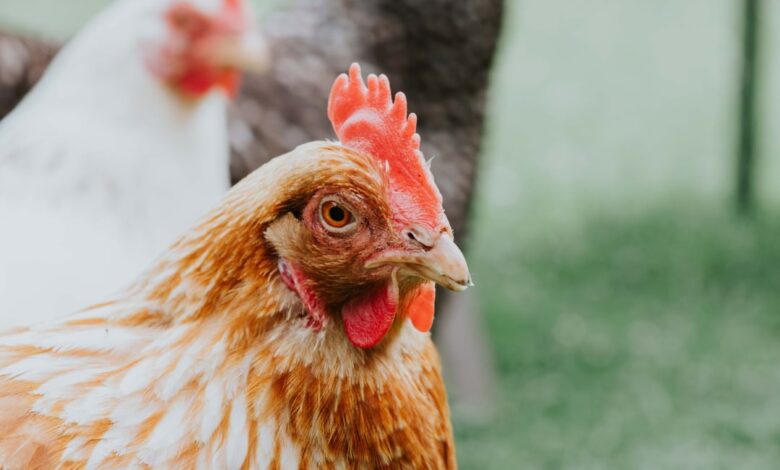
The poultry industry presents a complex dynamic. The South African poultry lobby sees an opening to terminate a bilateral agreement allowing up to 74,000 tonnes of US chicken into the local market annually. Trade Minister Parks Tau is considering scrapping this deal, which could benefit local producers if the US exclusion from AGOA is reciprocated or if the broader trade relationship is renegotiated. However, the immediate impact of the AGOA suspension remains focused on the increased cost of exporting South African goods to the US.
Political reactions have been sharp. The South African Communist Party (SACP) condemned the decision, linking it to US President Donald Trump’s allegations regarding South Africa’s treatment of white farmers and the country’s referral of the Israeli-Palestinian conflict to the International Court of Justice. The SACP noted that the timing of the announcement, on the eve of US mid-term elections, appeared designed to facilitate ratification during the lame-duck session of Congress.
Government and industry bodies are now working to establish the precise exposure of affected sectors. The next critical deadline is January 1, 2027, when the exclusion officially takes effect, after which exporters will face standard Most Favored Nation tariff rates rather than the zero-duty status previously enjoyed under AGOA.