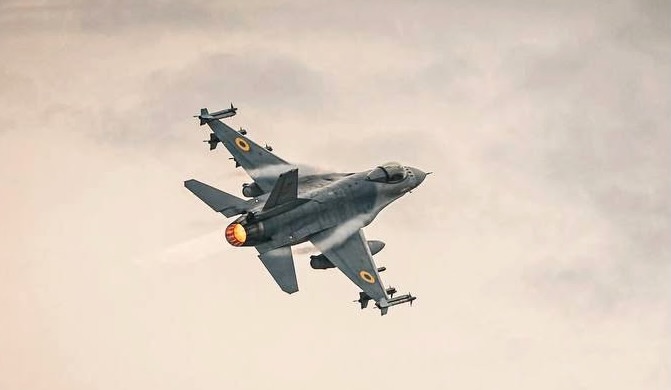
According to Ukrainian officials, the F-16 fleet has become a pivotal component of the country’s air defense, credited with roughly 4,700 shoot-downs of Russian drones since the war began. The pace of engagements has accelerated sharply; approximately 1,100 of these intercepts occurred in October alone. These figures, shared by a Ukrainian government spokesperson and confirmed by aviation journalists Gareth Jennings and Craig Hoyle who attended the Munich conference, highlight the central role Western-supplied fighters now play in protecting Ukrainian airspace.
The tactical reliance on the cannon is partly a workaround for scarcity. Ukraine’s F-16s are short of air-to-air missiles, leading pilots to save these expensive munitions for harder targets while using the gun for drones. The method is economically advantageous, as a 20mm round costs a fraction of a missile. However, it is a blunt instrument that requires pilots to close to relatively short range to engage small, moving targets. As Phantom noted, “The tactic is simple—just get in range and fire the cannon.”
This approach has produced notable individual feats. One Ukrainian pilot recently set a new single-sortie record by downing nine Russian drones using only the cannon, breaking his own previous record of eight set just days earlier. During the earlier mission, the pilot fired 400 rounds and returned to base with 100 to spare; in the record-breaking flight, he destroyed nine drones and landed with 80 rounds remaining. The 107th Wing, part of Ukraine’s broader effort to remake its air force on a NATO model by 2035, cited these actions as evidence of the platform’s effectiveness, even in its older configurations.
Despite the high kill count, the operational environment presents significant technical and logistical constraints. Ukraine operates older F-16AM/BM Mid-Life Update aircraft donated by European countries. These jets lack the modern APG-83 active electronically scanned array radars that would detect one-way attack drones more effectively, as well as advanced datalinks and modern electronic warfare equipment. Consequently, pilots must rely on visual or older radar detection methods, increasing the risk and difficulty of interception.
Maintenance and sustainment remain critical challenges for the fleet. Ukrainian President Volodymyr Zelenskyy has stated that roughly half of the country’s F-16s are spending time undergoing maintenance and repairs in Europe at any given moment. Denys Sienik, the Ukrainian Chargé d’Affaires to the United States, confirmed that “we have grounded aircraft” and that the government is actively seeking spare parts to keep the jets flying. This chronic need for support limits the number of aircraft available for daily operations, despite the high demand for air defense.
The use of the cannon also carries inherent risks. While effective against drones, 20mm rounds behave like grenades when they fall to the ground, posing a danger to civilians in the area below. Additionally, the method depends on a steady supply of ammunition that Ukraine does not produce itself. Allies have stepped in to fill this gap, with Denmark supplying more than 50,000 rounds of 20mm ammunition, and Spain, Belgium, and Poland also providing supplies. A larger package of ammunition is expected from partner nations.
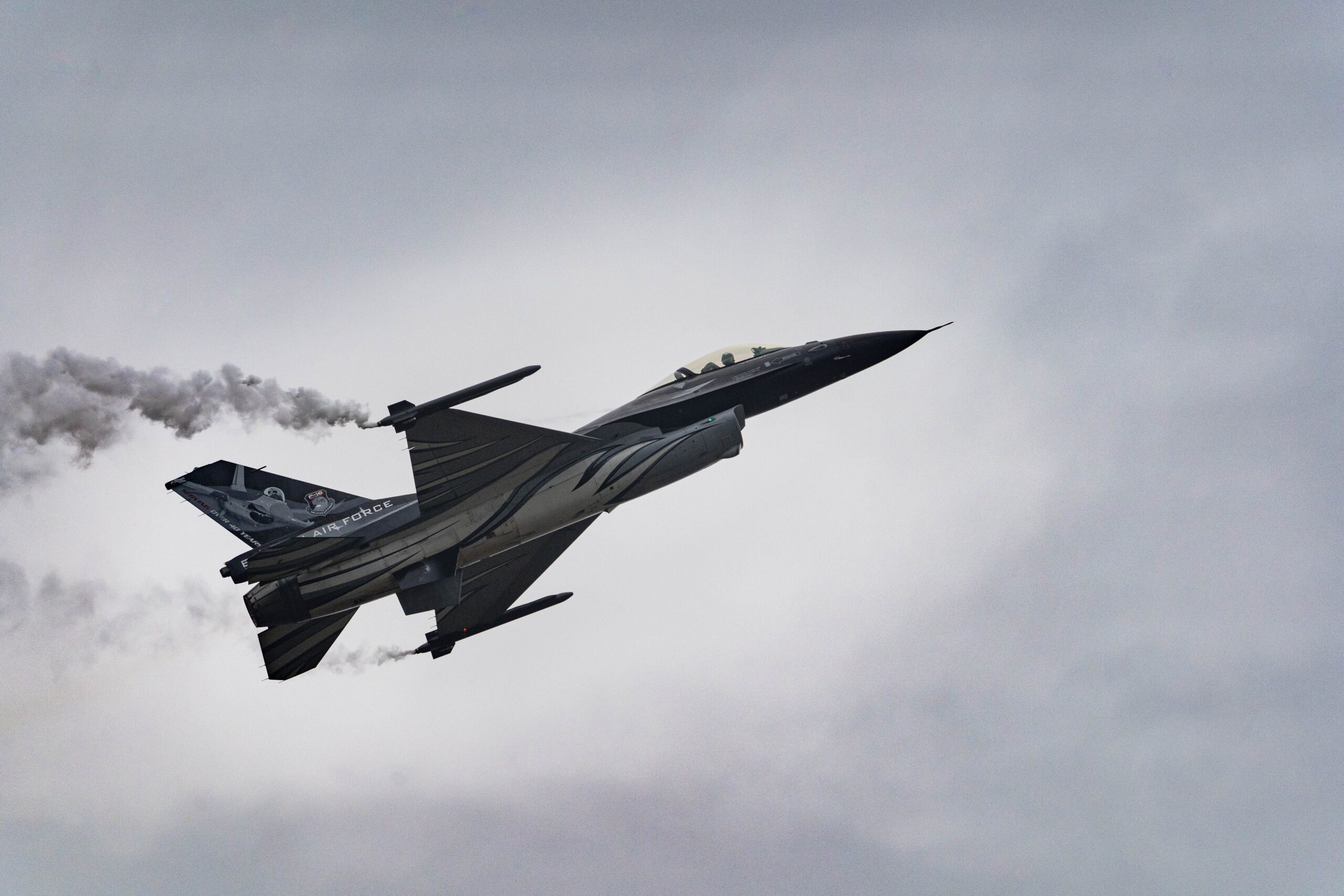
Strategic discussions at the conference also touched on fleet composition. Phantom cautioned against introducing too many different aircraft types, such as French-made Rafale fighters, due to the additional demands of operating and maintaining diverse platforms. He proposed limiting the air force to no more than two aircraft types, prioritizing the F-16 for its proven track record and logistical familiarity. The goal is to balance the urgent need for air defense with the long-term sustainability of the force.
As Russia continues to use jet-powered drones and cruise missiles to test Ukrainian air defenses, the F-16 unit’s ability to sustain high sortie rates will be crucial. The next confirmed development will hinge on the arrival of additional spare parts and ammunition, as well as potential upgrades to radar systems, which Ukrainian officials argue are necessary to maintain the effectiveness of this vital defensive layer.