The request from Washington comes against a backdrop of heightened regional instability. Hussein indicated that current conditions in the Middle East suggest the possibility of war resuming, a sentiment that reflects the underlying anxiety in Baghdad. While the Iraqi government has conveyed to Tehran that it remains open to friendship and alliance, it has firmly stated that it will not accept interference in its internal affairs. This diplomatic balancing act places Iraq in a precarious position, caught between the strategic interests of the United States and the deep historical and sectarian ties it shares with Iran.
The economic stakes of this diplomatic tug-of-war are substantial. Hussein disclosed that Iraq suffered an estimated $60 billion in losses due to the halt in oil exports through the Strait of Hormuz. Although oil shipments have reportedly resumed following agreements reached between the United States and Iran, the financial scar from this disruption remains a critical factor in Baghdad’s calculations. The reliance on oil revenue makes Iraq particularly vulnerable to any geopolitical shifts that threaten the security of shipping lanes or the stability of its diplomatic environment. The restoration of these flows, however, does not eliminate the underlying tensions that Washington seeks to address through border restrictions.

Security concerns also play a pivotal role in this dynamic. Hussein highlighted that Iraq is actively engaged in military operations along its border with Syria to prevent the infiltration of ISIS members and to combat drug trafficking. To bolster these efforts, a four-party committee has been established involving Iraq, Syria, Jordan, and Turkey, focusing on the fight against terrorism. This multilateral approach underscores Baghdad’s emphasis on border security as a primary state priority. The presence of such a coordinated security framework suggests that Iraq is attempting to assert control over its periphery, a move that may complicate the U.S. request for border closures, as some crossings may be vital for intelligence sharing and joint security operations.
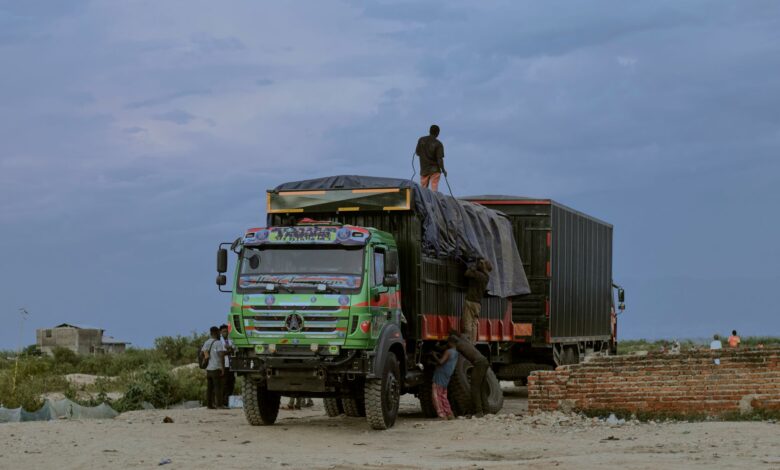
The U.S. request to close most border crossings appears to be driven by broader strategic objectives in the region, potentially aimed at curbing Iran’s influence or limiting illicit movements. However, for Iraq, these borders are not merely lines on a map but active conduits for trade, cultural exchange, and necessary security cooperation. The demand to reduce these points of access to just two locations could be seen by Baghdad as an infringement on its sovereignty and a hindrance to its ability to manage its relationships with neighbors. The official response from Iraq, emphasizing openness to alliance with Tehran while rejecting interference, signals a refusal to be drawn into a binary choice between Washington and Tehran.

As the situation evolves, the focus remains on how Baghdad will navigate this new diplomatic pressure. The closure of border crossings would have immediate logistical and economic implications, potentially affecting trade volumes and cross-border cooperation. Meanwhile, the resumption of oil exports provides a temporary economic reprieve, but the long-term stability of Iraq’s position depends on its ability to manage these competing demands. The involvement of regional powers like Turkey, Jordan, and Syria in the anti-ISIS committee further complicates the picture, as these nations also have their own interests in the region’s security architecture.
Ultimately, the request from Washington to close most Iran-Iraq border crossings represents a significant development in the broader Middle Eastern geopolitical landscape. It highlights the ongoing struggle for influence in the region and the delicate balance Iraq must maintain. The outcome of this diplomatic confrontation will likely shape the future of U.S.-Iraqi relations and Iraq’s role in the regional order, with potential ripple effects on security, trade, and stability across the Middle East.