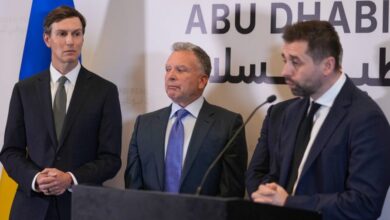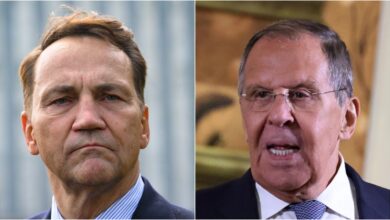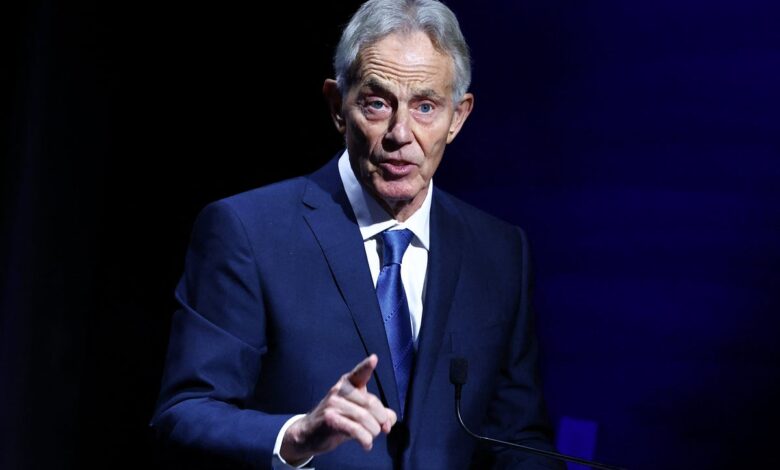
The significance of this meeting extends beyond a standard diplomatic courtesy. It illustrates the layered nature of the current diplomatic track, where former heads of state and security officials often play crucial behind-the-scenes roles in facilitating dialogue between warring parties. Blair’s involvement suggests a strategic focus on ensuring that the ceasefire holds, not merely as a pause in hostilities, but as a foundation for longer-term stability. The presence of such high-profile international figures signals to both regional and global stakeholders that the international community remains engaged and is actively monitoring the implementation of peace frameworks.
From a geopolitical perspective, the visit highlights the complex web of interests at play in the Gaza conflict. For Israel, engagement with figures like Blair and Eisenkot allows for the communication of security concerns and the articulation of red lines regarding the post-war situation. Eisenkot, known for his hardline stance on security matters, represents the domestic Israeli perspective that any ceasefire must be accompanied by tangible security guarantees and a reduction in the threat posed by militant groups. By meeting with him, Blair is likely seeking to understand and address these security imperatives, which are often the primary obstacles to a lasting peace.
For the international community, the visit reinforces the need for a coordinated approach to the crisis. The ceasefire in Gaza is not an isolated event but part of a broader regional dynamic involving multiple actors, including neighboring states and global powers. The diplomatic pressure involved in maintaining this ceasefire is immense, requiring constant mediation to prevent a relapse into violence. Blair’s role, therefore, is not just symbolic but operational, aiming to bridge gaps between disparate positions and encourage compliance with the terms of the agreement.
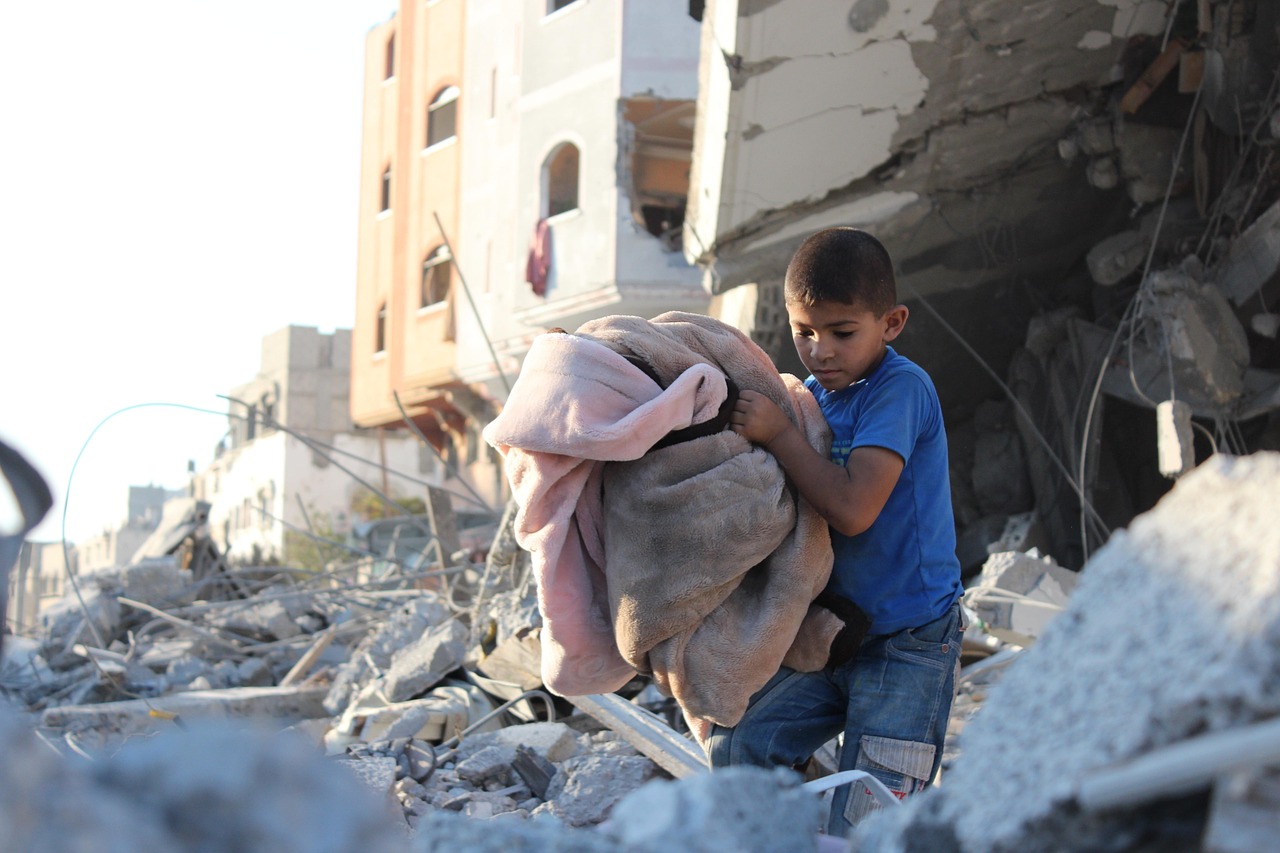
The historical context of the Gaza conflict adds weight to these diplomatic maneuvers. Decades of intermittent warfare and failed peace initiatives have created a deep sense of mistrust among the parties involved. In this environment, the involvement of trusted third parties is often seen as a necessary mechanism for building the minimal level of confidence required for negotiations to proceed. Blair’s previous experience in international diplomacy and his specific focus on Middle East peace initiatives make him a figure who can navigate these sensitivities, offering a channel of communication that may be less fraught with immediate political tensions than official state-to-state dialogue.
The immediate consequences of such visits are often subtle but cumulatively significant. They help to maintain the momentum of diplomatic engagement and keep the issue of Gaza at the forefront of international attention. This attention is crucial for securing the resources and political will needed for humanitarian aid and reconstruction efforts, which are vital for stabilizing the civilian population in Gaza. The longer-term implications depend on whether these diplomatic efforts can translate into concrete security arrangements and economic opportunities that address the root causes of the conflict.
However, the success of these efforts remains uncertain. The ceasefire is fragile, and the underlying political issues that led to the conflict remain unresolved. The visit by Blair and his meeting with Eisenkot highlight the ongoing challenge of aligning security concerns with humanitarian needs and political aspirations. While the presence of international mediators can help to de-escalate tensions, it cannot substitute for a comprehensive political solution. The diplomatic track thus continues to operate in parallel with the military and humanitarian realities on the ground, each influencing the other in a complex feedback loop.

The meeting between Blair and Eisenkot is a testament to the persistence of diplomatic channels even in the face of significant challenges. It reflects the understanding that a sustainable peace in Gaza requires not just the cessation of hostilities but also the active management of the aftermath. By engaging with key Israeli figures, Blair is working to ensure that the international community’s efforts are informed by a clear understanding of Israel’s security concerns. This approach is critical for building a framework that can withstand the pressures of the region’s volatile political environment.
As the ceasefire continues, the focus of the international community will likely remain on monitoring compliance and supporting reconstruction efforts. The visit by Blair serves as a reminder that the diplomatic work is far from over. The next steps will involve continued engagement with all parties involved, seeking to build on the temporary stability provided by the ceasefire and working towards a more durable solution. The unresolved tensions in the region ensure that such diplomatic activities will remain a central feature of the geopolitical landscape, with figures like Blair playing a pivotal role in navigating the path forward.
In conclusion, Tony Blair’s visit to Israel and his meeting with Gadi Eisenkot are significant developments in the ongoing efforts to stabilize the Gaza ceasefire. They highlight the complex interplay of security, diplomacy, and humanitarian concerns that define the region’s political dynamics. While the immediate outcome of such meetings may be difficult to quantify, their contribution to maintaining a diplomatic channel and fostering a deeper understanding of the parties’ positions is invaluable. The path to lasting peace in Gaza remains fraught with challenges, but the continued engagement of international mediators offers a glimmer of hope for a more stable future.