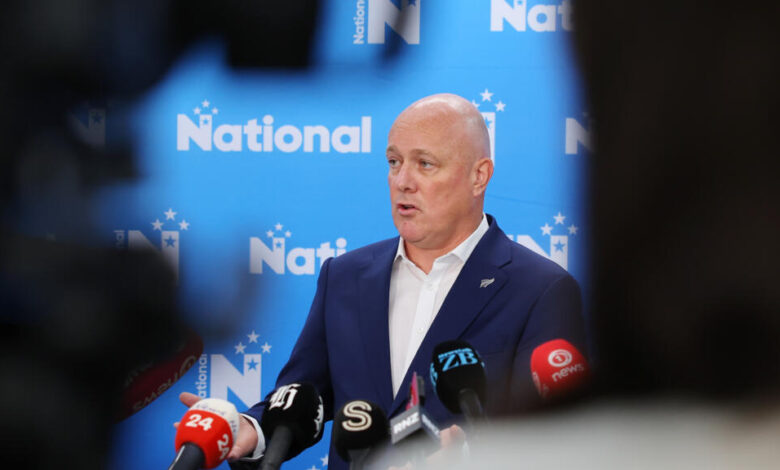
Luxon declared on Sunday that his National Party had secured a mandate to form the next government, citing the win of 42 seats as the largest bloc in parliament. “New Zealanders have given us the biggest seats in parliament… and a pathway to form a government,” Luxon told journalists. He noted that the economic context, including the war in the Middle East and global fuel shocks, made the result a strong performance. However, he conceded that the margin was too narrow to call definitively and acknowledged the likelihood of cross-party collaboration.
Opposition Labour Party leader Chris Hipkins responded with a more cautious tone, joking that while New Zealanders had spoken, “it may take us a little bit longer to figure out exactly what it is that you’ve said.” The left-wing grouping, comprising Labour, the Green Party, and Te Pati Maori, faces a narrow path to power. Under New Zealand’s mixed-member proportional representation system, voters select both a party and an electorate member, a complexity that often delays final government formation.
According to the electoral commission, with 100 percent of the preliminary count completed, the seat distribution stands as follows: National Party with 42 seats, Labour with 36, the Green Party with 16, ACT with 13, NZ First with 12, and Te Pati Maori with five. The upstart centrist Opportunity Party won seven seats, a significant gain that could grant the party a kingmaker role. Luxon stated it was “unlikely” he would need the Opportunity Party to form a government but expressed willingness to work with its leader, Qiulae Wong, on shared issues.
The final tally is not expected until November 27, when nearly 400,000 “special votes” are counted. These include approximately 100,000 ballots cast by overseas citizens and residents outside their local electorates. Historically, these votes have leaned toward the left, potentially adding one or two seats to the Labour or Green parties at the expense of the right-wing bloc. Luxon will continue to run a caretaker government until the final results are announced.
Public sentiment ahead of the vote was dominated by economic hardship. With unemployment at its highest level in over a decade and basic goods prices remaining elevated, voters in Wellington expressed frustration to AFP correspondents. Rahul Jain, a 33-year-old support worker, stated his hope was for the next government to “bring the cost of living down.” Mary Scott, a lending operations representative, called for fair policies that would ensure the wealthy contribute more to the national economy.