

The confirmation of North Korean missile usage marks a significant development in the conflict, underscoring the deepening military integration between Moscow and Pyongyang. While Russia began deploying KN-23 missiles against Ukrainian targets in early 2024, early launches were noted for their inaccuracy. However, Ukrainian officials have indicated that the weapons have become more precise, likely due to adjustments made by designers using data from combat experience. This evolution transforms the KN-23 from an inefficient weapon into a potent threat that directly challenges the efficacy of existing air defense architectures.
The technical profile of the KN-23, known in North Korea as the Hwasong-11A, presents specific challenges for defenders. Unlike traditional ballistic missiles that follow a high, predictable arc, the KN-23 is a solid-fuel missile designed to fly a low, flattened trajectory and maneuver during flight. This maneuverability makes it significantly harder to track and intercept than standard ballistic threats. Ukraine’s Defense Ministry has described the platform as extremely difficult for air defense systems to counter, a limitation that was starkly illustrated by the low interception rate during the overnight attack.
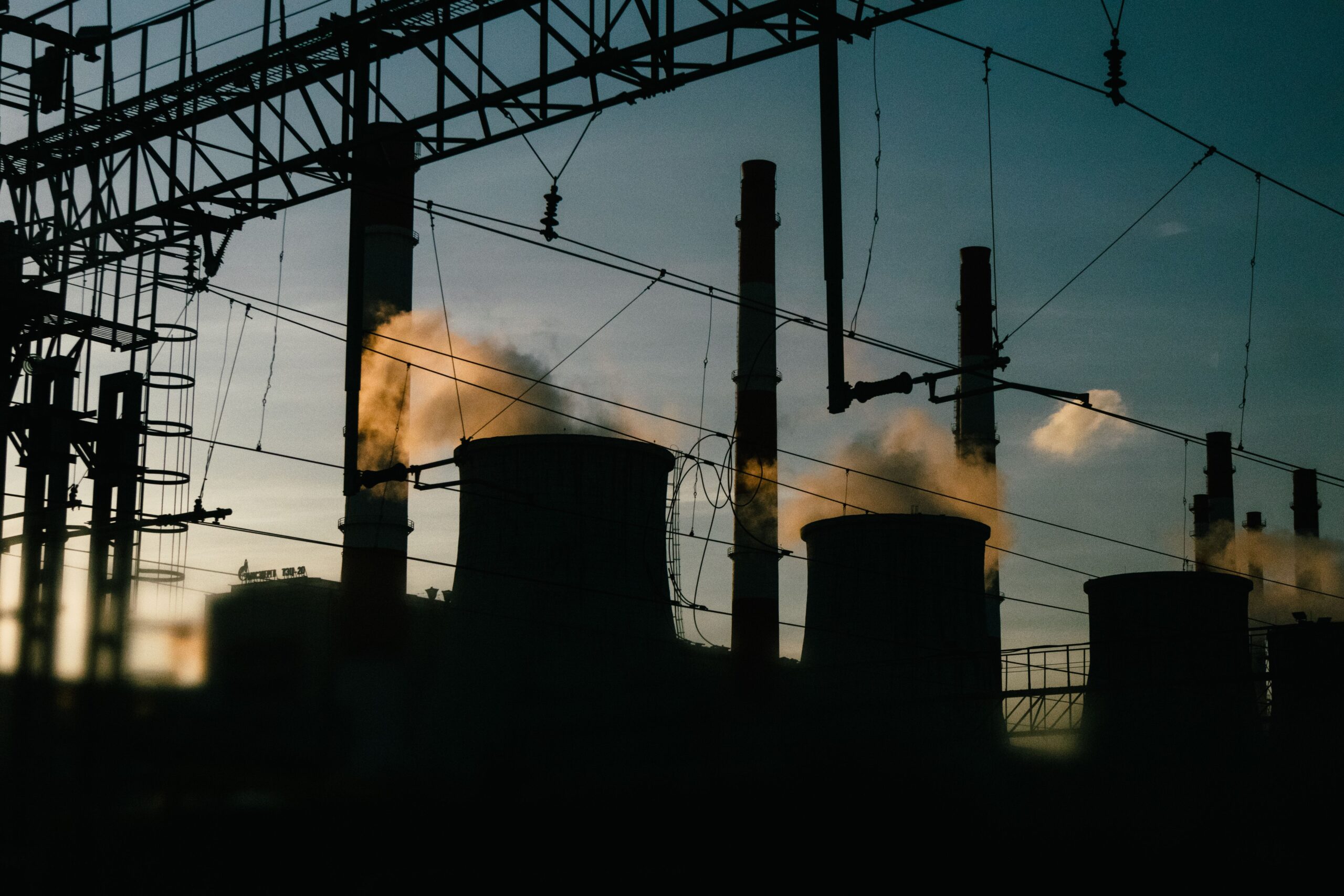
The immediate operational consequence of this strike was severe. All 36 missiles were aimed at Kyiv and the surrounding region, specifically targeting substations that connect the Rivne and Khmelnytskyi nuclear power plants to Kyiv and central Ukraine. According to local authorities and the mayor, Vitali Klitschko, the capital’s energy supply situation has become extremely difficult, with major disruptions to heating and water supply. The impact was not limited to the capital; substations in the Vinnytsia, Zhytomyr, Rivne, Kharkiv, and Dnipropetrovsk oblasts were also damaged. In total, 12 regions outside Kyiv came under attack. The human cost was documented, with at least six people injured in the Kyiv region, including a child, and a kindergarten partially destroyed. Across the affected areas, a total of nine people were reported injured.
The attack also involved a large-scale drone component, with Russia launching 172 drones alongside the ballistic missiles. This combined saturation attack strains air defense resources, forcing operators to allocate interceptors between numerous, slower-moving drones and fewer, faster, and more difficult ballistic threats. The result, as highlighted by Zelenskyy, is an acute deficit of surface-to-air interceptors, particularly for the U.S.-made Patriot systems, which are the primary Ukrainian defense against ballistic missiles.
Zelenskyy explicitly linked this defensive shortfall to the broader geopolitical context, urging Washington to expedite missile deliveries. He noted that overcoming the shortage depends primarily on the United States, especially ahead of the winter season when demand for energy and defense readiness peaks. The timing of the strike is also viewed through a diplomatic lens. Zelenskyy stated that Moscow approaches diplomacy “as a sub-species of aggression,” using intensified strikes to exert leverage over Kyiv and Western partners. He specifically cited planned trilateral negotiations in Abu Dhabi scheduled for November 10-11, suggesting that Russia is attempting to “prepare the ground” to pressure the Ukrainian position through kinetic means.
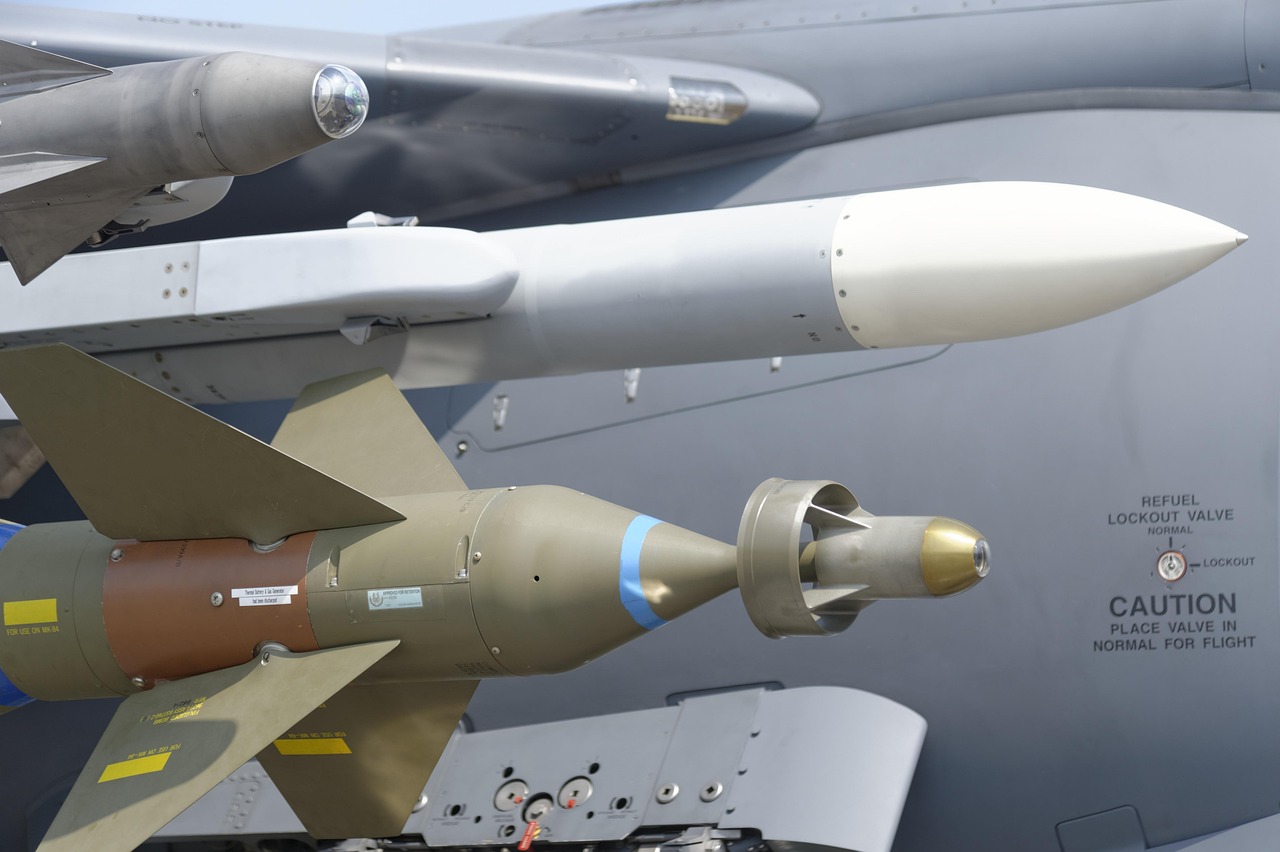
The use of these missiles also has implications for global sanctions regimes. Zelenskyy called for tangible reinforcement of sanctions against entities that provide military hardware to Russia, describing the supply of such weapons as providing “services in destroying life.” North Korea has supplied Russia with ballistic missiles, artillery shells, and troops since 2023, and shipments have continued, with recent reports indicating a resumption of ballistic missile transfers after a pause. The confirmed use of these systems in high-stakes attacks on civilian infrastructure underscores the practical consequences of this supply chain.
As repair crews work to restore power to the damaged substations, the focus for Kyiv’s military leadership remains on closing the interception gap. The low success rate against ballistic missiles highlights a critical vulnerability in Ukraine’s air defense network. While the forensic data provides clarity on the enemy’s capabilities, the strategic response relies on the speed and scale of allied support. The next confirmed development in this sequence is the upcoming diplomatic engagement in Abu Dhabi, where the balance of military pressure and political negotiation will be tested against the backdrop of a winter that demands both energy security and robust air defense coverage.




One Comment