

The central development driving this crisis is the sustained use of Russian glide bombs and First-Person-View (FPV) drones against civilian infrastructure and population centers. On November 2, nine Russian glide bombs struck the town of Komyshuvakha, killing at least 50 people according to initial reports from Ukraine’s Emergency Service. By Friday, acting regional governor Mykhailo Semikin confirmed the death toll had risen to 53, noting that search and rescue operations had entered their fifth day under difficult conditions and the constant threat of repeat strikes. Many of the victims had gathered at a local school to receive humanitarian aid, highlighting the vulnerability of civilian logistics hubs to precision-guided munitions.
The tactical significance of these attacks lies in the evolution of Russian air power, which has demonstrated that an army no longer requires a significant ground presence to inflict severe damage on rear areas. The arrival of FPV drones overhead has become a documented indicator of the Russian infantry’s gradual advance, with footage showing these low-cost, jet-powered or electric drones deliberately targeting vehicles and civilians in cities such as Kherson, Kramatorsk, and Sloviansk. In Zaporizhzhia, the threat is not limited to small drones; earlier in the week, Russian “Banderol” missiles—a type of low-cost, jet-powered cruise missile—struck a shopping mall and the main bridge into the city. An FPV drone also hit a city bus, underscoring the multi-layered nature of the aerial threat that spans from strategic infrastructure to street-level mobility.
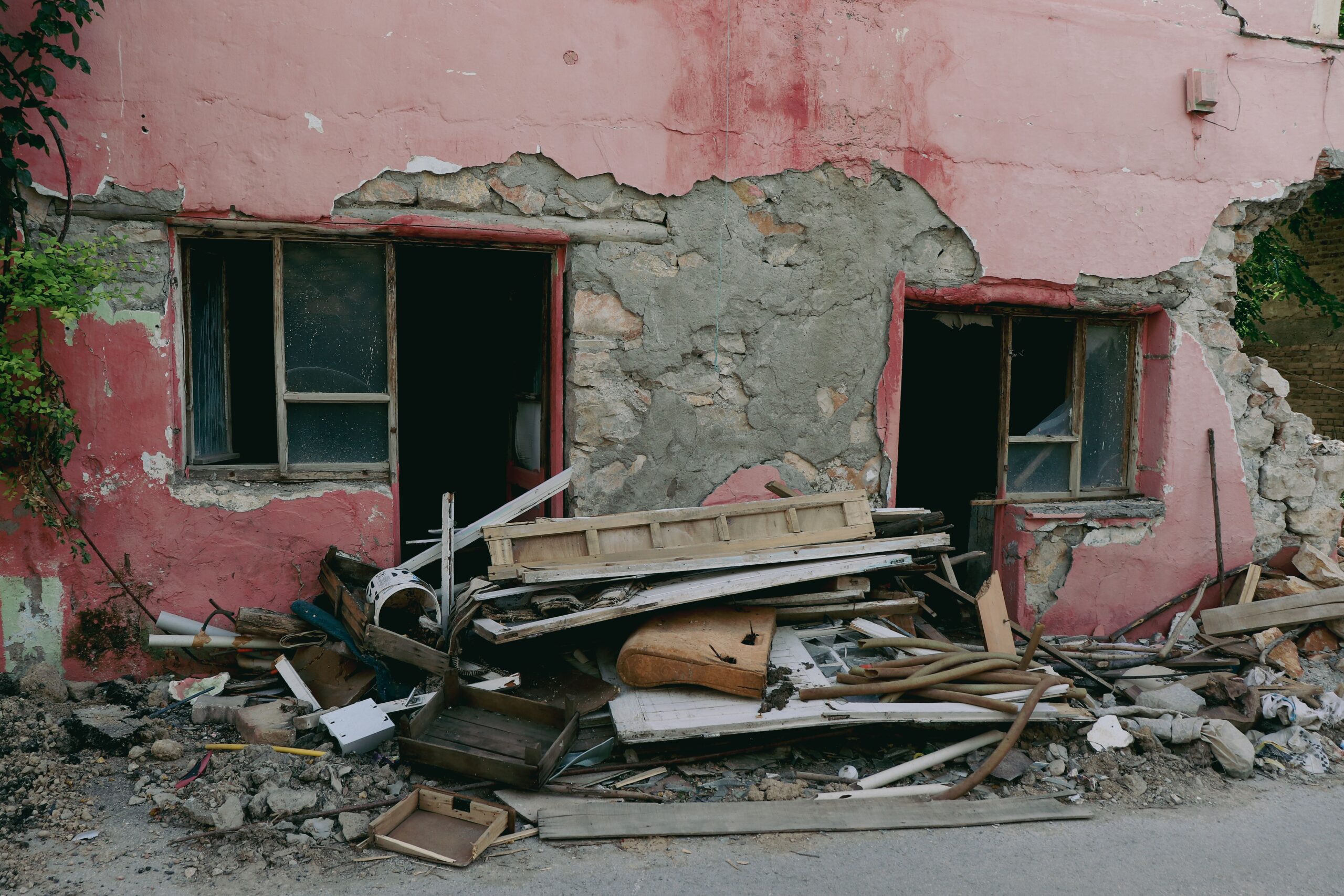
Military analysts note that the use of glide bombs, which are unguided aerial bombs fitted with steerable wings to extend their range, allows Russian aircraft to remain outside the effective range of many short-range air defense systems. This capability, combined with the saturation attack tactics using large numbers of FPV drones, places immense pressure on Ukrainian air defense resources. The limitations of current countermeasures are evident in the physical landscape of Zaporizhzhia, where boarded-up windows and bombed-out buildings persist despite mitigation efforts. The city administration has installed anti-drone netting over streets and civilian infrastructure in the Cosmos neighborhood, and drone jammers have been placed on the roofs of city buses. However, these measures are reactive and insufficient to prevent high-altitude glide bomb strikes or coordinated salvos of cruise missiles.
The logistical and political consequences of this escalation are profound. Zaporizhzhia has hosted refugees from cities like Mariupol and Melitopol since the war began. Now, with the security situation deteriorating, these IDPs face the prospect of secondary displacement. Denys Knysh, a regional military administration official, stated that authorities are preparing to relocate shelters to other neighborhoods if the situation worsens. The complexity of this evacuation is compounded by the fact that many residents are elderly, have limited mobility, or lack the necessary documentation to move. Knysh noted that calculating the remaining population is difficult, as people leave daily, causing official demographic data to diverge significantly from reality.
Simultaneously, the broader strategic context involves ongoing diplomatic efforts to end the conflict. While Russian attacks continue, U.S. First Lady Melania Trump hosted a meeting at the White House with Russian and Ukrainian officials to mark a six-day ceasefire in the Russian-controlled town of Oleshky, where nearly 800 people were escorted to safety. Kremlin spokesperson Dmitry Peskov described the meeting as positive, and Ukrainian President Volodymyr Zelenskyy awarded Trump the Order of Princess Olga, 1st class, for her humanitarian contributions. However, these diplomatic pauses have not halted the broader military campaign. U.S. President Donald Trump has stated that the war is close to being settled and that any agreement might involve all of Europe, while Moscow continues to push for terms including full control of the Donbas region and a ban on Ukrainian NATO membership—conditions Kyiv rejects.
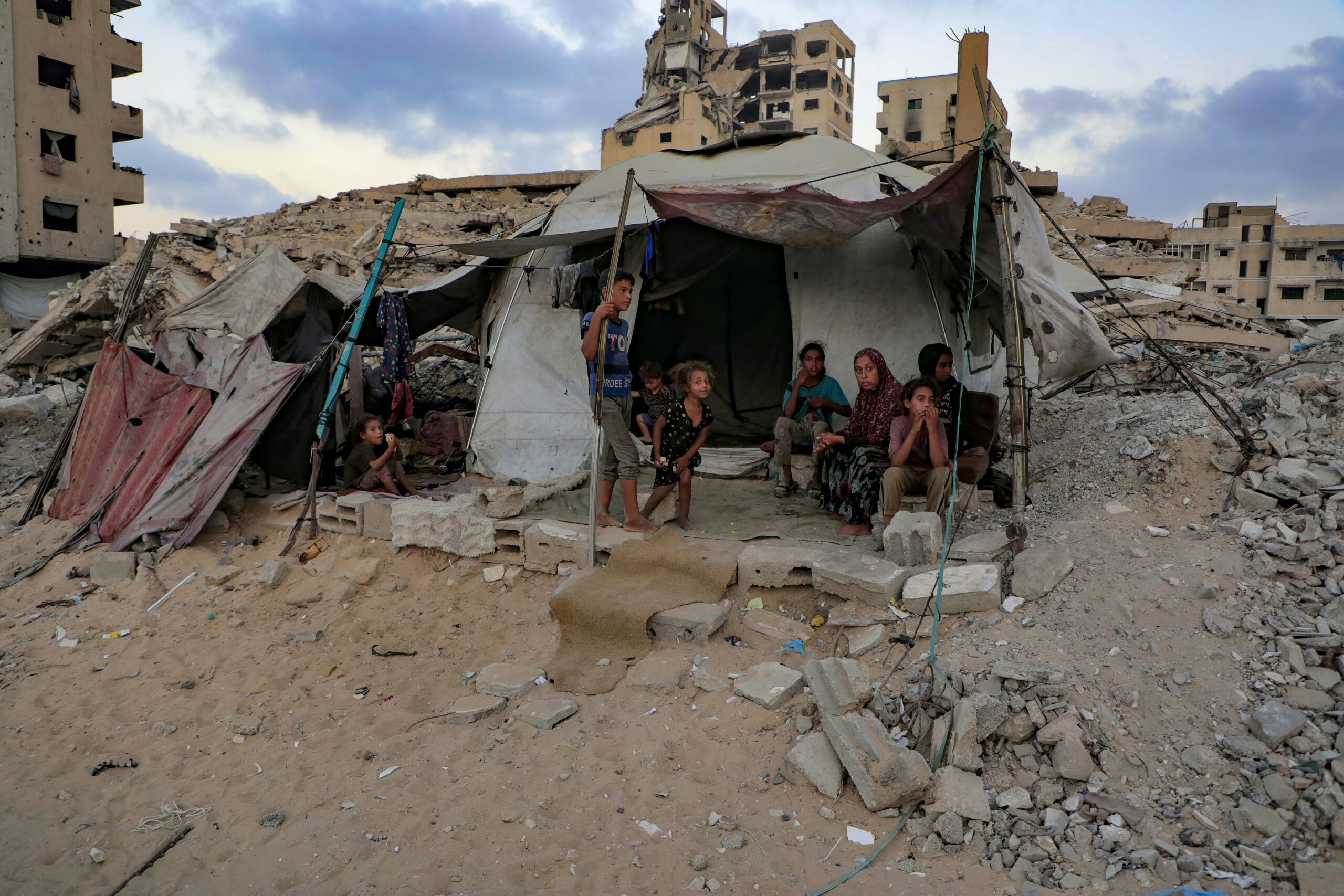
The immediate military objective of the Russian strikes appears to be the degradation of Ukrainian civilian resilience and the disruption of humanitarian supply lines, as evidenced by the targeting of aid distribution points and energy infrastructure. Russian attacks on energy facilities caused power outages in seven regions, including Zaporizhzhia, Kyiv, and Kharkiv, with Deputy Energy Minister Artem Nekrasov noting that the situation remains most difficult in the capital region due to heavy damage. The Russian Defense Ministry admitted to striking an energy storage battery facility in the Kyiv region and a cargo vessel in the port of Odesa, claiming both had military purposes.
As search and rescue teams continue their work in Komyshuvakha, the human cost of the conflict remains high. Alina, a flower shop worker in Zaporizhzhia who operates beneath protective drone netting, expressed her reluctance to leave despite the daily threat of drones flying overhead. “Of course I may have to leave, but I don’t want to,” she said. The transition to a more dangerous reality in Zaporizhzhia is gradual but unmistakable, marked by the presence of drone detectors in the hands of children and the gaping holes in bridges that once connected the city. The next confirmed development will likely be determined by the outcome of the upcoming talks in Abu Dhabi, where U.S., Ukrainian, and Russian officials are set to convene as the war nears its five-year mark.