
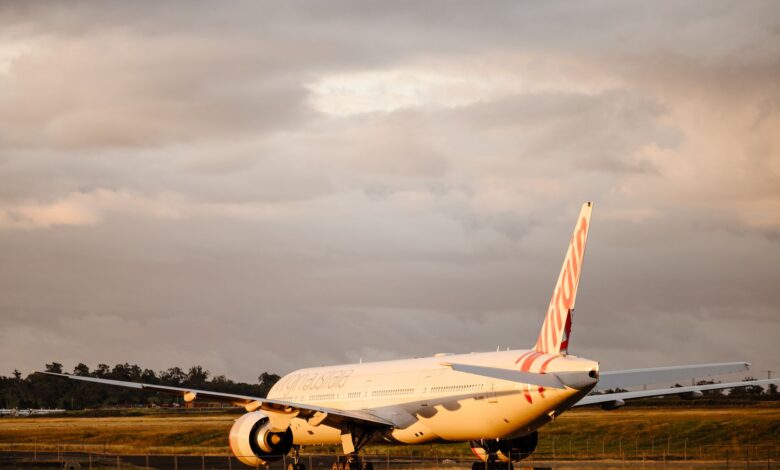
The introduction of this direct link represents a major practical change for travelers and logistics, significantly reducing total travel time and the complexity of itineraries. By removing the necessity for connecting flights, the route aims to streamline cross-Pacific travel for both business and leisure passengers, addressing a gap in the current global network of ultra-long-haul direct services.
While specific aircraft models, airline operators, and pricing structures have not been detailed in the current source material, the technical feasibility of such a route generally relies on next-generation wide-body aircraft capable of extended range with full passenger and cargo loads. The 2028 timeline suggests that the necessary regulatory approvals, airport slot allocations, and fleet preparations are in the final stages of planning.
Background on trans-Pacific aviation indicates that direct routes between the US West Coast and Australia have been established for decades, but connections from the US East Coast have typically involved a stopover. The expansion of nonstop service to the East Coast aligns with broader trends in aviation technology that prioritize efficiency and reduced transit times over ultra-long distances. This development is part of a wider push by aviation industry stakeholders to enhance connectivity between major economic hubs in North America and the Asia-Pacific region.
The scheduled start date for these flights is 2028. No further specific milestones, patch deadlines, or regulatory steps beyond the initial launch window are provided in the source material. The availability details remain limited to the general timeline, with no confirmed pricing or specific operational limitations disclosed at this stage.