
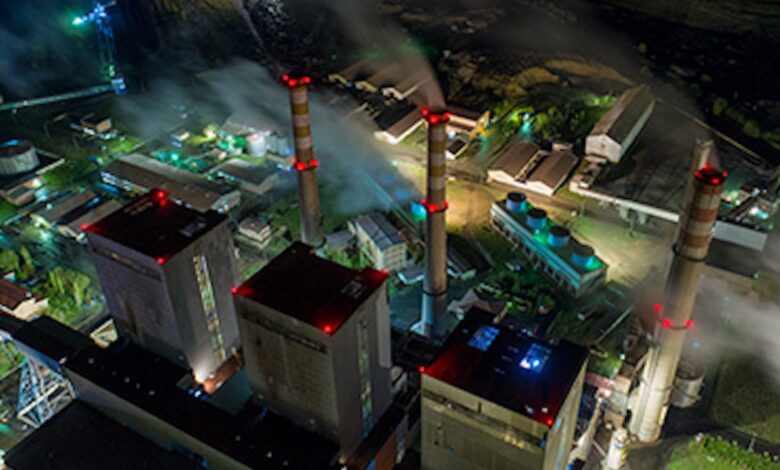
The disruption at Kangal, which has an installed capacity of 457 MW and generates approximately 2,166 GWh annually, is compounded by the depletion of its primary Kalburçayır coal reserve. Production has shifted to the Hamal sector, where coal quality has declined with a lower heating value (LHV) dropping below 1,000 kcal/kg. This decline has forced the plant to operate at capacities below 130 MW, despite maintaining an availability rate above 85%. The plant is owned by Konya Şeker Sanayi ve Ticaret A.Ş. and employs approximately 400 personnel. Without new reserves coming online within the next decade, the facility is expected to reach the end of its economic life.
Financial discipline remains a central issue for both facilities. At Kangal, resuming operations requires the settlement of the mining contractor’s debts, repair of technical equipment, and provision of working capital. The plant also faces scrutiny over its environmental compliance, as only Unit 3 is equipped with a flue gas desulfurization (FGD) system. While negotiations are ongoing with a Chinese company for potential upgrades, no new investments in this area are currently planned. Critics note that past filtration gaps raised public health concerns, prompting management pledges to increase environmental spending.
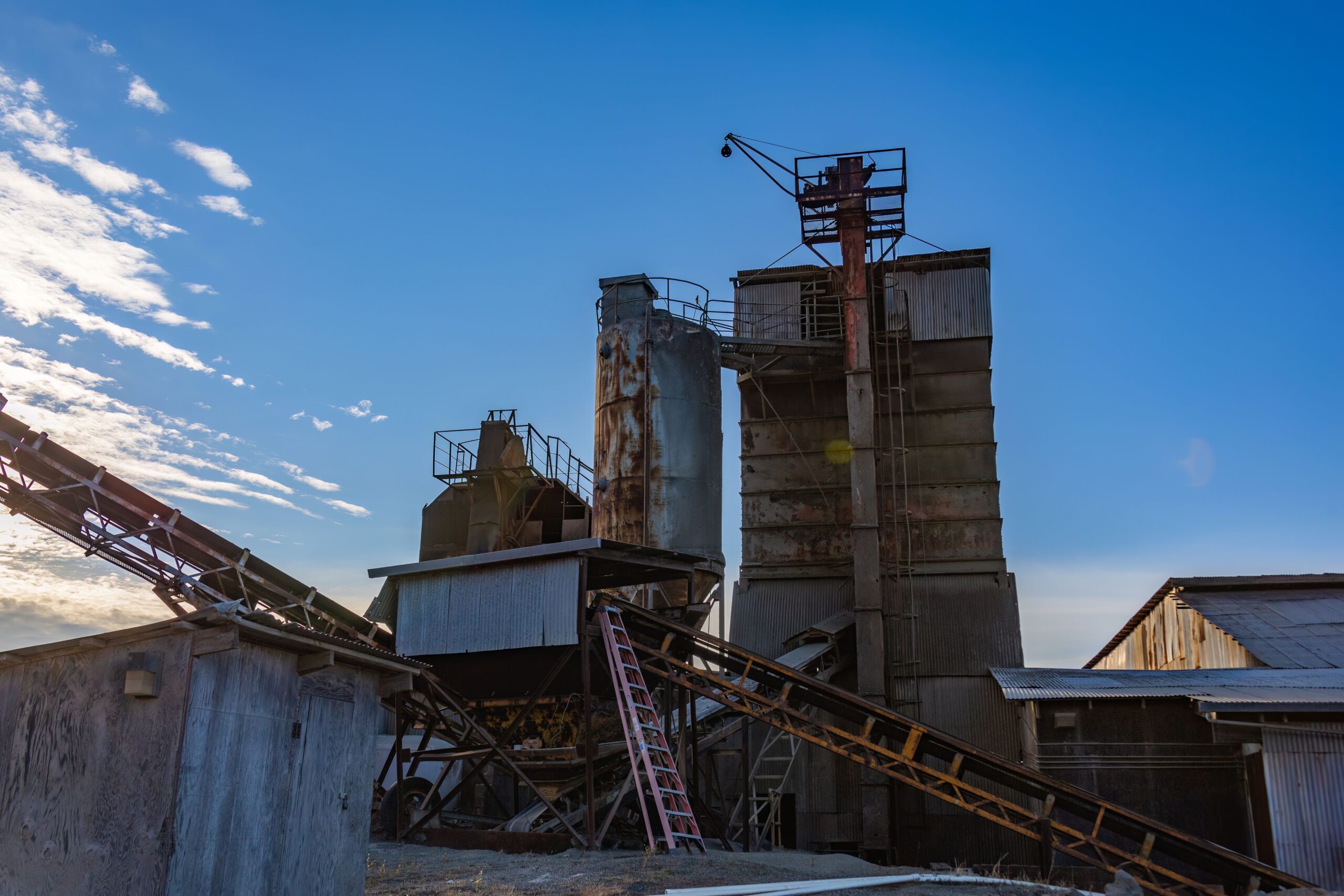
Environmental challenges extend beyond these two sites. The Right to Clean Air Platform reported that six coal-fired plants, including facilities in Afşin, Çatalağzı, Seyitömer, and Soma, resumed operations between January and June after a suspension for violating environmental legislation. Despite agreements to install compliant filters, residents reported continued thick smoke emissions. Attorney Deniz Bayram of the platform stated that these plants reopened with temporary licenses before environmental investments were completed. The plants include the Afşin A, Seyitömer, Tunçbilek, Kangal, Çatalağzı, and Soma facilities, which were suspended or partially closed by the Ministry of Environment and Urbanism in January due to regulatory violations.
Technical experts warn that the current filtration infrastructure is inadequate for Turkey’s coal profile. Orhan Aytaş of the Chamber of Mechanical Engineers noted that dry cooling systems installed at some sites are ineffective due to high sulphur content in domestic coal, potentially increasing dust emissions. He stated that constructing efficient “wet washing with limestone” facilities requires approximately three years, making the government’s one-year timeline for upgrades unrealistic. Locals in Maraş province reported that air pollution levels in Seyitömer and Tunçbilek were measured at three times the World Health Organization’s limit values in July.
The broader context involves the privatization of 15 state-owned thermal power plants in 2013 under Law No. 6446. These operators were required to complete environmental investments, such as chimney gas purification systems, by the end of 2019. Although the Constitutional Court annulled the initial provisional article in 2014, subsequent amendments extended the deadline. A bill to extend the deadline further to 2022 is currently on the parliamentary agenda, following the rejection of previous extension proposals. Greenpeace and local residents have formally requested the closure of these plants, citing the failure to make mandatory environmental investments and the continued payment of state incentives to the operators.
For the Kangal and Soma plants, the immediate priority is establishing a financially sustainable operating model. This includes securing long-term coal supply agreements, managing debt restructuring, and ensuring maintenance investments are not postponed. The cases illustrate that energy security in Turkey depends not only on the existence of domestic resources but also on the efficient, financially disciplined, and environmentally responsible operation of the associated mining, transportation, and generation infrastructure.



One Comment