
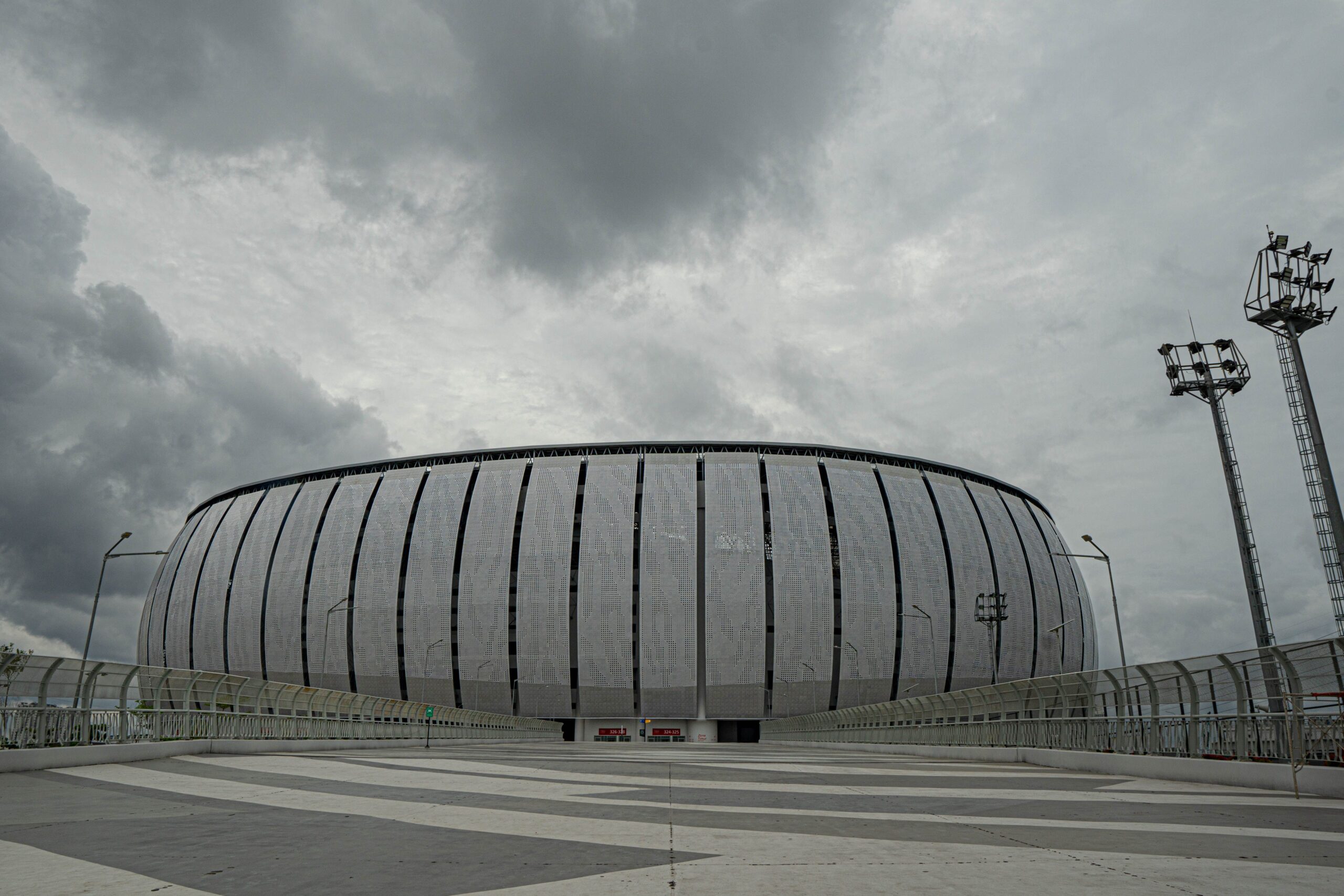
This incident marks a rare disruption in the logistics of the K-pop group’s 20th-anniversary tour, which has spanned 19 cities with 39 scheduled shows since its inception in August at Goyang Stadium. While the first show on November 7 proceeded despite rain, the conditions on the 8th proved too hazardous to continue. The cancellation was not a result of poor planning but a direct response to an acute environmental threat, a reality that large-scale entertainment operators must navigate when performing in outdoor or semi-outdoor venues during unpredictable weather seasons.
The economic and administrative response to the cancellation was immediate and comprehensive. Organizers, operating through the twoTicketMajor portal, confirmed that they would refund 100% of the ticket price to all purchasers. Crucially, the organizers also committed to covering all booking fees and payment gateway charges, ensuring that fans did not incur additional financial losses beyond the cost of the event itself. This full-refund policy serves as a standard consumer protection measure in the live entertainment industry, where weather-related cancellations can otherwise lead to significant disputes over partial refunds and administrative fees.
Big Bang’s management released an official statement acknowledging the “storm accompanied by severe thunderstorms” as the cause for the inevitable cancellation. “The safety and health of everyone are the most important,” the statement read, urging fans to stay indoors or find shelter from the wind and rain. The group’s eldest member, G-Dragon, took to social media to address the disappointed fanbase directly. “You’ve all been waiting a long time, and we’re incredibly regretful and saddened,” he posted. “Everyone’s safety comes first, so we’ll definitely see each other again.” This personal outreach was part of a broader effort to maintain goodwill with fans who had traveled to Bangkok, many having waited years for the group’s return to the stage together.
The broader context of the tour underscores the scale of the operation. Having successfully completed legs in the Americas and Europe, Big Bang recently made history as the first K-pop group to hold a solo concert at Sydney’s Accor Stadium. The tour represents a significant commercial undertaking, with the group reuniting as G-Dragon, Taeyang, and Daesung for this anniversary celebration. The cancellation in Bangkok, however, introduces a variable into the tour’s schedule. While the group is scheduled to hold four performances in Hong Kong on November 13, 14, 15, and 17, the Bangkok cancellation remains a distinct event in the tour’s itinerary.
From a risk management perspective, the incident highlights the fragility of large-scale live events in the face of climate volatility. The decision to stop the show, even after the members had already begun performing in the rain, demonstrates a prioritization of physical safety over contractual completion or revenue. The members themselves explained on stage, “We really wanted to have a great time meeting our Thai fans after a long time. We said we would perform no matter how heavy the rain was, but the situation was really too dangerous.” This shift from persistence to cessation was driven by the visible intensity of the weather, which videos of the event, widely shared across social media, captured in real-time.

For the local market in Thailand, the cancellation affects not only the ticket holders but also the ancillary services that typically support such events, from local transport to hospitality. However, the immediate impact is concentrated on the direct purchasers who have been guaranteed full financial restitution. The transparency of the refund process, clearly outlined on the ticketing platform, aims to mitigate any secondary economic friction or consumer trust issues. The event serves as a case study in how modern entertainment companies manage reputational risk during force majeure events, combining rapid operational halts with clear financial accountability and direct communication from the artists.
As the tour moves forward to Hong Kong, the primary focus for stakeholders shifts to ensuring that the remaining shows proceed without similar disruptions. The near-term outlook is defined by the execution of the refund logistics and the group’s ability to maintain momentum in their next stops. For the fans in Bangkok, the immediate resolution is the return of their funds, but the longer-term implication is the confirmation that the group’s commitment to their audience extends beyond the performance itself to the protection of their well-being. The next critical data point for observers will be the ticket sales and logistical preparations for the Hong Kong dates, which will indicate whether the disruption in Bangkok has had any measurable effect on the broader tour’s engagement levels.