In a statement to CNN, President Trump emphasized that the decision to strike depends on whether Tehran signs a “very strong agreement” regarding its nuclear program and maritime access through the Strait of Hormuz. “The answer is highly unlikely it’s going to be necessary,” Trump stated, while adding that U.S. forces are “fully locked and loaded” and capable of resuming strikes if deemed necessary. He claimed that U.S. strikes during the initial phase of the conflict in February 2026 had severely degraded Iran’s military capacity, asserting that the Iranian government retains only roughly 10% of its missile capacity and 15% of its drone capabilities.
However, the Iranian response to the new logistical campaign has been one of defiance rather than capitulation. A spokesperson for the Revolutionary Guard Corps (IRGC), speaking to the semi-official Fars News Agency, dismissed the “Iron Gate” plan as “merely a wordplay.” The spokesman stated that Tehran has made necessary preparations and maintains close communications with its neighbors, arguing that the U.S. cannot achieve its objective of causing economic collapse through this specific approach. This statement highlights a significant divergence in strategic assessment: Washington views the disruption of ground transport as a critical lever for enforcement, while Tehran appears to have pre-positioned alternative logistical channels or domestic production capacities to mitigate such pressure.
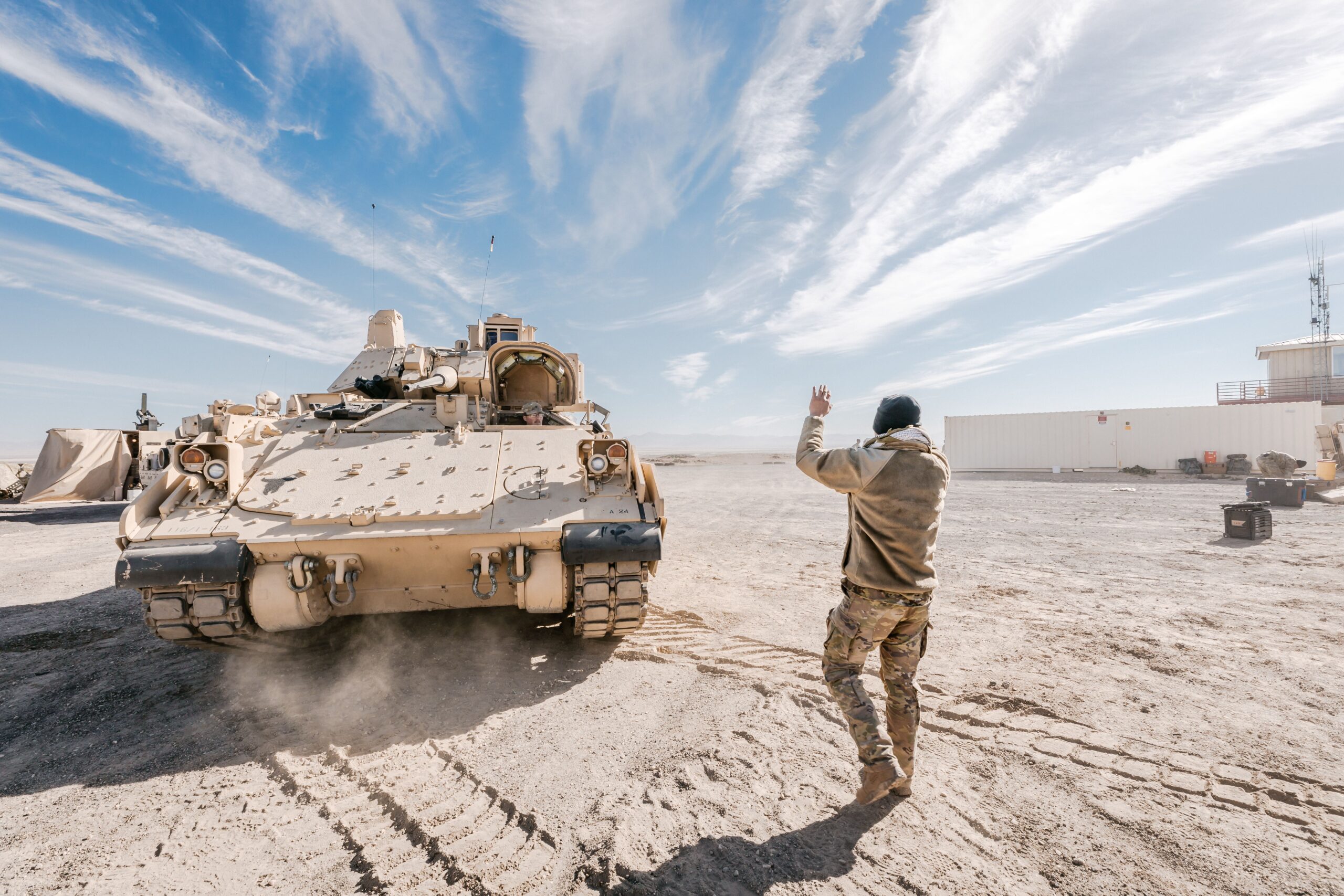
The military buildup is not occurring in a vacuum but within a context of ongoing, low-level friction across the region. Israel’s Defense Minister, Israel Katz, warned on Sunday that the “mission is not complete” regarding Iran, citing Tehran’s continued efforts to obtain nuclear weapons. Katz also issued a direct warning to Hezbollah in Lebanon, stating that if the group joins Iran in retaliating against Israel, it will suffer “extremely severe blows.” These statements align with Israeli Prime Minister Benjamin Netanyahu’s previous indications that he seeks to resume attacks on Iran, although a recent phone call between Netanyahu and Trump was described as “constructive,” with Trump urging the implementation of his Gaza peace plan.
Simultaneously, the Saudi-led coalition reported intercepting two ballistic missiles and two cruise missiles targeting Riyadh and other regions early Sunday. The coalition attributed the launches to the Houthi movement in Yemen. Witnesses in the Saudi capital described a loud explosion and reported damage across multiple floors of an Aramco building in the King Abdullah Financial District. While the Saudi Energy Ministry stated there were no casualties and characterized the damage as “minor” from falling shrapnel, the incident underscores the vulnerability of critical energy infrastructure to Houthi ballistic and cruise missile systems, even as larger-scale state-on-state conflict is paused.
President Trump also detailed specific operational capabilities, noting that U.S. forces have identified 38 Iranian bridges that could be destroyed “in literally one hour.” However, he expressed a strategic reluctance to strike these civilian logistics networks, arguing that rebuilding them would take a decade. This comment reveals a tactical dilemma for U.S. planners: the ability to deliver precise, high-impact strikes on infrastructure versus the long-term economic and humanitarian consequences of destroying essential civilian lifelines.
The financial markets have reacted to these developments with caution. Crude oil prices have seen gains driven by worries about renewed U.S. attacks, reflecting investor anxiety over potential supply disruptions in the Strait of Hormuz. Analysts suggest that while a “post-conflict glut” in oil may be on the horizon as global demand adjusts, the immediate uncertainty surrounding the U.S.-Iran standoff continues to support price volatility. The core disputes over Iran’s nuclear program, the status of the Strait of Hormuz, and sanctions relief remain unresolved, making a durable settlement elusive.
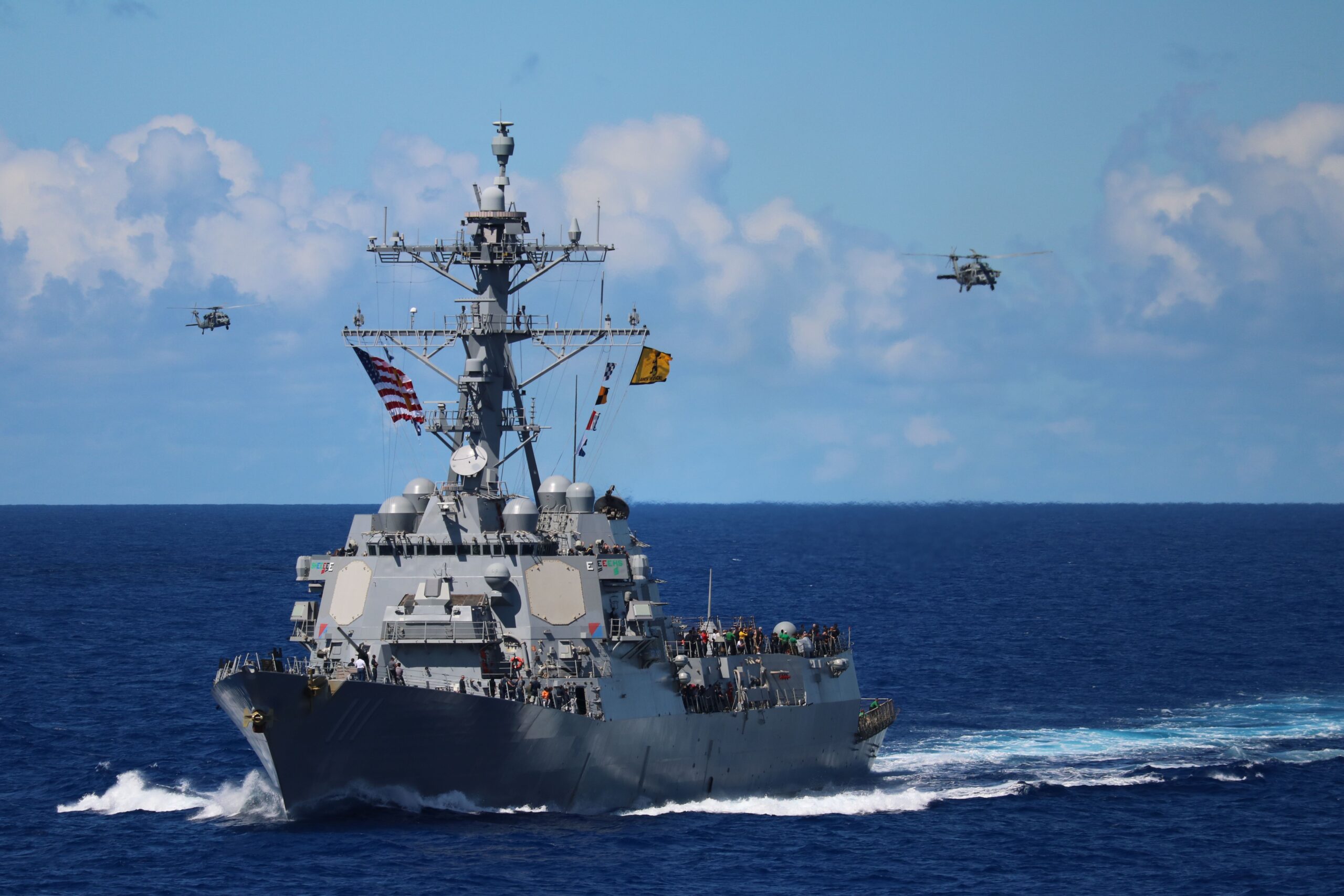
As the next phase of negotiations approaches, the window for diplomatic resolution narrows. The U.S. posture—characterized by three deployed carriers and a new ground-focused task force—serves as both a deterrent and a coercive tool. Whether this pressure leads to a “very strong agreement” or a resumption of kinetic operations remains the central unresolved military question. For now, the region holds its breath, with forces on both sides maintaining a state of high readiness while diplomatic channels remain open but fragile.