
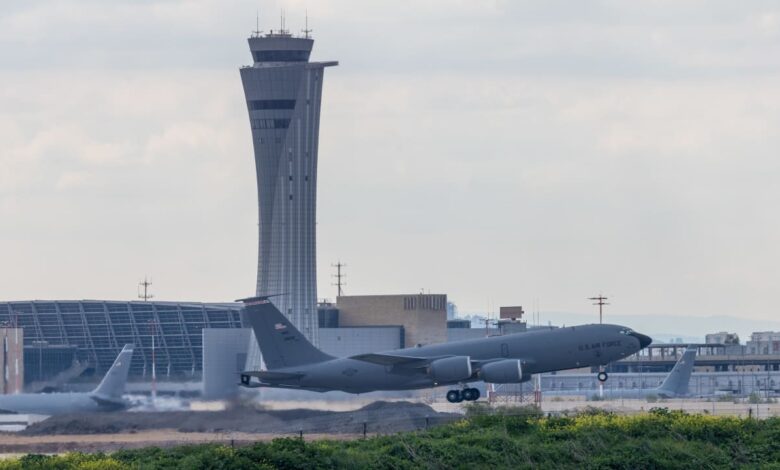
This projection implies that approximately 5,000 passengers will be left without flights daily, a significant disruption occurring precisely during one of the busiest periods of the year for Israeli air travel. The strain is not limited to Ben-Gurion; other Israeli airports are also under increasing pressure. Ilan and Asaf Ramon Airport in Eilat is currently hosting 28 American planes, while more than 10 additional refueling aircraft are stationed at Israel Air Force bases across the country. The accumulation of military aviation assets is directly competing with commercial operations, creating a bottleneck that threatens to paralyze a key economic and social artery.
The situation represents a shift from earlier diplomatic assurances. Last week, the Transport Ministry announced that the number of US refueling aircraft at Ben-Gurion Airport would be reduced to 20 by July 21, a figure agreed upon by relevant parties. The remaining aircraft were to be transferred to IDF bases designated by the Defense Ministry. The ministry stated that this move was intended to allow necessary military operations to continue while preserving aviation continuity and minimizing disruptions, particularly as tens of thousands of Israelis were expected to fly abroad for the summer. However, reports suggest that the Transportation Ministry no longer expects the US to relocate the refuelers and is instead planning for the arrival of more, indicating a breakdown in the logistical coordination previously anticipated.
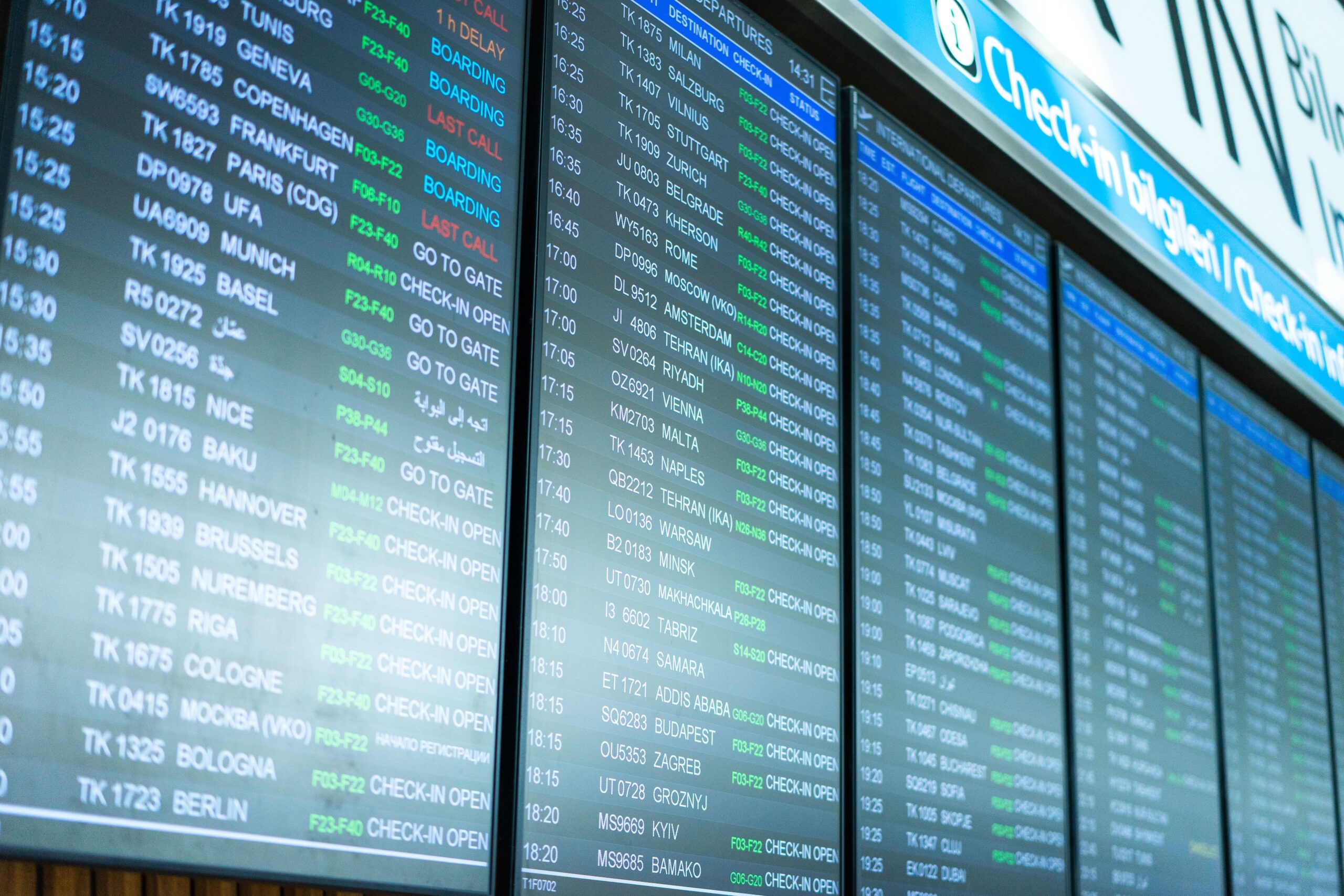
The economic stakes of this disruption are substantial, particularly for El Al, Israel’s flag carrier. The airline recently reported a 100 percent jump in second-quarter net profit, reaching $132 million, up from $66 million a year earlier. Revenue rose to $986 million from $777 million, driven by a near-monopoly position in the market. As foreign airlines, particularly US carriers, delayed resuming flights to Tel Aviv due to the conflict, El Al captured 92.3% of US-Israel flights, up from 75.7% the previous year. This dominance allowed the airline to boost revenue on North American routes by 25% to $398 million, despite higher jet fuel prices and operational restrictions. El Al’s share of traffic at Ben-Gurion Airport rose to 50.2% in the second quarter from 39.6% a year earlier.
While El Al has entered the second half of the year from a position of financial strength, with a $1.4 billion order backlog and plans to increase seat capacity by up to 10% in the third quarter, the airline is not immune to the broader infrastructure crisis. The conflict with Iran had already reduced second-quarter results by $55 million. If the projected flight cancellations materialize, the recovery narrative will be severely tested. The airline’s Chief Financial Officer, Gil Feldman, noted that the company expects continued growth based on current trends, but the sudden cancellation of 30 daily flights would disrupt the operational rhythm that has allowed for such a rapid bounce back.
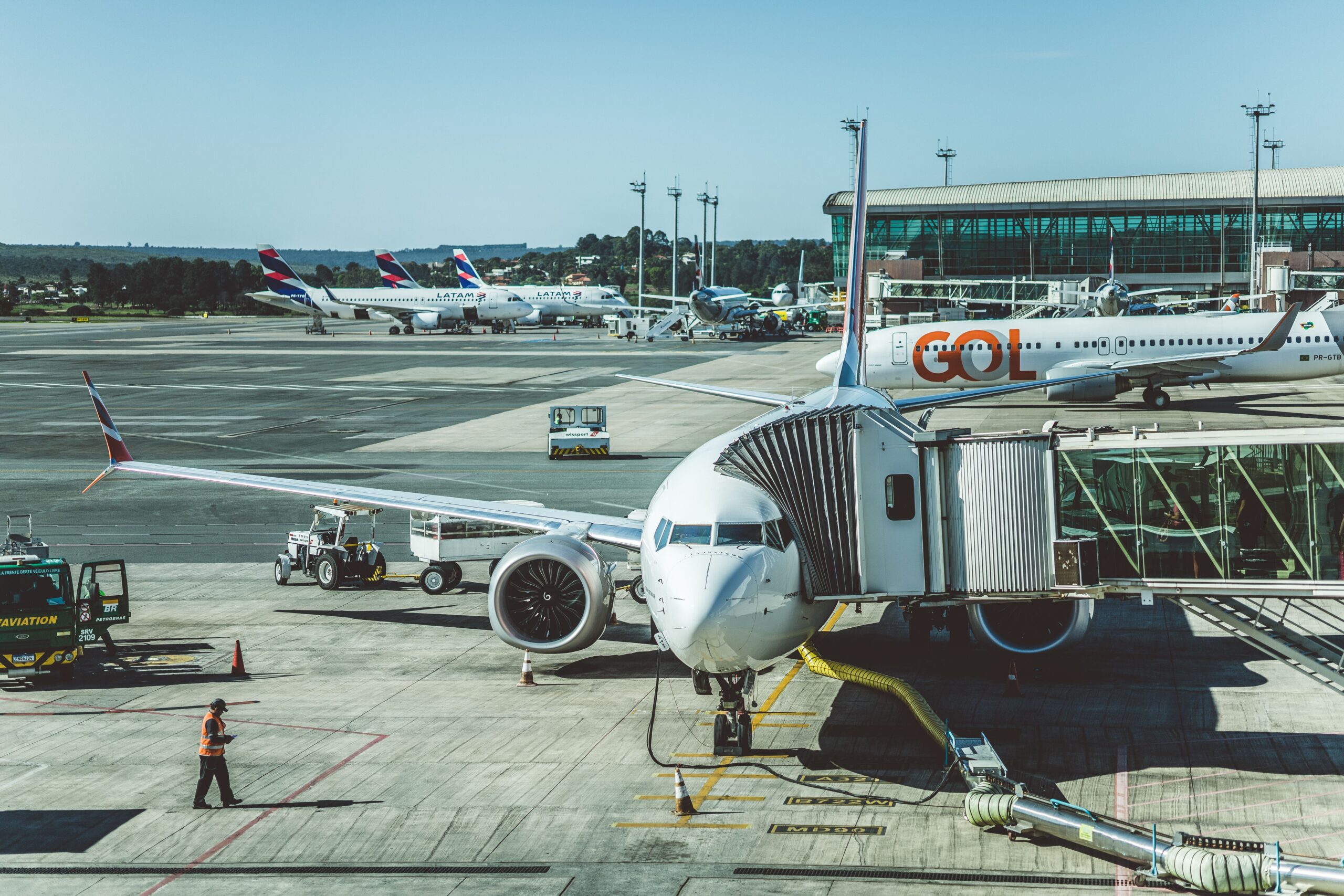
The intersection of military necessity and civilian aviation highlights the complex pressures facing Israeli authorities. The presence of US refueling aircraft is a critical component of the broader strategic posture in the region, yet its concentration at civilian airports creates a direct trade-off with economic activity and public mobility. The Transportation Ministry’s initial plan to cap the number of aircraft at Ben-Gurion at 20 was a compromise designed to balance these interests. The apparent failure of that plan, with the ministry now preparing for an increase to 40 aircraft, suggests that military demands are currently outweighing the economic imperative to maintain full commercial service.
As the summer travel season peaks, the uncertainty surrounding the final number of US aircraft stationed at Israeli airports leaves thousands of travelers in limbo. The airport, which is bracing for its busiest summer since the war began, faces a paradox: the very security measures intended to protect the region are threatening to ground its most vital commercial links. With Transport Minister Regev and airport officials having assessed the risks, the next steps hinge on whether any further diplomatic or logistical adjustments can be made to prevent the mass cancellations projected from August 1. Until then, the tension between military presence and civilian aviation remains the defining challenge for Ben-Gurion Airport.





2 Comments