

The sharp reversal in energy pricing was triggered primarily by a significant shift in geopolitical risk premiums. On November 8, US President Donald Trump indicated that the likelihood of new airstrikes against Iran was “very low” if diplomatic negotiations made progress. This statement followed high-level talks at the White House on November 9 between President Trump and Qatari Prime Minister Sheikh Mohammed bin Abdulrahman Al Thani. Qatar has acted as a mediator, conveying proposals intended to narrow differences regarding Iran’s nuclear program and the conditions for ending the current conflict.
Market analysts attribute the price decline to the reduced risk of supply disruptions through the Strait of Hormuz, a critical chokepoint for global energy flows. A Morgan Stanley report issued on November 9 highlighted that stabilizing diplomatic relations could restore oil shipments more reliably, thereby lowering the insurance and risk costs embedded in crude prices. However, experts such as Pavel Molchanov, an investment strategy analyst at Raymond James, have cautioned that while positive signals are evident, recent months of negotiations have frequently shown promise without yielding substantive results. The market remains sensitive to the durability of these diplomatic efforts.
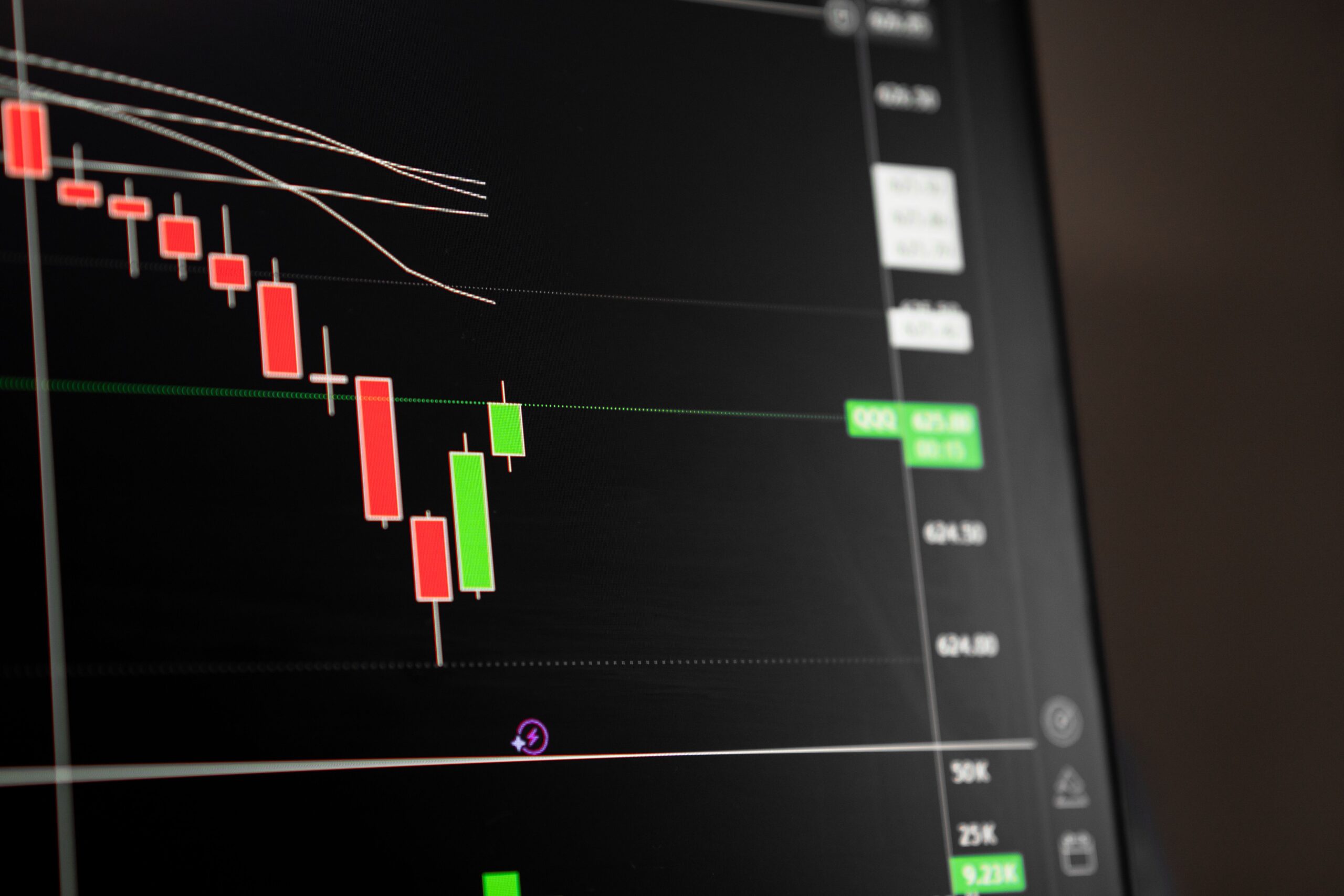
Over the past week, the oil market has been characterized by high volatility, with three sessions of declines and two of increases. Overall, Brent crude has lost approximately 17% of its value, and WTI has fallen by roughly 13%, representing the sharpest weekly decline since the onset of the COVID-19 pandemic. This downturn follows a period of heightened tension, during which President Trump had previously suggested the possibility of resuming attacks on Iran following the US midterm elections. Tehran, in turn, maintained its stance that it would retaliate against US and Israeli targets if attacked.
Domestically in Vietnam, the sharp drop in international prices has not yet been fully reflected in retail fuel costs. As of November 9, domestic gasoline and diesel prices remained at the reduced levels effective from 3 PM on November 5. The next scheduled price adjustment is set for Thursday afternoon, November 12. Forecasts suggest that domestic prices may continue to decrease, with potential drops exceeding 1,000 VND per liter, aligning with the downward trend in global benchmarks.
While the primary driver of the recent price action has been geopolitical de-escalation, supply and demand fundamentals also exert pressure on the market. The recent price action demonstrates that the oil market is highly reactive to changes in perceived security risks. As the week progressed, the price range for both WTI and Brent narrowed slightly on November 9, with WTI fluctuating between $89.87 and $90.92 per barrel and Brent between $96.73 and $97.81 per barrel. This narrowing suggests that while the initial panic selling has subsided, the market is still seeking a clearer trend confirmation.
Investors are also monitoring parallel diplomatic tracks, including trilateral talks between Russia, the US, and Ukraine scheduled for November 10 and 11 in Abu Dhabi. While these talks focus on the Ukraine conflict, they contribute to the broader geopolitical landscape influencing energy security. The interplay between these diplomatic efforts and physical supply dynamics will be critical in determining whether the recent price declines mark a sustained trend or a temporary correction.

The distinction between spot prices and retail tariffs remains a key consideration for consumers. While spot prices for crude oil drop sharply in response to geopolitical news, the transmission to retail fuel prices is typically delayed due to regulatory adjustment periods and profit margins. The upcoming adjustment on November 12 will be the first test of how quickly domestic markets absorb the recent global price drops. Until then, the energy security outlook remains focused on the Strait of Hormuz, where any renewed instability could quickly reverse the recent price gains for suppliers and losses for consumers.
As the market awaits the formal price adjustment, the focus remains on the durability of the US-Iran diplomatic channel. The removal of the “very low” probability of further airstrikes has provided a significant discount to risk premiums, but the underlying structural issues in the region and the broader global demand outlook remain unresolved. The next few trading sessions will determine if the market stabilizes at these lower levels or if further declines are imminent as supply chains adjust to the new geopolitical reality.