

Merz described the “horrifying sight” of kindergartens and synagogues protected by bulletproof glass and armed police. He stated that antisemitism had become “omnipresent,” noting that it is visible and audible on streets, in towns and cities across Europe, and within parliaments, clubs, and schools. “And that is why this is now the moment of truth for the ‘Never again’ that we utter so often,” Merz said.
The Chancellor pledged that his government would do everything in its power to protect Jewish life in Germany and abroad. He also restated Germany’s longstanding support for Israel, describing it as part of the country’s historical responsibility. Previous chancellors, Angela Merkel and Olaf Scholz, have made similar commitments to protect Jewish institutions and combat antisemitism.
The political statement coincided with the formal nomination of Ilse Aigner, the Bavarian parliament speaker, as the conservative candidate for Germany’s first female head of state. Aigner, nominated by Merz earlier in the day, described the insecurity felt by many Jews in Germany as “a disgrace for our country.”
Data from RIAS, a monitoring group, indicates that antisemitic incidents have occurred on a “dramatic scale” since the start of the Israel-Hamas War in 2023. The most recent annual report cited 8,725 reported incidents last year, a figure more than three times higher than the number recorded in 2022. This equates to approximately 24 incidents per day.
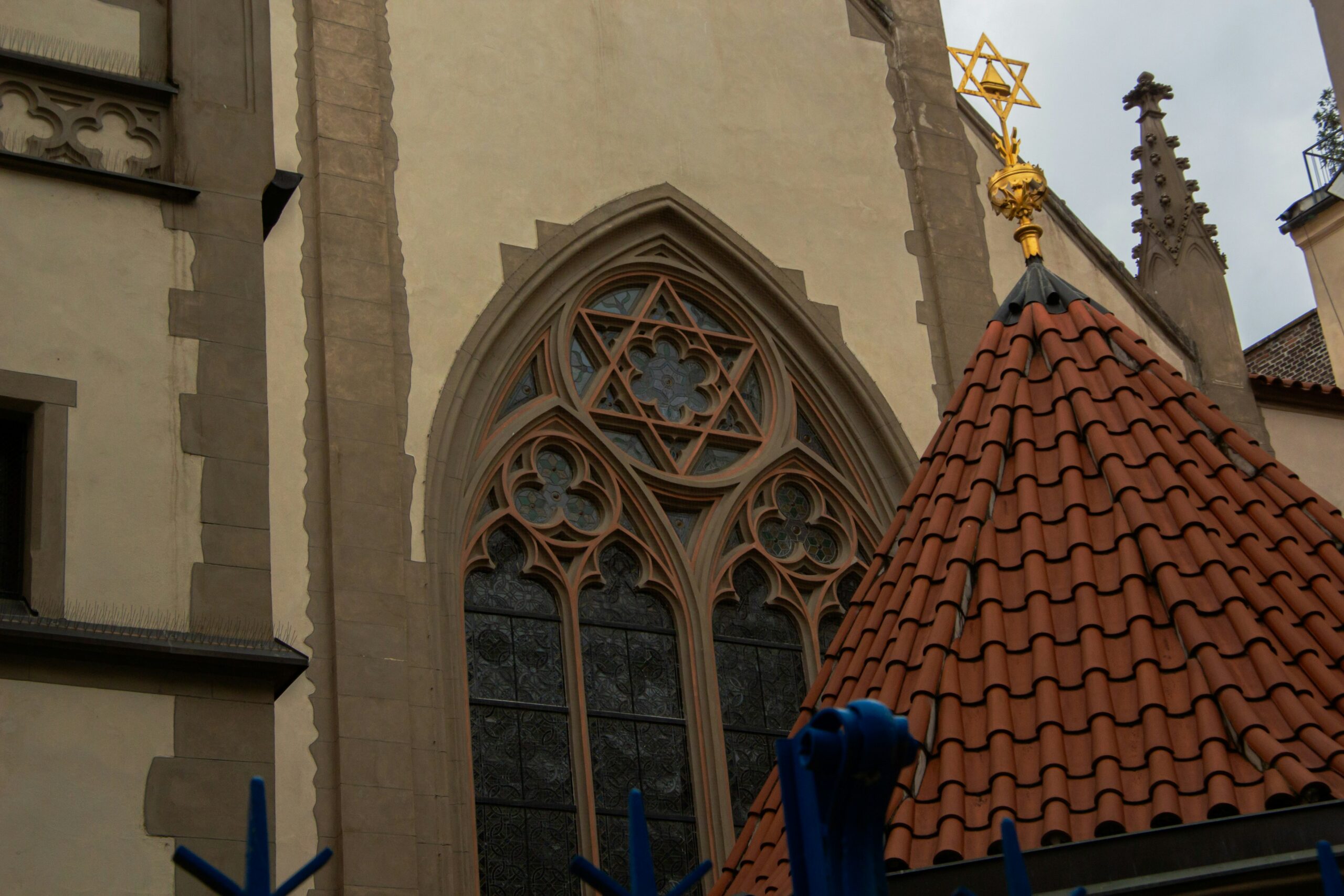
Kristallnacht, or the “Night of Broken Glass,” refers to the wave of killings, looting, and destruction of Jewish property that began on November 9, 1938. The name derives from the broken glass littering streets outside synagogues and Jewish shops. The events foreshadowed the Nazi Holocaust, which resulted in the slaughter of more than six million European Jews.




One Comment