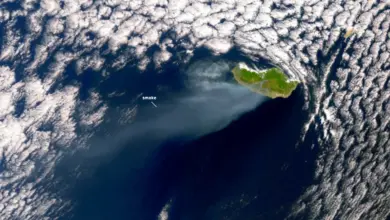
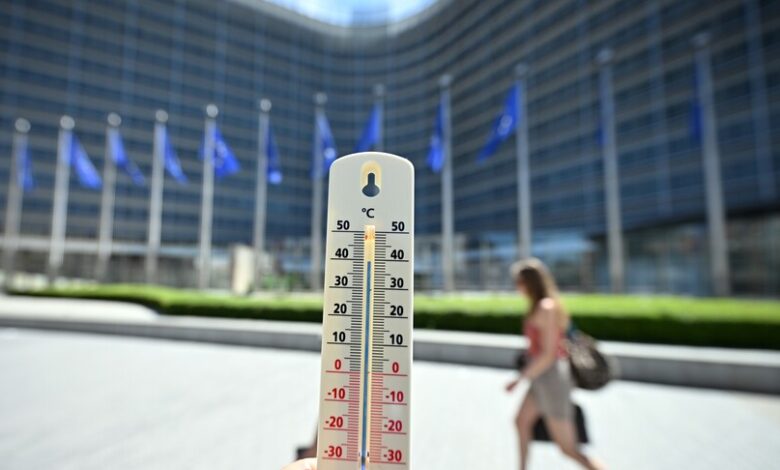
This episode of extreme heat served as the prelude to a sharp meteorological reversal. Within days, the sweltering conditions gave way to “Storm Austen,” designated as the first significant storm of the autumn. The transition from a heatwave with severe convective activity to a high-intensity low-pressure system underscores the dynamic and increasingly intense weather patterns affecting Western Europe. While the heat alert focused on thermal stress and localized storm damage, the arrival of Storm Austen shifted the immediate risk to wind-driven destruction and widespread infrastructure disruption.
Storm Austen moved across Flanders and the wider country, bringing winds that reached 90 km/h inland and potentially 100 km/h along the coast. The meteorological mechanism behind the storm’s intensity was explained by VRT meteorologist Jacotte Brokken. She identified the event as a “bomb cyclone” or “weather bomb,” a phenomenon where pressure within a low-pressure system drops significantly in a short period. This rapid deepening was driven by the intersection of the jet stream with the storm’s position, providing an extra boost to its energy. The result was a “fiery” start to the autumn, characterized by dark clouds, persistent rain, and gale-force winds that primarily affected East and West Flanders, which were placed under a code orange storm alert, while the rest of the country remained on a code yellow alert.
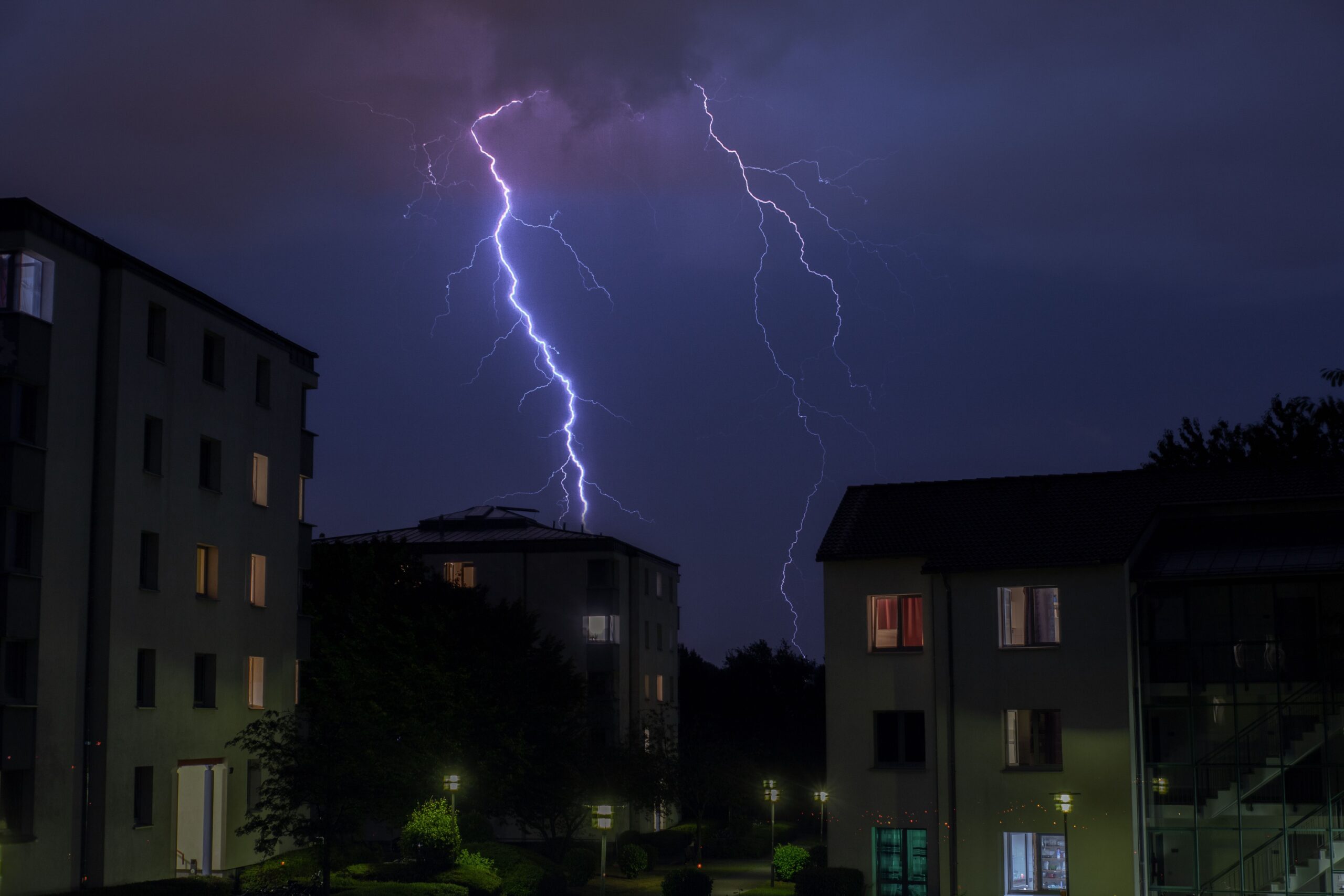
The physical impact of Storm Austen was immediate and tangible across Belgium and neighboring regions. In line with safety protocols, parks, provincial domains, and nature reserves were closed. Outdoor public activities were cancelled, and residents in the hardest-hit Flemish provinces were advised to stay indoors and secure outdoor furniture. Coastal visitor centers, including Duinpanne in De Panne and the outdoor sections of Atlantikwall Raversyde in Ostend, were shut down, with only the indoor section of Zwin Nature Park in Knokke remaining open. The storm’s reach extended beyond Belgian borders, with reports indicating that approximately 161,000 households in France lost electricity, and ferry services between France and the UK were cancelled due to the severe conditions.
The juxtaposition of these two events within a short timeframe illustrates the challenges facing meteorological agencies and public safety officials in managing seasonal transitions. The KMI’s initial warning for the heat and thunderstorms highlighted risks associated with moisture-laden, unstable air, such as flash flooding and hail. Conversely, the subsequent alert for Storm Austen focused on sustained high winds and the structural risks they pose. Brokken noted that such storms are becoming more frequent during this time of year, a trend that aligns with broader observations of increased weather variability. However, specific attribution of this single storm to long-term climate change requires dedicated research that is not detailed in the immediate weather reports; the data provided here confirms the intensity and mechanics of the specific event rather than long-term causal links.

As the winds of Storm Austen eased after 22:00, with clearing skies expected overnight, the immediate threat subsided. Yet, the aftermath left a trail of disrupted routines and energy deficits in the region. The shift from the 35°C heat of the previous week to the 100 km/h gusts of the autumn storm demonstrates the lack of a gradual, moderate transition between seasons. For communities in East and West Flanders, the days between the two alerts were defined by a tension between thermal discomfort and wind danger. The closure of nature reserves and the cancellation of outdoor events served not only as safety measures but as visible markers of how weather extremes are reshaping daily life and public access to natural spaces. As the country moved into a calmer period, the memory of the “fiery” autumn start remained a testament to the increasing unpredictability of the regional climate.