

The DOJ’s suit contends that Lyft has failed to prevent and remedy disability-based discrimination throughout its operations. According to the filing, the company allegedly denies service to “hundreds, likely thousands” of riders who travel with service animals or use wheelchairs and other mobility devices. The government argues that despite receiving “thousands of complaints each year alleging disability-based discrimination,” Lyft has refused to modify its policies, practices, or procedures to eliminate such conduct. Key allegations include inadequate training for drivers and customer service representatives regarding ADA obligations, a lack of monitoring to prevent discriminatory acts, and insufficient relief provided to affected riders.
Alleged Violations and Testimonies
The complaint includes specific testimonies from individuals who allege they were subjected to discriminatory practices by Lyft drivers. James Rath of Tennessee, who is legally blind and travels with a guide dog, claims he has been repeatedly denied rides since November 2025. The suit alleges that in June, Rath was denied a pickup from an airport after a driver refused to allow his guide dog in the vehicle and drove away without canceling the ride. Rath states that when he reported the incident via Lyft’s in-app chat, the company did not follow up until he publicized the experience on social media. Subsequently, Lyft reportedly issued a $10 credit as a remedy.
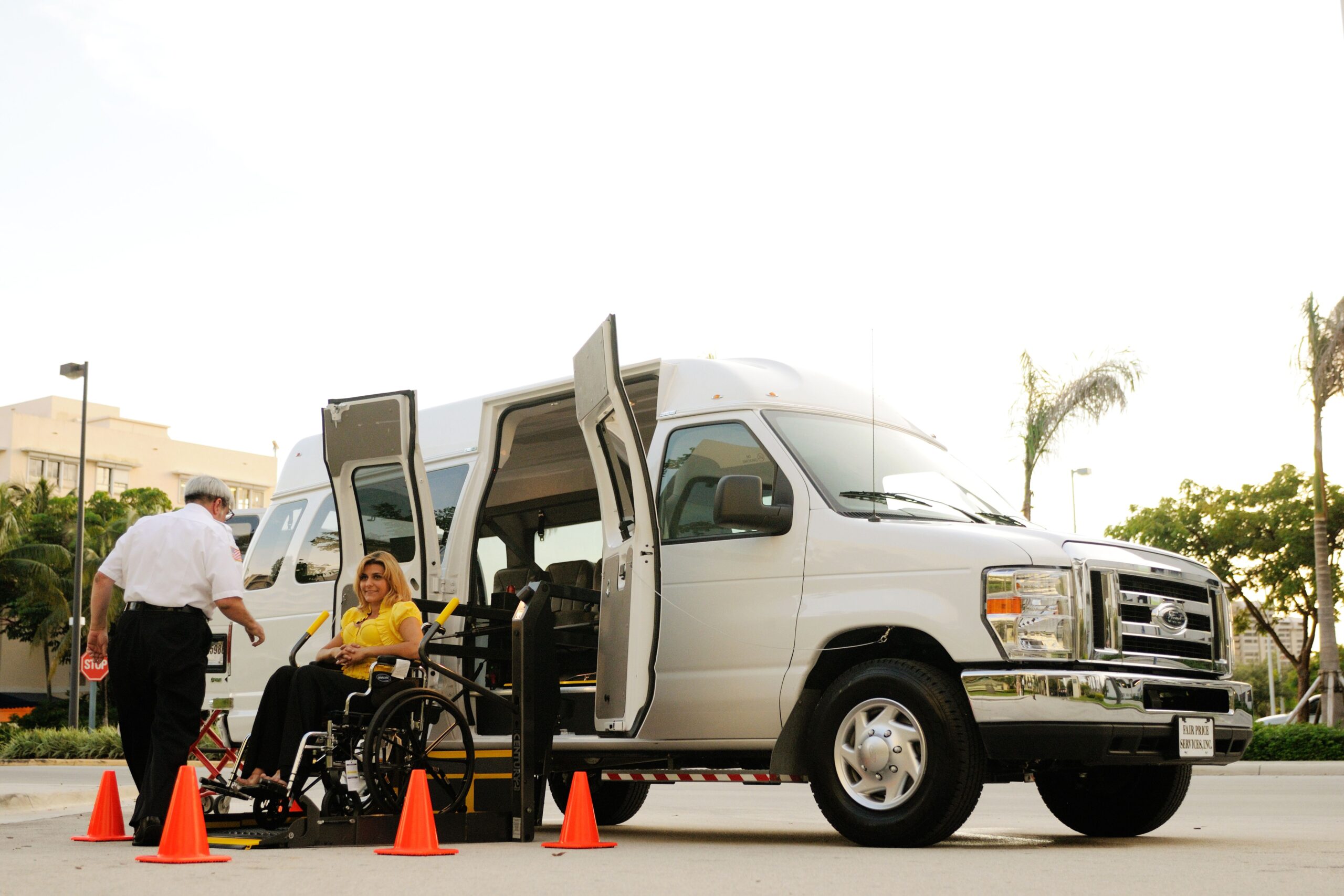
Virginia Prince of California, also blind and traveling with a guide dog, alleges repeated denials of service due to her service animal. Jodie Simon of Nevada, who uses a wheelchair due to a near-fatal car accident, claims she was denied multiple consecutive rides in May 2024 because of her mobility device. The DOJ notes that several named plaintiffs reported experiencing delays and were forced to engage in repeated arguments with drivers who refused to accommodate their disabilities. The government characterizes these incidents as evidence that Lyft has notice of “widespread disability-based discrimination” but has failed to implement effective preventive measures.
Lyft’s Response and Defense
Lyft has formally disputed the government’s allegations. In a statement, the company asserted that “discrimination has no place in the Lyft community.” Lyft highlighted its long-standing policies, which require drivers to accommodate riders traveling with service animals or using foldable mobility devices. The company stated that drivers who violate these policies face severe consequences, including permanent deactivation from the platform.
Lyft further indicated that it has supported these policies with technical in-app tools, such as features allowing riders to notify drivers in advance of service animals and automated reminders to drivers that refusing such animals is illegal. The company maintained that it has cooperated with the DOJ throughout its review process and remains committed to serving all riders, including those with disabilities.
Legal Basis and Remedies Sought
Under Title III of the ADA, public entities and private businesses open to the public are required to make reasonable modifications to policies, practices, and procedures to avoid discrimination. The DOJ argues that Lyft’s failure to provide adequate training, monitor driver conduct, and offer meaningful relief to discriminated-against riders constitutes a violation of this statutory duty. The suit seeks not only monetary damages but also equitable relief. The government is requesting a court order compelling Lyft to cease discriminatory practices, modify its operational policies to comply with the ADA, and implement comprehensive training programs for its staff and drivers. Additionally, the DOJ seeks a civil penalty to vindicate the public interest in enforcing disability rights protections.
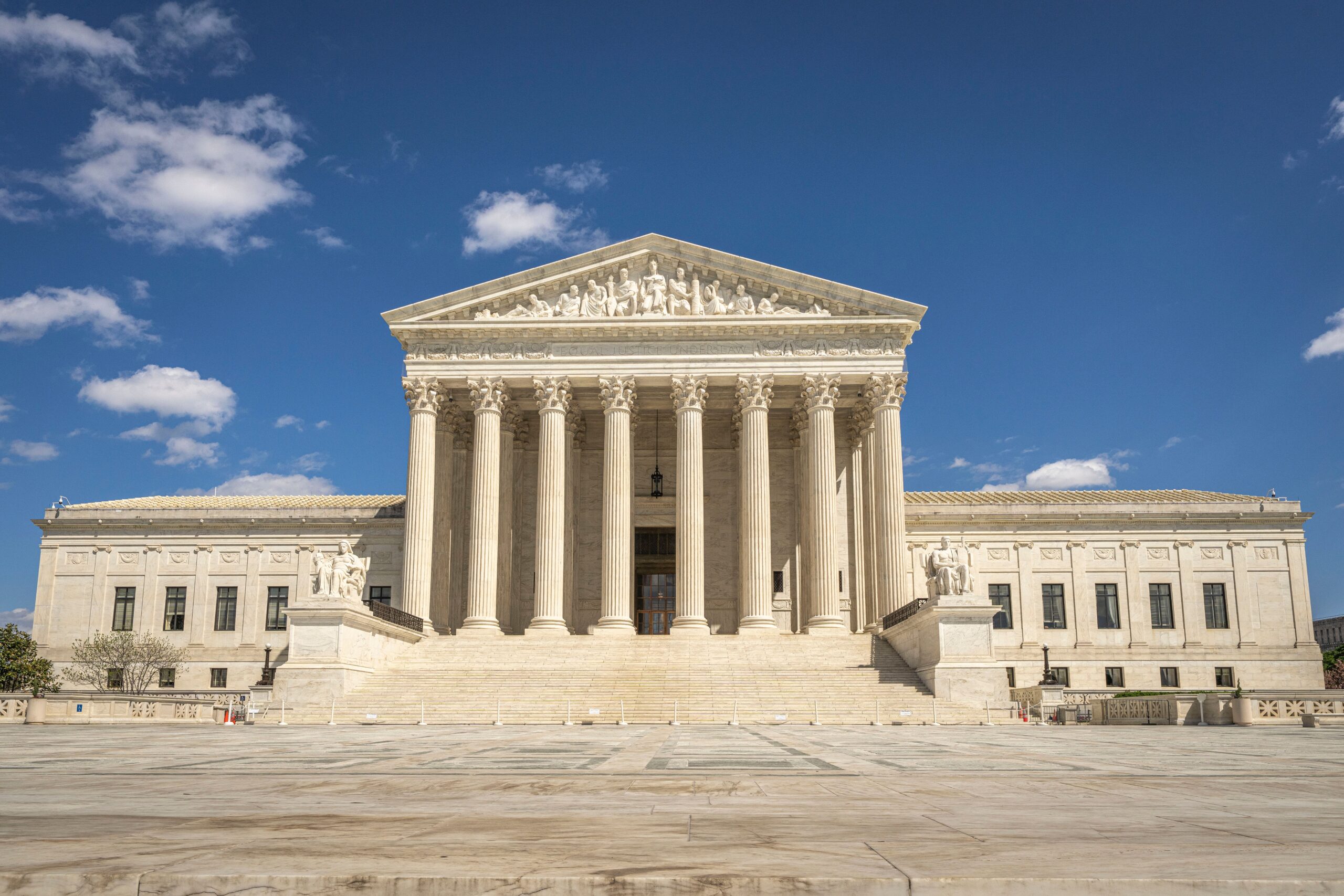
Craig H. Missakian, the U.S. Attorney for the Northern District of California, emphasized the broader significance of the case in a statement. “Our purpose in the Department of Justice is often to fight for what’s right on behalf of those who can’t fight for themselves,” Missakian said. “And there are few areas where the fight is more important than in ensuring equal access to transportation services for all Americans.”
The case is currently in its initial litigation stage. The next formal steps will involve Lyft’s response to the complaint, followed by discovery proceedings where both parties will exchange evidence and depositions. The ultimate outcome will depend on whether the court finds that Lyft’s policies and enforcement mechanisms were sufficient to comply with the ADA or if the systemic nature of the alleged denials constitutes a violation requiring significant structural changes and financial penalties.