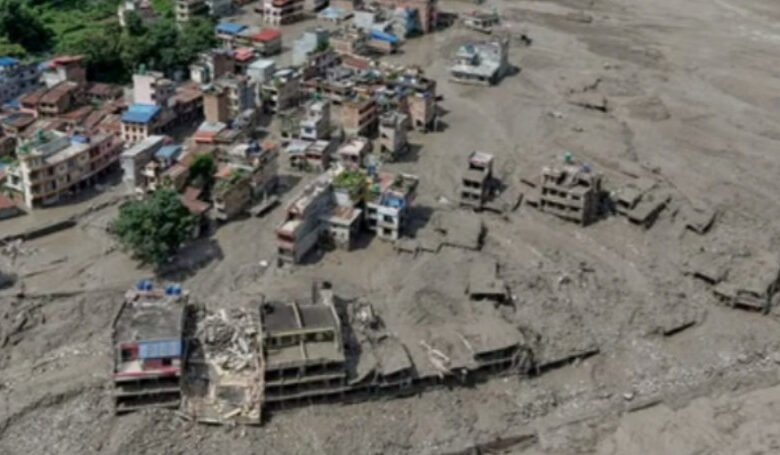
The severity of the event is underscored by footage showing walls of water and mud destroying buildings at the checkpoint. Chinese President Xi Jinping issued a personal order regarding the incident, labeling it very serious. In Nepal, the Foreign Ministry stated the floods were believed to be caused by an earthquake-induced landslide. A subsequent landslide in Gorkha district, 100 kilometers west of Kathmandu, has further complicated the situation by blocking the Budhi Gandaki River again, prompting authorities to urge villagers in downstream districts to evacuate.
The disaster has had a significant impact on international tourists, including a large number of Malaysians. According to the Malaysia Foreign Ministry, 55 Malaysian citizens remain uncontactable. Previously, reports indicated 17 Malaysians were missing, but figures have since updated as search efforts continue. Conversely, 77 Malaysians confirmed safe in Tibet and Nepal have been brought to Kathmandu for processing before returning home. The National Disaster Management Agency (Nadma) sent an 11-member SMART team to Nepal on September 5 to assist in search and rescue operations. The team, arriving in Kathmandu, is equipped with tunnel rescue gear, drones, and communications systems, with a mission focused on locating Malaysian citizens in the areas where they were last reported.
One group of 38 Malaysians, who had encountered landslides days prior to the main disaster, is currently safe in Tibet. Their travel agent noted that while the border area was challenging due to falling rocks and mud, shops were operating normally before the flood. These tourists are now facing logistical hurdles in returning to Kathmandu, with some opting for helicopter transfers at an estimated cost of RM4,800 per person. The Malaysian Embassy in Kathmandu continues to coordinate with local authorities and has advised citizens to register their contact details via the e-Konsular portal.
Scientific context indicates the initial disaster involved a glacier collapse or landslide dam breach, a phenomenon increasingly monitored in the Himalayas. The Budhi Gandaki is a tributary of the Trishuli River, and the resulting floodwaters carried muddy sludge that washed away highways, bridges, and a hydroelectric project camp in Gorkha district. Authorities have alerted residents in Gorkha, Tanahun, Chitwan, and Nawalparasi districts to remain in safe locations. The next phase of the international response involves the operational deployment of the SMART team, expected to last 10 days, alongside ongoing efforts by the Nepalese army and police to monitor rising water levels and secure evacuated areas.