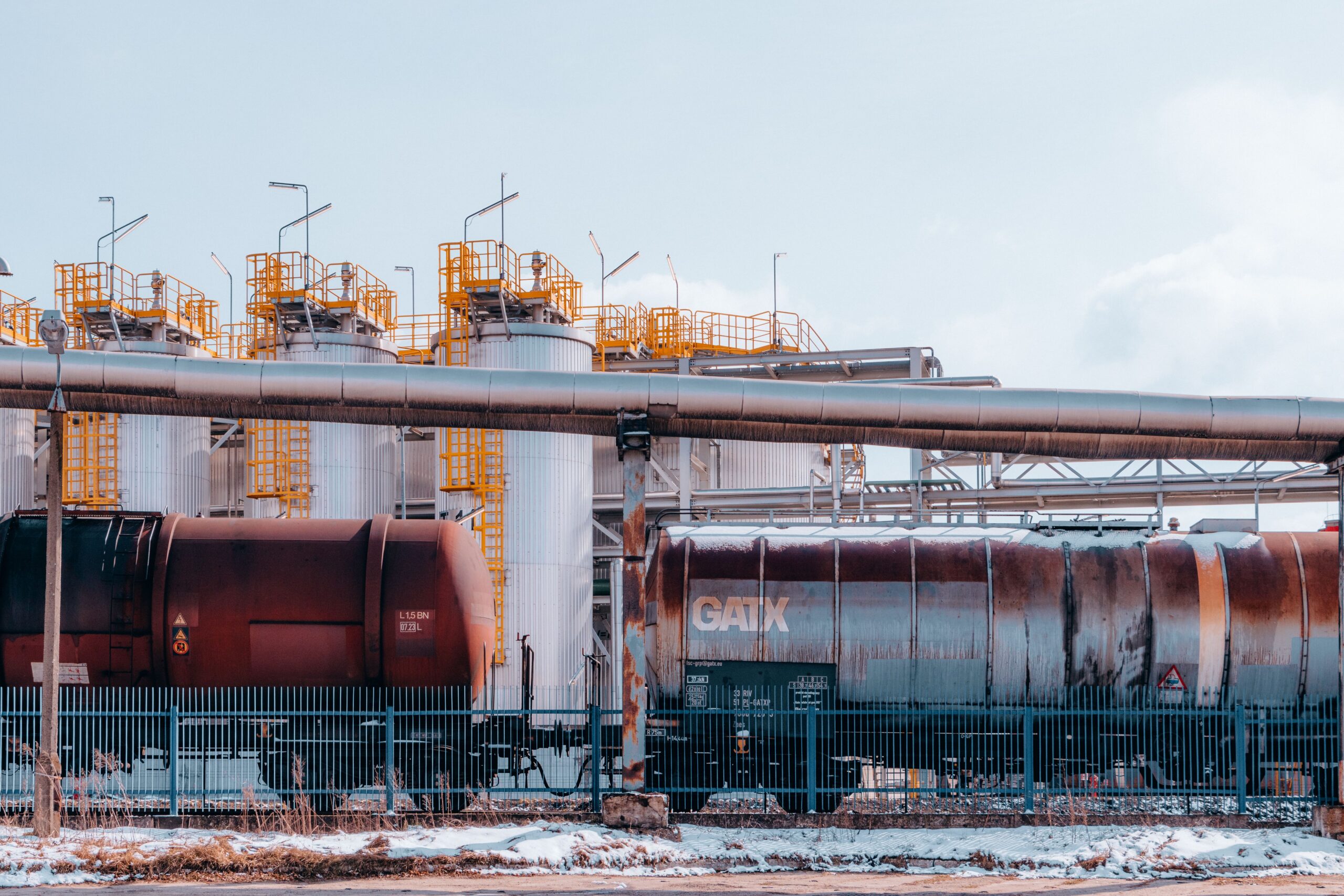
The price revision is directly tied to fluctuations in the international energy market. OGRA attributed the adjustment to global developments, including changes in Platts pricing, premiums, and incidental costs. International benchmark prices for petrol decreased to $97.12 per barrel from $101.92, while HSD benchmark prices fell to $100.57 per barrel from $104.34. Despite these drops, premiums including freight remained elevated at $25.67 per barrel for petrol. The ex-refinery price of petrol decreased to 241.56 rupees per litre from 249.92, and the ex-refinery cost of HSD dropped to 263.28 rupees per litre from 269.86. These technical adjustments in supply costs allowed the regulator to lower ex-depot prices, which in turn reduced the final retail cost for consumers.
The trajectory of these price cuts is inseparable from the broader geopolitical context of the US-Iran conflict, which began on February 28. At the onset of hostilities, diesel prices started rising from 281 rupees per litre, and petrol began its upward trend from 266 rupees in the first week of March. The situation culminated in price peaks on April 3, when HSD reached 520.35 rupees per litre and petrol hit 458.41 rupees per litre. Since then, the government has engaged in a rapid cycle of price revisions. Initially, revisions were made weekly from early March. However, due to renewed hostilities and volatile international markets, the frequency increased significantly. Since July 17, authorities have reviewed fuel prices on a near-daily basis, with the cabinet and prime minister granting OGRA the responsibility to decide prices daily based on international market trends. As of November 11, petrol prices have fallen nearly 11 percent since the beginning of the month, with a total drop of 39.91 rupees from October 31. HSD has similarly declined by 31.96 rupees, or nearly 8 percent, over the same period.
While the retail price has decreased, the structural components of the cost remain substantial. The government continues to levy 114 rupees per litre in taxes and duties on petrol and 100 rupees per litre on diesel. These levies constitute a significant portion of the final price. To mitigate the burden on consumers, an arrangement announced on November 2 requires oil refineries to bear part of the petroleum levy for 30 days. According to the government, the total impact of this mechanism will amount to 15 billion rupees, facilitating a 14.71 rupee reduction in the petrol price at the consumer end. Petroleum Minister Ali Pervaiz Malik indicated that efforts are underway to introduce a similar system for liquefied petroleum gas (LPG).
The decline in domestic prices mirrors a retreat in global oil markets following the US midterm elections on November 3. The Democratic Party secured majorities in both chambers of Congress, with voters expressing frustration over rising living costs, including higher energy prices linked to the conflict with Iran. This political shift strengthened expectations of de-escalation. US Secretary of State Marco Rubio stated that Washington’s sanctions and naval blockade against Iran were working, reducing the need for major military operations, while President Donald Trump indicated a postponement of further strikes following appeals from regional countries. Consequently, Brent crude settled 1.2 percent lower at $91.49 a barrel, and US West Texas Intermediate fell 0.9 percent to $86.04, with both benchmarks reaching two-month lows.
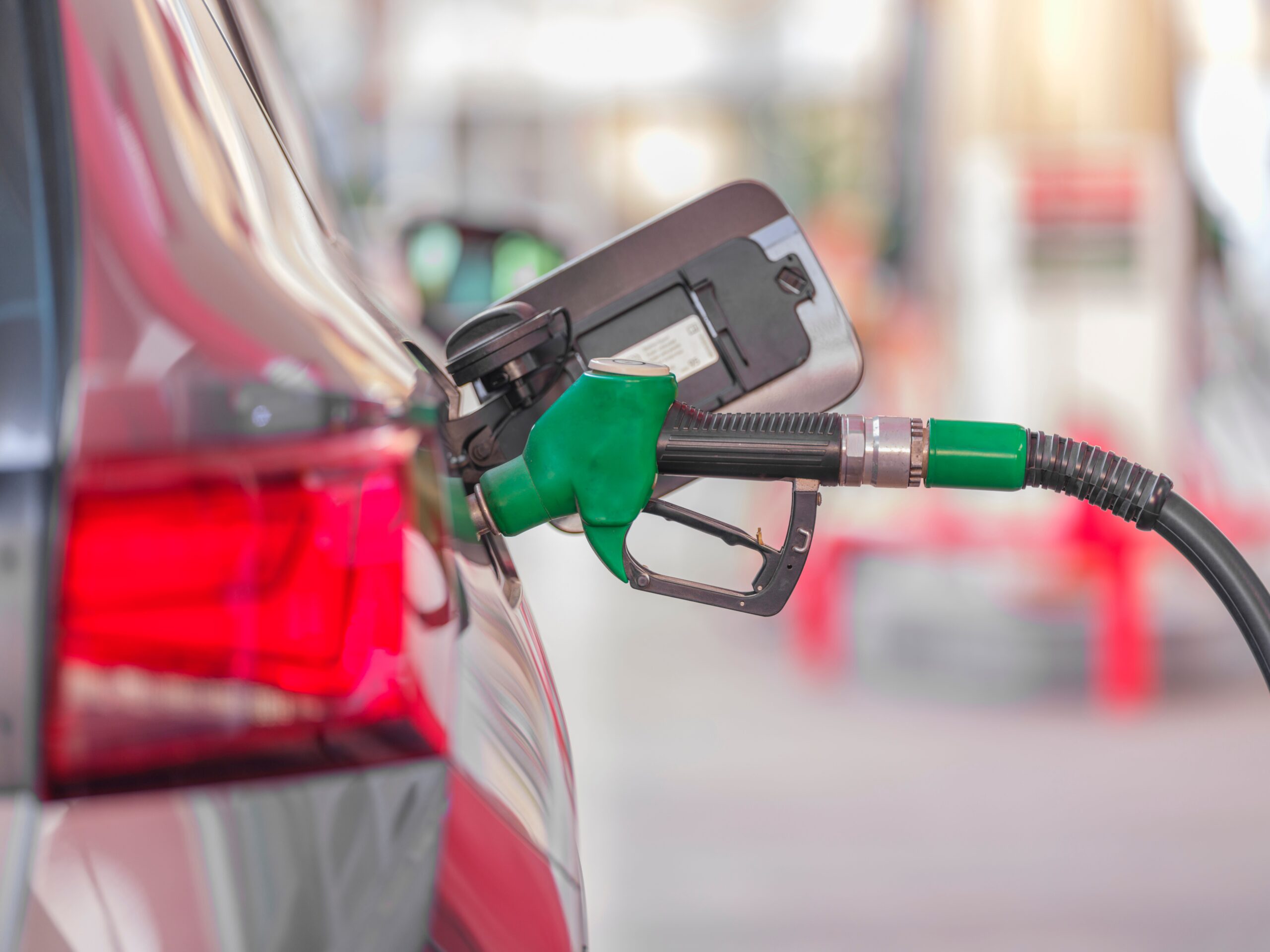
These market dynamics have direct implications for different sectors of the Pakistani economy. Petrol is primarily used in private transport, rickshaws, and two-wheeled vehicles, while diesel is critical for freight transport, power plants, and large generators. In response to the earlier price spikes, the government implemented targeted relief measures. On September 17, the Prime Minister’s Fuel Relief Scheme was rolled out for owners of motorcycles, rickshaws, and vehicles with engines of up to 800 cubic centimetres. Additionally, austerity measures were reintroduced, including mandatory market closures by 9 pm and a 50 percent cut in fuel allocations for official vehicles for three months. As the government and Jamaat-i-Islami continue negotiations on further petroleum relief, the immediate focus remains on the stability of these new price points, which are now linked to the daily movements of the global market.