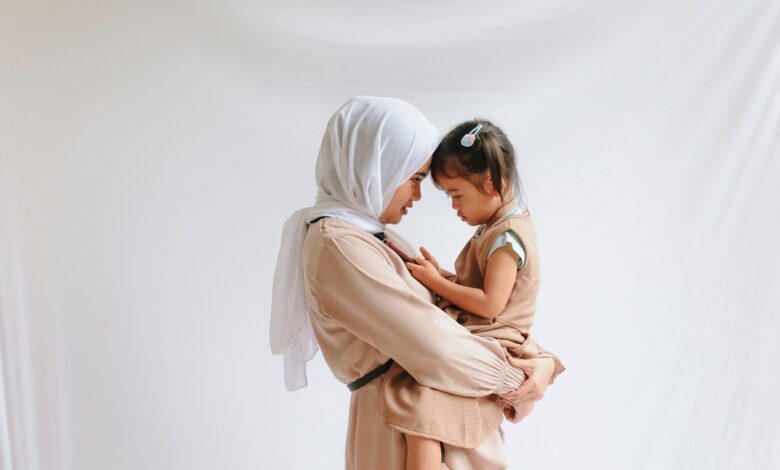
The decision to extend the partnership is supported by the final results of an Independent Impact Evaluation, presented in May 2026. Conducted by the Institute for Global Health & Development at Aga Khan University and funded by the Gates Foundation, the study followed two cohorts from early pregnancy: participants in the Nashonuma programme and non-participants enrolled in BISP Kafaalat. The evaluation documents some of the strongest results ever recorded for a nutrition programme globally. Among the key findings, stunting at six months of age was 22 percent lower (a 9.4 percentage-point reduction) among Nashonuma beneficiaries, while at 12 months, stunting was 18 percent lower (a 10.1 percentage-point reduction). Child anemia was reduced by 12 percent, and full immunization coverage increased by 17 percent.
The evaluation also recorded significant improvements in maternal and birth outcomes. Nashonuma participants had full coverage of antenatal care, with at least one visit, and showed a smaller decline in hemoglobin concentration (0.36 g/dL) compared to the control group. Adverse birth outcomes were also reduced: low birth weight cases decreased by 6 percent, preterm births by 11 percent, and small vulnerable newborns by 7 percent. However, the study noted that less than 25 percent of women in the cohort achieved adequate dietary diversity.
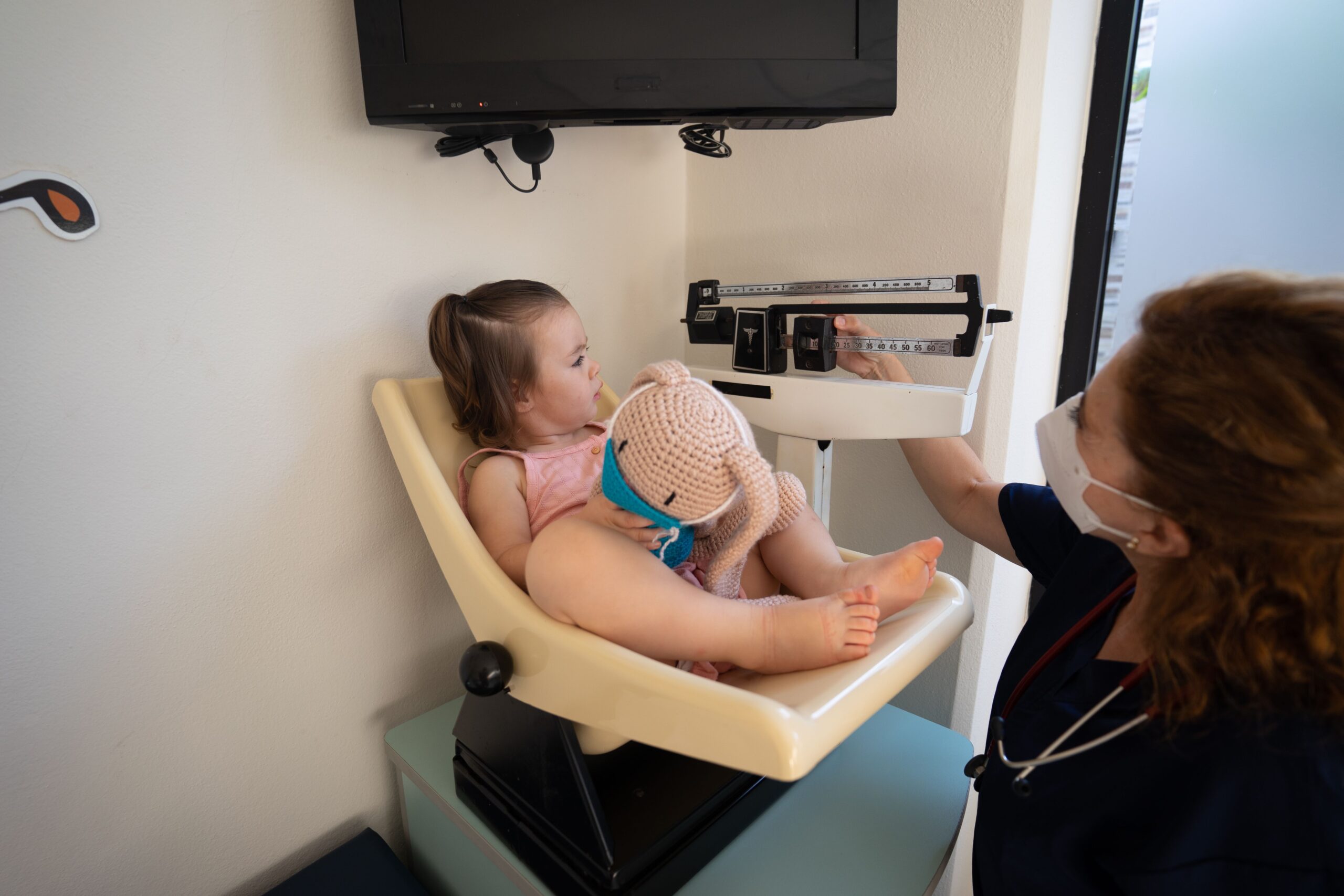
Senator Rubina Khalid, Chairperson of BISP, stated that the government was proud to strengthen the partnership, emphasizing a commitment to ensuring every child has the opportunity for a healthy start. Anita Hirsch, WFP Representative and Country Director in Pakistan, described the results as “extremely promising” for the prevention of child malnutrition, noting that the extension would allow continued support for the science-based initiative.
The programme operates through a nationwide network of 578 facilitation centres and 224 nutrition stabilization centres. In Pakistan, chronic malnutrition remains a critical issue, with four in every ten children under five suffering from stunting, equivalent to 10 million children. Wasting affects 17.7 percent of children, or 5 million individuals, contributing to an estimated annual economic loss of USD 17 billion.
Separate from the programme extension, legal and enforcement actions related to BISP operations continued in July 2026. The Federal Investigation Agency (FIA) arrested two vendors in Bahawalpur for allegedly deducting Rs 1,000 to Rs 1,500 from beneficiaries’ payments. Additionally, the Supreme Court of Pakistan ruled that a Point-of-Sale (PoS) agent could not invoke consumer protection laws to challenge the blocking of his retailer ID, determining that the relationship did not constitute a “consumer service” arrangement. The court ordered BISP to conduct an inquiry and afford the agent a hearing, directing an appropriate order within 45 days.