
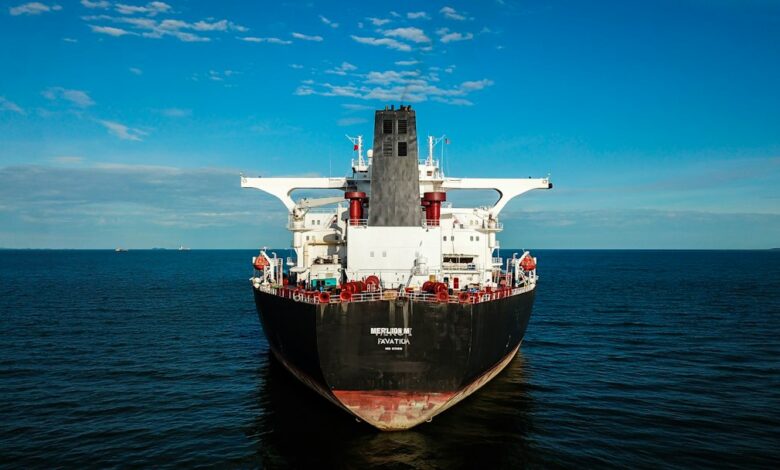
The vessels, designated as MR1-class (Medium Range), are designed for the transport of oil and petroleum products, including diesel, gasoline, and fuel oil, along the Brazilian coast. Each tanker will feature a gross tonnage (GT) of 40,000 tons, with dimensions of approximately 175 meters in length and 30 meters in width. The contract was awarded as a single lot, meaning all four vessels will be built by the same shipyard, a structure intended to streamline procurement and ensure consistency in construction standards.
This acquisition is a component of the “Mar Aberto” Program (Fleet Renewal and Expansion Program), which was launched in July 2024. The program foresees the acquisition of 16 coastal vessels, in addition to 18 barges and 18 tugboats, to meet the growing logistical demands of Petrobras’s upstream and downstream operations. Sérgio Bacci, President of Transpetro, stated that the contracting of these medium-sized vessels reinforces the company’s strategy to increase logistical capacity to meet the increased production and refining needs of Petrobras. Bacci noted that, considering recent acquisitions, Transpetro’s own fleet is expected to grow from 26 to 42 vessels by 2030.
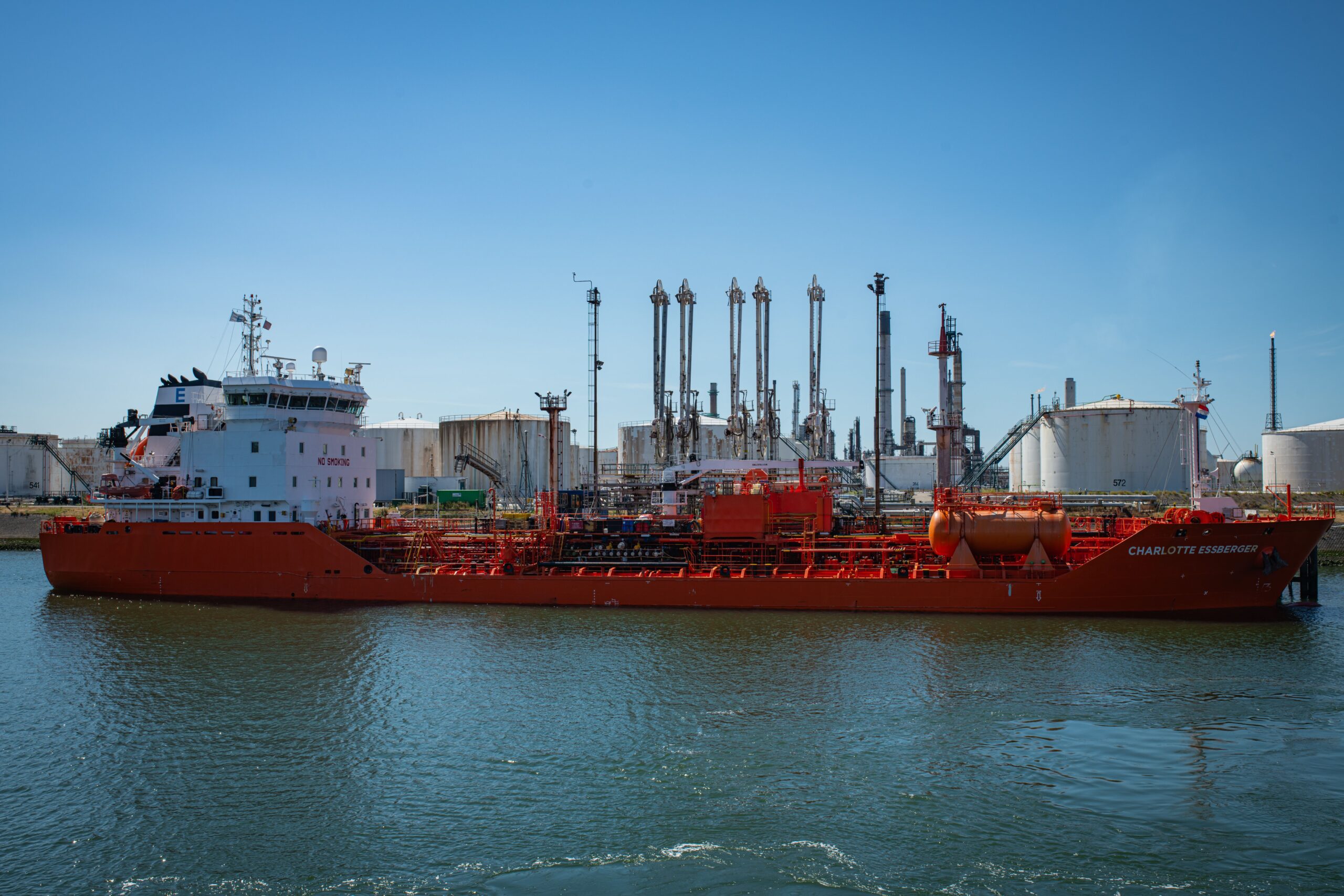
Simultaneously, Transpetro is pivoting its business model to include third-party clients. The company has signed deals with international oil trader Trafigura and domestic refiner Ipiranga, expanding its shipping services beyond the Petrobras group. This move suggests an effort to maximize asset utilization and revenue generation, leveraging the expanded fleet to serve the broader Brazilian energy market.
Technical specifications of the new MR1 vessels emphasize alignment with International Maritime Organization (IMO) guidelines for energy efficiency and emissions reduction. The tankers are designed to be capable of operating on biofuels, such as ethanol, and in electrified ports. According to Transpetro, these design features are expected to yield up to a 20% gain in fuel efficiency and a reduction of approximately 30% in greenhouse gas emissions compared to conventional vessels. The emphasis on alternative fuels and grid connectivity reflects the broader industry trend toward decarbonizing maritime logistics.
The timeline for the delivery of the vessels is projected to be 33 months from the formalization of the contract for the first vessel. The tender process for these vessels was initiated in November, with a 90-day window for shipyards to submit proposals. The selection of Estaleiro Rio Grande for this specific order highlights the role of domestic shipbuilding in the program, with Bacci emphasizing that most of the construction will take place in Brazil, thereby contributing to the country’s industrial development and providing perennial orders to the local market.
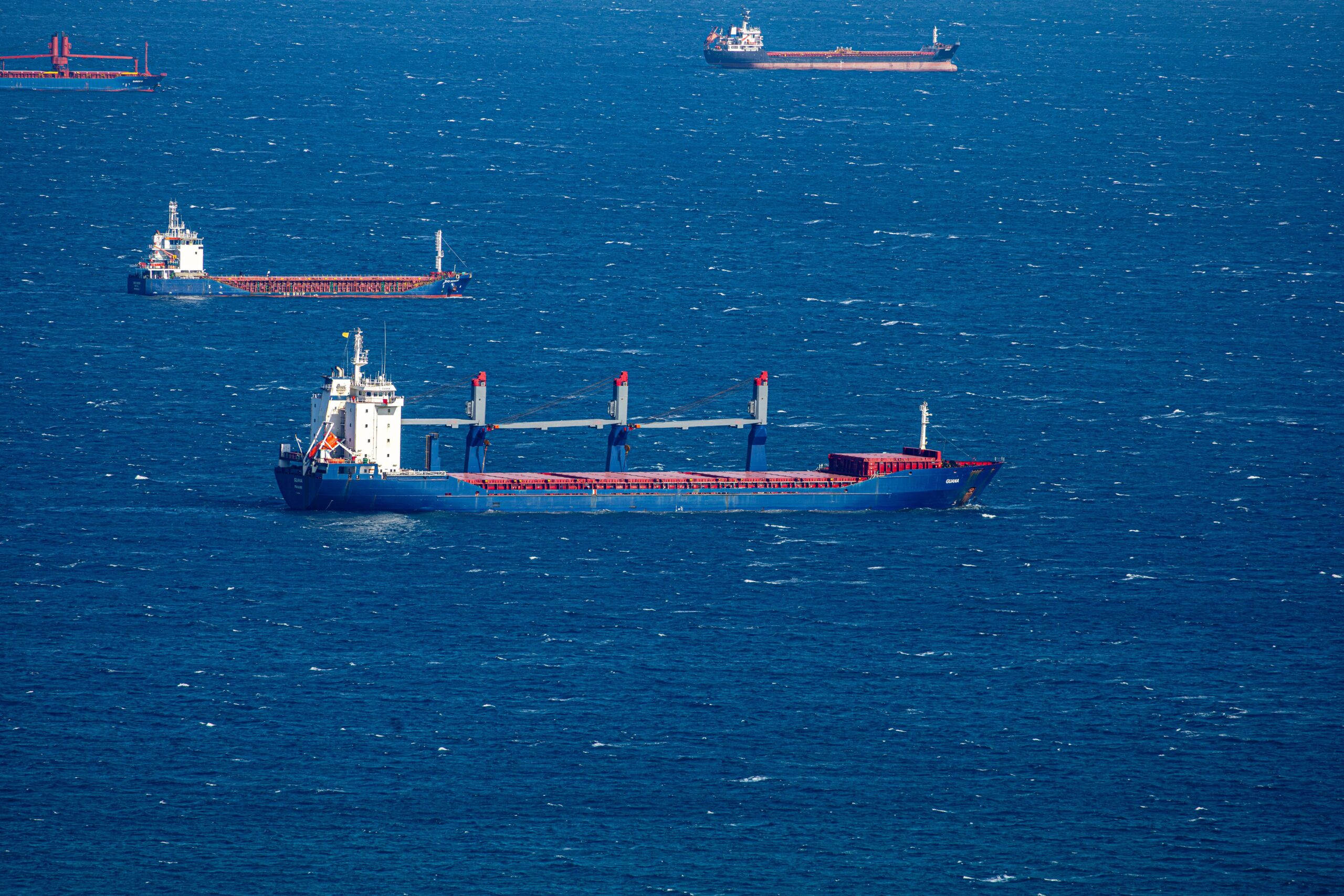
The expansion of Transpetro’s fleet and client base occurs against a backdrop of shifting export dynamics for Brazilian oil. While the source material notes that Petrobras cut US oil exports to zero in the first quarter, with China widening its lead as the top destination, the internal expansion of the domestic shipping fleet ensures reliable movement of refined products and crude within Brazil’s coastal waterways. This logistical robustness is critical for maintaining supply chain integrity for domestic consumers and industrial users, who rely on the efficient distribution of diesel, gasoline, and fuel oil.
As the program progresses, the next milestones will involve the continued commissioning of the remaining vessels planned under the 2025-2029 Business Plan. The successful integration of the four new MR1 tankers into the fleet, alongside the ongoing service of third-party clients, will be key indicators of Transpetro’s ability to balance its public mandate to support national energy security with its commercial objectives of fleet optimization and market expansion.