
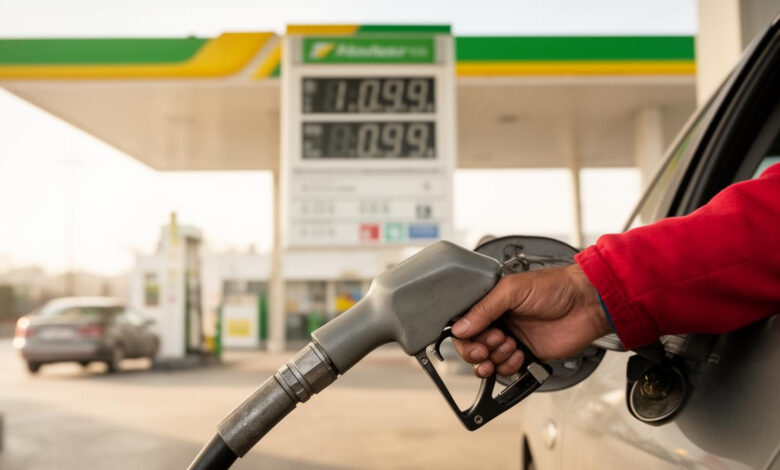
The price adjustment follows a four-day decline in global crude benchmarks, with Brent crude falling below $94 per barrel and U.S. West Texas Intermediate (WTI) settling around $86.98 to $91.60, depending on the session timing. Markets reacted to the U.S. midterm election results, with investors betting that a shift in congressional control could constrain the Trump administration’s military policy and increase pressure for a diplomatic resolution to the war with Iran. Analysts noted that a diplomatic breakthrough could restore oil shipments through the Strait of Hormuz, which had been severely disrupted, and contribute to an expected global supply surplus of 1.4 million barrels a day.
For consumers, the cut significantly reduces fuel costs. Filling a standard 50-liter tank now costs approximately 240 to 304 lira less than before the adjustment, bringing the total to around 3,721 to 3,785 lira. Industry sources indicated that a further 5.47-lira cut in diesel prices is expected to take effect on November 7, which would push diesel prices below 95 lira in Istanbul and below 97 lira in Ankara and Izmir. However, no formal price adjustment for diesel had been confirmed at the time of reporting.
Despite the immediate relief, the long-term benefit to consumers may be limited by fiscal policy changes. The Turkish government ended a sliding-scale fuel tax mechanism on October 1 and introduced a phased restoration of fuel taxes to avoid a single sharp price hike. Under this schedule, the special consumption tax (SCT) on gasoline stands at 11.36 lira per liter in November, up from 7.90 lira in October. This rate is set to rise further to 14.8277 lira in December. Consequently, the increased tax burden in the coming months could offset a portion of the savings derived from lower international oil prices and exchange-rate moves.
Final pump prices may vary slightly by city and station due to free-market competition among distribution companies and dealers. The current pricing environment is shaped by a combination of international refined-oil prices, the dollar-lira exchange rate, taxes, and distribution costs, rather than crude oil prices alone.