The specific price caps detailed by the ministry, as reported by RMF24, show a decrease of 0.08 zlotys for 95-octane gasoline, 0.13 zlotys for 98-octane gasoline, and 0.09 zlotys for diesel compared to the previous day’s limits. On Monday, the maximum prices were 6.12 zlotys, 6.80 zlotys, and 7.83 zlotys per liter, respectively. Consequently, the new caps represent a reduction of roughly 1.3% for standard unleaded gasoline and 1.1% for diesel fuel. These figures continue to be determined by the government’s interventionist approach to energy markets, which seeks to prevent sharp spikes at the pump from eroding household budgets.
This price adjustment is part of the third component of the “Lower Fuel Prices” (CPN) package, a comprehensive policy framework introduced to curb rising fuel expenses. The mechanism operates alongside a specific legal provision regarding the taxation of fuel company profits. The support package is legislated to remain in effect until the end of 2026. According to the source, the total estimated cost of this subsidy scheme is approximately 5 billion zlotys. The financial burden on the state is offset by a 60% tax on excess profits generated from the sale of liquid fuel, applicable to earnings realized between March 1, 2026, and March 31, 2027.
The policy structure represents a distinct trade-off between market freedom and social stability. By capping retail prices, the Polish government is effectively decoupling domestic fuel costs from immediate fluctuations in international wholesale markets, at least within the bounds of the statutory limit. For consumers, this provides a predictable floor for transportation costs, which is particularly significant in an economy where fuel expenditure constitutes a material portion of household budgets. For the fuel industry, the introduction of the excess profit tax suggests that while retail margins are capped, the state intends to capture a significant portion of windfall gains resulting from high global energy prices during the specified 2026-2027 period.
The administrative process for these updates is rapid, with the next announcement on maximum fuel prices scheduled for publication on November 10 itself. This upcoming release will determine the rates effective on Wednesday, indicating a cycle of near-daily adjustments to the price ceiling. This frequency allows the government to respond quickly to shifts in the underlying cost of wholesale fuel, ensuring that the retail cap remains aligned with current market conditions without lag. The immediacy of these updates underscores the volatility of the energy sector and the proactive stance of the Polish authorities in managing inflationary pressures linked to transportation costs.
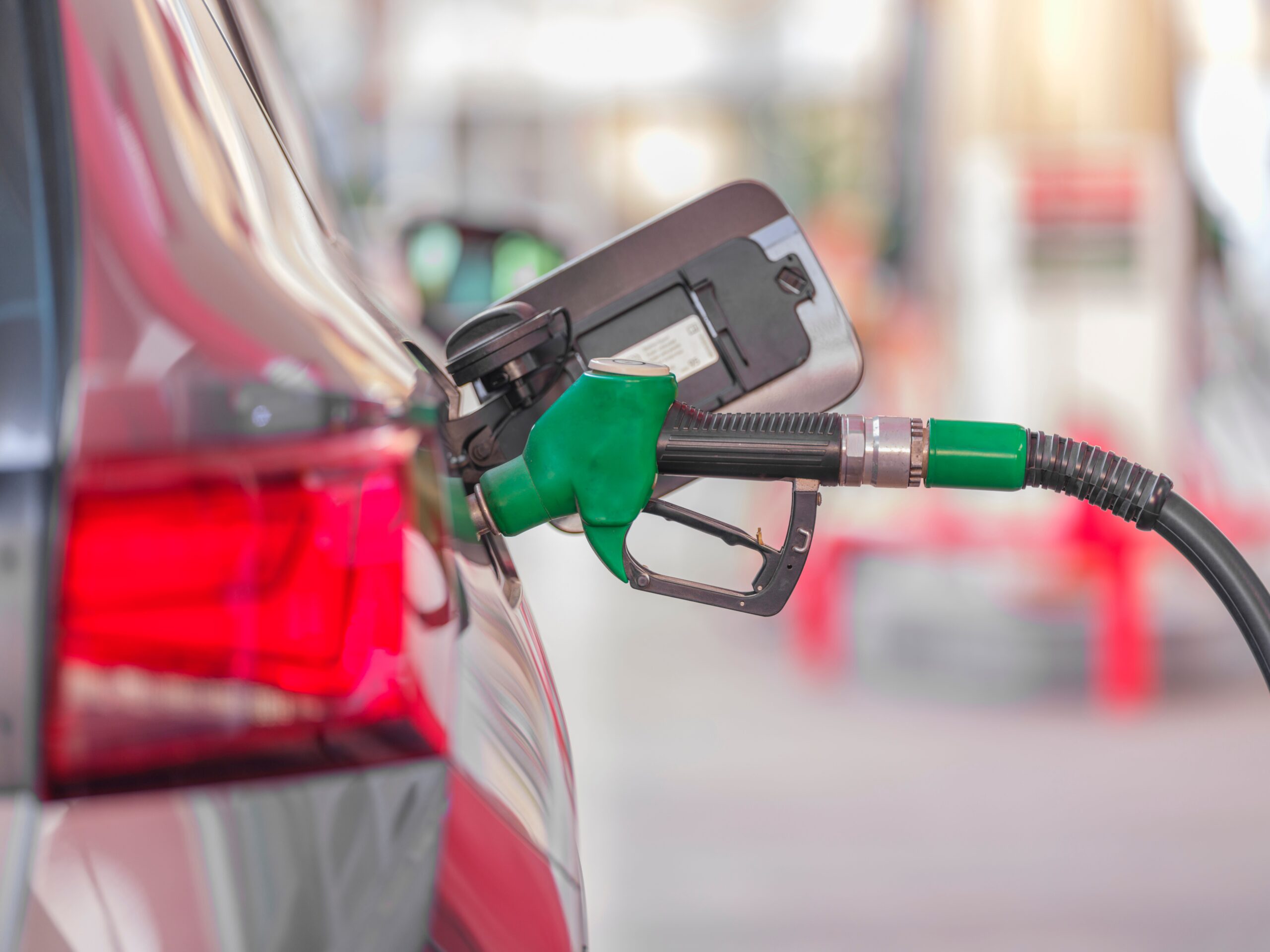
While the immediate impact is a slight reduction in the maximum price drivers can be charged, the structural significance lies in the longevity of the scheme. Extending the CPN package to the end of 2026 signals that the government views fuel price stability as a long-term fiscal priority rather than a temporary emergency measure. The 5 billion zloty estimate for the package’s cost will likely be a key figure in future fiscal debates, as policymakers balance the need for consumer protection against the constraints of public debt and budgetary sustainability. The interplay between the price caps and the excess profit tax creates a dual mechanism: direct relief for consumers at the pump and a fiscal tool to redistribute industry profits back to the state during periods of high energy prices.
As the new caps take effect, attention will turn to how the fuel sector adjusts its supply chains and pricing strategies in response. The distinction between the announced policy and its actual implementation at the pump level will be monitored closely, as retailers must navigate the legal maximum while managing their own operational costs. The next critical data point will be the November 10 announcement, which will set the Wednesday rates, continuing the cycle of adjustments that define Poland’s unique approach to energy market regulation in the current geopolitical climate.