The Turkish Ministry of National Defense confirmed that all 20 soldiers aboard the aircraft were killed. Georgian Interior Minister Gela Geladze reported that 18 bodies had been recovered at the crash site, with search operations continuing for the remaining two. In a statement posted on social media, the Turkish ministry honored the fallen servicemen with the message, “We bury you in our hearts.” President Recep Tayyip Erdogan expressed his deep sadness, referring to the victims as “martyrs” and stating that Turkey would overcome the accident with minimal setbacks. Condolences followed from across the international community, including NATO Secretary General Mark Rutte, who emphasized the vital role of the Turkish Armed Forces in maintaining alliance security, and U.S. Ambassador to Turkey Tom Barack, who voiced solidarity with his Turkish counterparts. Azerbaijan, Germany, Russia, and Georgia also issued statements of sympathy.
While the human cost is immediate and severe, the strategic implications of the crash are unfolding more slowly but with greater consequence. The primary focus of the investigation is the determination of the cause, a process that Turkish officials indicate will be lengthy. According to recent reports, the analysis of the black box data and initial findings are expected to take at least two months. A Turkish crash investigation team is already on the ground in Georgia, coordinating with local and Azerbaijani authorities, but a definitive technical explanation remains pending. The Georgian aviation authority noted that the plane had not issued a distress call before contact was lost, a detail that complicates the early narrative of the failure.
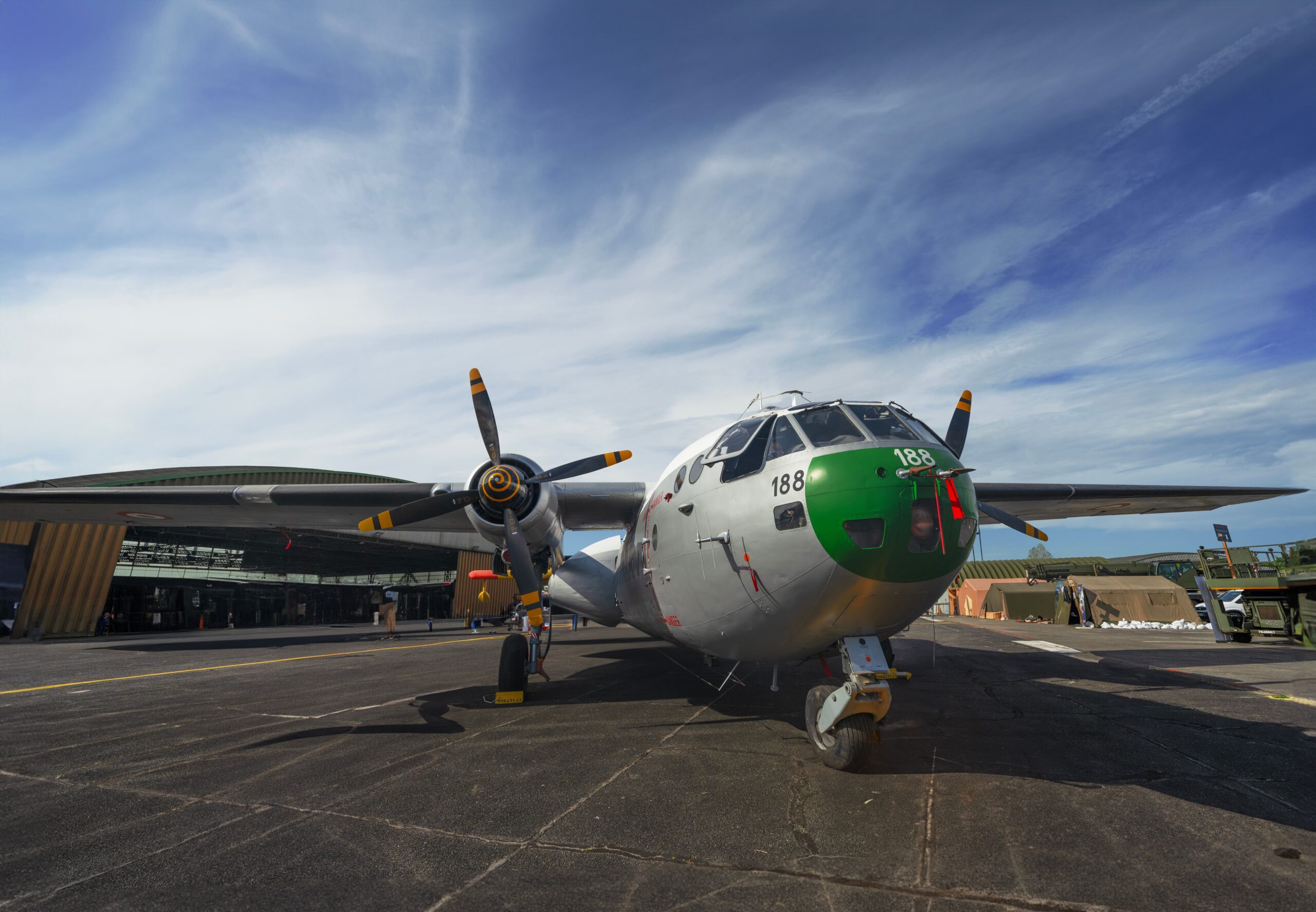
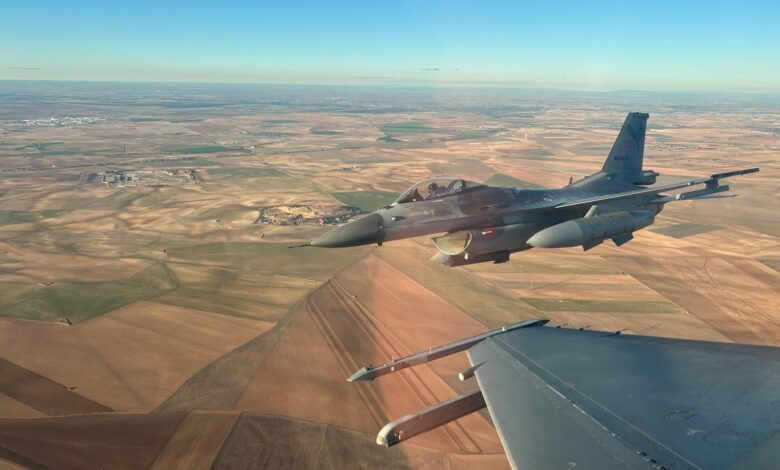
The incident has reignited a broader debate within defense circles regarding the state of the Turkish Air Force. The crashed C-130 was reportedly in service for 57 years, a figure that underscores the ageing nature of a significant portion of Turkey’s military aviation assets. Security experts argue that this crash exposes vulnerabilities in the force’s infrastructure and maintenance cycles, even as Ankara aggressively pursues modernization. The Turkish government has recently finalized the purchase of 40 Eurofighter Typhoons, a move intended to bolster air superiority. However, analysts caution that adding forty fourth-generation fighters to a fleet lacking fifth-generation stealth capabilities may not be sufficient to close the gap with regional rivals who are fielding more advanced platforms.
This tension between legacy hardware and modern aspirations defines the current defense landscape in the region. Turkey has invested heavily in indigenous drone production and is developing a homegrown next-generation fighter jet, the KAAN. Yet, the reliance on aging transport aircraft like the C-130 highlights a logistical and operational risk. The C-130 Hercules, designed by Lockheed Martin, remains a workhorse for military logistics worldwide, but its longevity is increasingly tested by the demands of modern warfare and the complexity of air defense systems. The crash of a 57-year-old airframe suggests that while the fleet is active, its serviceable life is approaching a critical threshold where maintenance challenges may outstrip operational requirements.
The geographical context of the crash also adds a layer of strategic sensitivity. The aircraft crashed near the border of Azerbaijan and Georgia, two nations with whom Turkey maintains close political and military ties. The involvement of Azerbaijani authorities in the investigation, alongside the Turkish team, reflects the multilateral nature of modern aviation safety inquiries. However, the proximity to the border and the presence of Russian military assets in the broader Caucasus region mean that any technical failure with military implications is subject to intense scrutiny. While the crash is currently classified as an accident, the lack of a distress call and the nature of the structural failure have prompted experts to consider all possibilities, including mechanical fatigue or external interference, though no evidence of the latter has been presented.
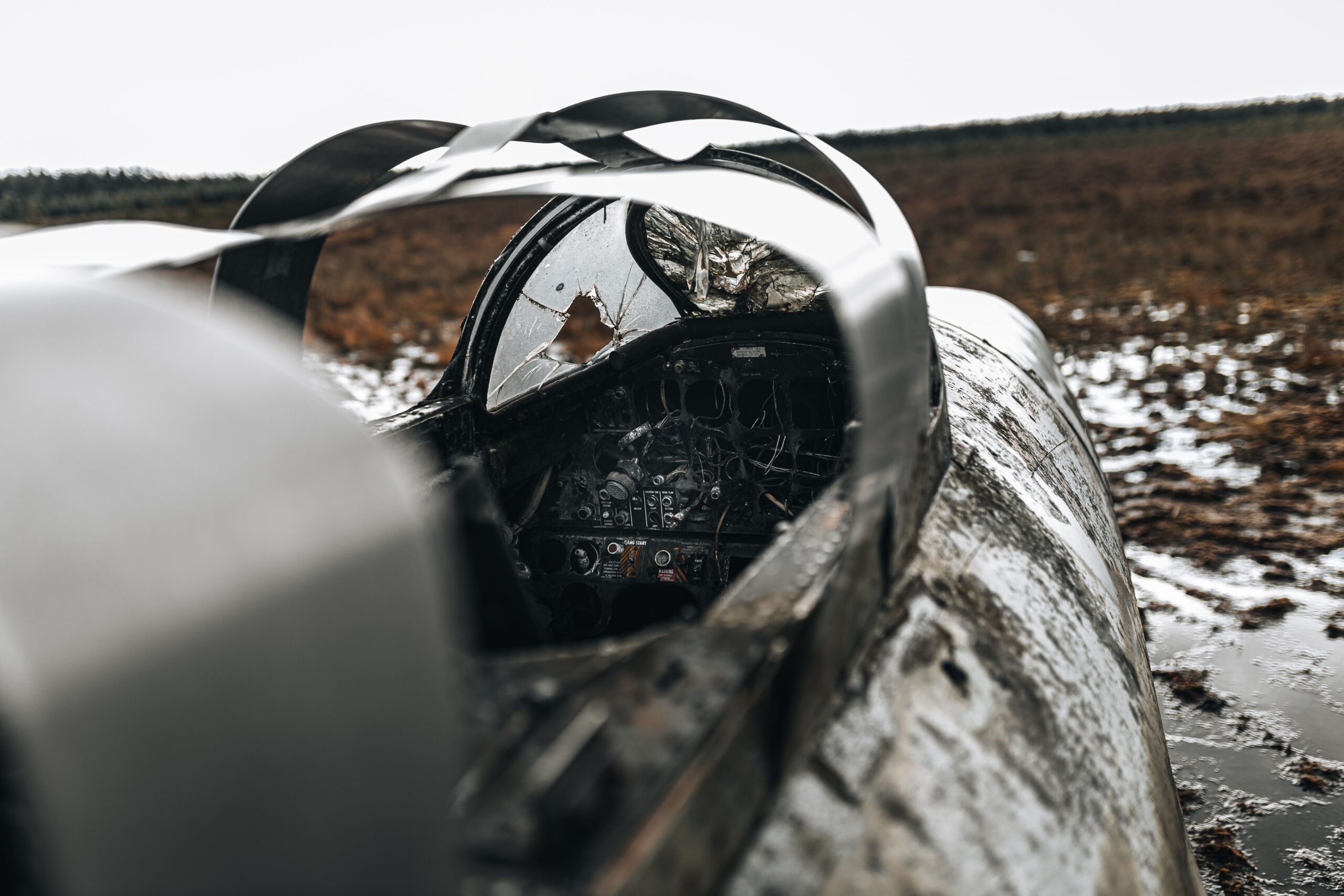
For the Turkish military, the immediate objective is to determine the cause of the failure to prevent recurrence. This requires a transparent and thorough examination of the wreckage, which is why the two-month timeline for black box analysis is significant. It signals a methodical approach rather than a rushed conclusion. In the interim, the incident serves as a reminder of the physical limits of military power. No amount of drone innovation or new fighter jet procurement can fully mitigate the risks inherent in operating aging platforms. The 20 soldiers who lost their lives in Sighnaghi are a stark testament to the dangers of high-altitude military aviation, and their sacrifice has shifted the national conversation from procurement statistics to the fundamental safety and sustainability of the air force.
As the investigation team continues its work in Georgia, the next confirmed development will be the release of the preliminary black box analysis. Until then, the focus remains on the coordination between Turkish, Georgian, and Azerbaijani authorities to ensure the integrity of the evidence. The crash has not only highlighted the vulnerability of specific aircraft types but has also forced a broader reckoning with the future composition of Turkey’s air power. The path forward will depend on how quickly Ankara can replace aging assets with modern systems, a process that is constrained by budget, industrial capacity, and geopolitical realities.