
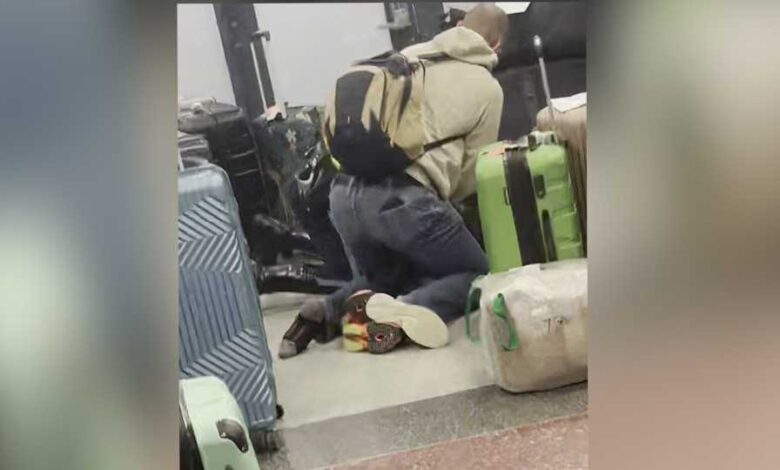
According to witnesses, the passenger, identified by Massachusetts State Police as Andrew Kipchirchir, became visibly agitated during the interaction. Rommel Marson, an eyewitness, described the scene, noting, “He looked angry.” The situation escalated when Kipchirchir allegedly attempted to reach for a computer located behind the baggage counter. Another man intervened, tackling Kipchirchir, and the two engaged in a struggle until police arrived. Authorities confirmed that Kipchirchir was arrested and charged with disorderly conduct, as well as an outstanding warrant.
This localized incident is a direct consequence of a broader systemic disruption. On Friday, the Federal Aviation Administration (FAA) issued a nationwide ground stop due to a telecommunications issue affecting the air traffic control system. This precautionary measure led to the cancellation of thousands of flights, creating a severe backlog that persisted into Saturday. While flights have since resumed, the residual effects of the ground stop continue to disrupt travel plans for thousands of passengers, leaving many uncertain about their destinations and timelines.
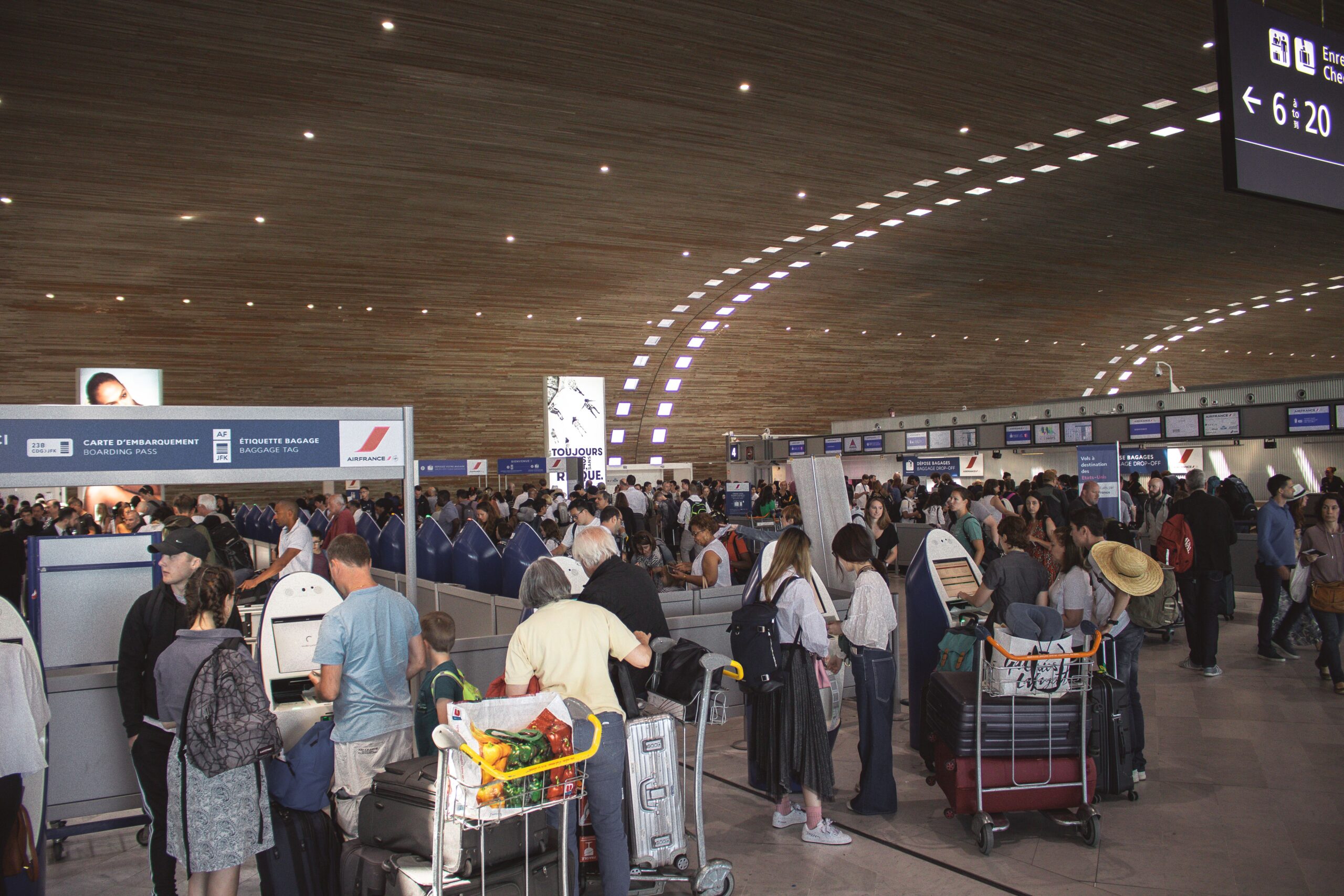
For many stranded travelers, the immediate challenge is not just the delay, but the lack of support from airlines. Sandra Cornell, who is attempting to return to Arizona with her sister Nellie after a cruise, described the situation as “such a big disaster.” The sisters are currently sleeping at the airport, waiting for their flight on Sunday. While they expressed gratitude for the basic amenities provided by the airport, such as cots and a quiet area, the experience remains one of significant inconvenience.
Other passengers have voiced frustration specifically regarding the absence of standard airline accommodations. Mohammed Raihamuzzaman, a passenger trying to return to Michigan, highlighted the lack of hotel vouchers or food coupons. “The biggest problem is they are not offering any accommodation, any food coupon, nothing,” Raihamuzzaman said. The uncertainty of rebooking has further compounded the stress; airlines have told passengers that flights are not guaranteed. As Raihamuzzaman noted, “If we fly, it’s good. If we don’t fly, we have to rebook you.” This lack of guarantee leaves travelers in a state of limbo, dependent on the gradual clearing of the operational backlog.
The incident at Logan serves as a microcosm of the strain placed on the U.S. aviation system by the Friday ground stop. The telecommunications failure with the air traffic control system was a critical event that required an immediate halt to operations to ensure safety. However, the downstream effects—delayed flights, damaged luggage disputes, and passenger exhaustion—reveal the fragility of the system when major disruptions occur. The arrest of Kipchirchir, while a law enforcement matter, underscores the high level of frustration among travelers who are left without clear communication or support from carriers during such events.
As the backlog continues to work through the system, the focus remains on the operational recovery. Airlines are working to rebook passengers, but the sheer volume of affected travelers ensures that disruptions will persist for some time. For those still at the airport, the next step is uncertain, governed by the availability of seats and the efficiency of the rebooking process. The incident at the baggage counter in Terminal B, while isolated, reflects the broader tension between passengers and the aviation infrastructure that is still recovering from the nationwide stop.