The Merkury, a Steregushchiy-class (Project 20380) missile corvette, was originally intended to join Russia’s Black Sea Fleet. However, following Russia’s full-scale invasion of Ukraine in 2022, the ship was unable to enter the Black Sea due to Turkey’s invocation of the 1936 Montreux Convention, which restricts warship transit. Consequently, the Merkury operated primarily from Russia’s Northern Fleet bases in Arctic waters before being deployed to Libya. Its presence in Benghazi was facilitated by a cooperation agreement between Moscow and the eastern Libyan government led by Khalifa Haftar, commander of the Libyan National Army (LNA). The LNA, based in Tobruk, is a close ally of Russia, which has used eastern Libya as a logistical hub for its military operations across Africa, including in Sudan and the Sahel region.
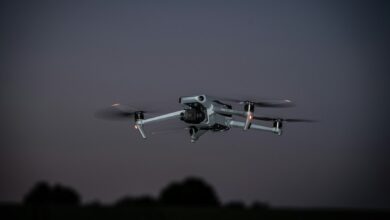
Ukraine’s Security Service (SBU) claimed responsibility for the strike, stating that seven naval drones were launched from a mother ship to target the Merkury and an accompanying Russian dry cargo ship, the MV Angara. President Volodymyr Zelenskyy shared video footage showing the drone boats approaching and exploding against both vessels. He noted that the strike destroyed a Ka-27 combat helicopter onboard the Merkury and identified the MV Angara as transporting weapons that provided material support to the LNA. The SBU justified the attacks by describing both vessels as “legitimate military targets” that directly supported Russian military capabilities. While unnamed sources told the Associated Press that the drones were launched from a military base run by Ukrainian forces in western Libya, the internationally recognized government in Tripoli did not confirm any Ukrainian military presence on its soil.
The technical profile of the Merkury highlights the significance of the loss. Classified by NATO as equivalent to a frigate, the Steregushchiy-class corvette is equipped with anti-ship and air-defense missiles, torpedoes for anti-submarine warfare, and a naval deck cannon. Although smaller than destroyers, these vessels serve as critical multipurpose platforms. The sinking of the Merkury in port, rather than at sea, underscores the evolving nature of Ukrainian maritime warfare, which has increasingly relied on low-profile, unmanned surface vessels (USVs) armed with explosives or machine guns for kamikaze missions. These drone boats have been used in combination with flying drones and missiles to challenge Russian control of the Black Sea and Sea of Azov, crucial shipping lanes for both nations.
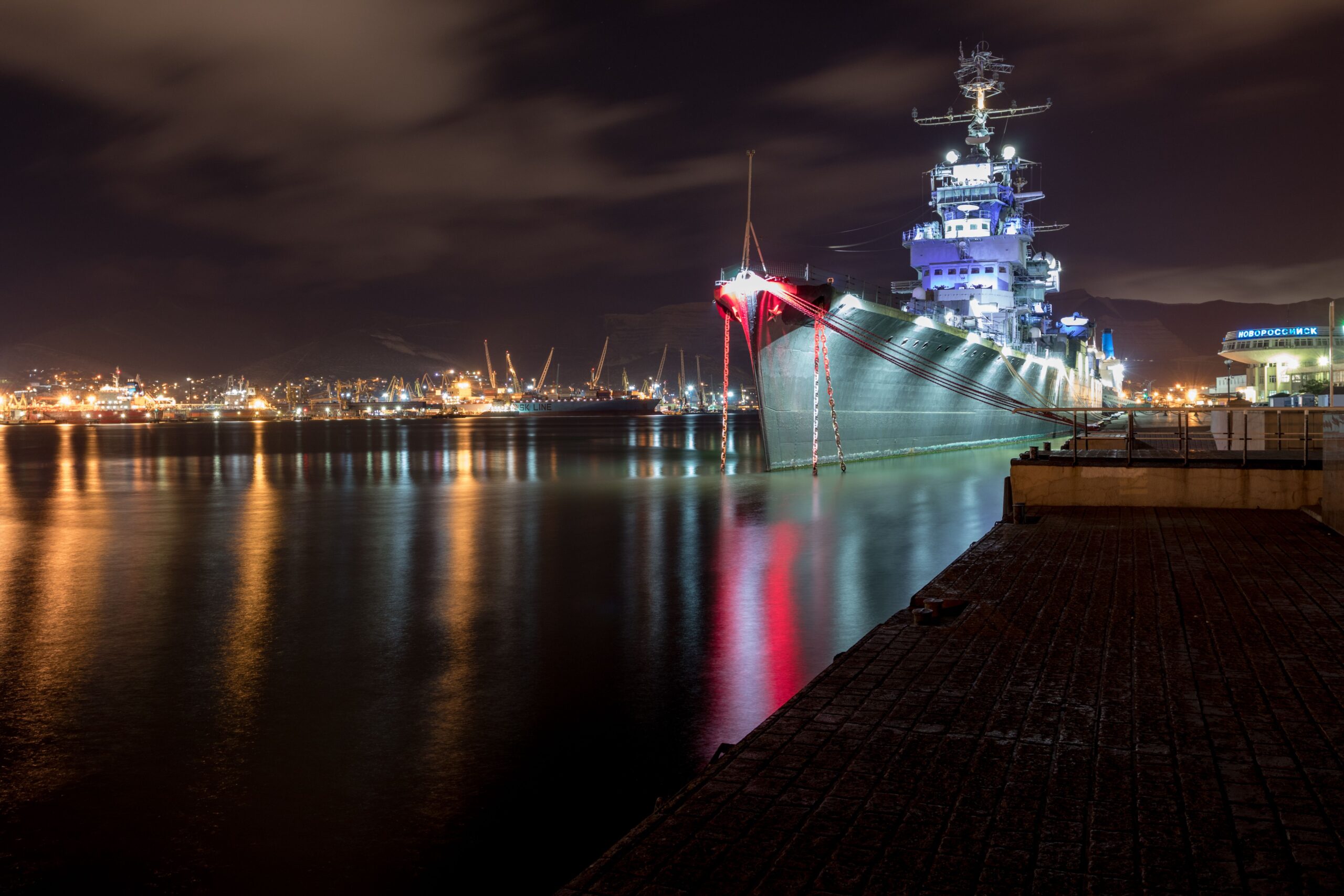
This operation is part of a broader strategy by Ukraine to contest Russian naval dominance and disrupt logistics. In June, another Russian missile corvette, the Boikiy, was seriously damaged by Ukrainian aerial drones while docked in St. Petersburg. Furthermore, Ukrainian strikes on dozens of Russian-linked tankers and cargo ships in the Sea of Azov in July forced Russia to severely restrict resupply runs by sea. Throughout 2026, Ukraine has also intensified mid-range drone strikes targeting Russian roads and railways along the limited land-based supply corridors connecting Russia to the occupied Crimean Peninsula. By striking the Merkury in Libya, Ukraine has demonstrated the ability to project kinetic power far beyond the immediate theater of war, targeting Russian assets in support of its proxies in North Africa.
The attack has triggered significant diplomatic and strategic repercussions. The internationally recognized government in Tripoli condemned the strike, stating in a Facebook post that Libya would not accept being drawn into the Russia-Ukraine war. The Libyan Foreign Ministry emphasized that the conflict gives neither side the right to conduct military operations on Libyan territory or in its territorial waters, asserting that sovereignty and territorial integrity are non-negotiable. Prime Minister Osama Hammad of the eastern Libyan government submitted an investigation request to the United Nations General Assembly and Security Council. Meanwhile, Kremlin spokesman Dmitry Peskov described Ukraine’s attacks as a “very dangerous trend,” though he did not specify retaliatory measures in the available reporting.
Strategically, the incident highlights the vulnerabilities of the Russian Navy, which nominally remains one of the world’s leading navies but faces growing challenges from asymmetric drone warfare. The deployment of the Merkury to Libya was part of Moscow’s effort to shift attention to North Africa as a potential new site for military infrastructure, particularly after the fall of the Russia-aligned regime in Syria in 2024. However, the loss of the corvette in a foreign port raises questions about the security of Russian naval deployments and the effectiveness of host-nation protection. As Ukraine continues to expand its “long-range sanctions” attacks on Russian vessels from the Baltic to the Mediterranean, the incident in Benghazi marks a pivotal moment in the geographic scope of the war, with immediate consequences for regional security and the stability of Libya’s divided governance structures.