
The rejection has moved the standoff from the diplomatic back channels into the realm of public confrontation. In response to the rejected offer, Trump stirred significant controversy by renaming the waterway the “Trump Strait.” This rhetorical maneuver underscores a shift in the tone of the negotiations, moving away from technical diplomatic language toward a more personalized stance that reflects deep distrust and a willingness to consider military escalation.
The central issue remains the status of the Strait of Hormuz, a narrow passage that serves as a critical chokepoint for global oil and gas shipments. Iran’s foreign minister warned that normal maritime traffic could be restored in seven days if the United States accedes to certain demands. However, the precise nature of these demands and the conditions under which they were tabled remain part of the broader negotiation framework. The US position, as articulated by State Department Spokesman Tommy Pigott, is that President Trump “holds all of the cards” in talks with Tehran, suggesting a belief that Washington’s economic and military leverage outweighs any immediate concessions Tehran might offer.
Strategic Leverage and Maritime Security
The Strait of Hormuz is not merely a geographic feature; it is a linchpin of global energy security. Disruptions in this waterway have historically caused immediate spikes in oil prices and global market volatility. Iran’s leverage stems from its geographic position, allowing it to threaten the flow of energy to major economies. Conversely, the US leverage is rooted in its naval dominance and economic sanctions capacity. The US refusal to accept the seven-day timeline indicates a strategic calculation that immediate compliance by Tehran is not a viable path to a sustainable peace or a stable maritime environment.

Trump’s voice of distrust regarding the possibility of normal traffic restoration suggests that the administration views the Iranian offer as insufficient or insincere. By suggesting a potential military escalation, the US signals that diplomatic pressure alone may be deemed inadequate to ensure the security of international shipping lanes. This stance complicates the deterrence landscape in the region, as it raises the stakes for any miscalculation by either side.
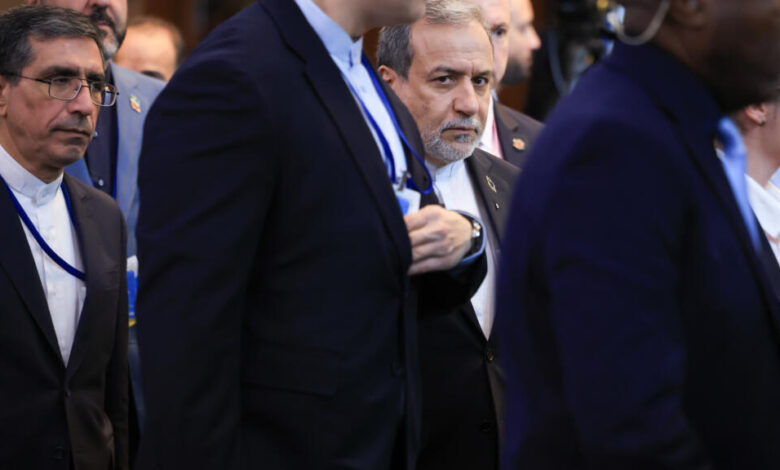
The interaction between Witkoff and Araghchi at the UN gathering highlights the parallel tracks of diplomacy and coercion currently in play. While the UN forum provides a stage for high-level engagement, the substance of the negotiations is heavily influenced by the power dynamics outside the conference hall. The US assertion that it holds the “cards” reflects a confidence in its ability to dictate the terms of any eventual agreement, potentially limiting Iran’s ability to secure favorable concessions without significant compromises.
Uncertainties and Regional Implications
What remains disputed is the actual feasibility of the seven-day timeline and the specific conditions Iran is demanding. Without verified details on these preconditions, it is difficult to assess whether the proposal was a genuine diplomatic overture or a tactical move to delay further US action. The US rejection does not necessarily close the door to all negotiations, but it signals a hardening of positions. The renaming of the strait, while largely symbolic, serves as a public marker of this hardening, intended to rally domestic support and project strength to adversaries.

For regional security, the stalemate poses risks to neighboring states that rely on stable shipping lanes. The potential for military escalation, as hinted at by Trump, introduces a new variable into the regional deterrence equation. Alliances in the region may find themselves drawn into a more complex security environment where diplomatic windows are narrowing. The immediate military objective for the US appears to be maintaining freedom of navigation and preventing Iran from using the strait as a bargaining chip for broader geopolitical gains.
The situation returns to the core of the dispute: the control and security of the Strait of Hormuz. As the US holds firm on its rejection of the seven-day plan, the next confirmed development will likely involve either a revised diplomatic proposal from Tehran or a further demonstration of US military and economic pressure. The “Trump Strait” designation, while controversial, has cemented the personal nature of the conflict, making it a defining feature of the current geopolitical landscape.