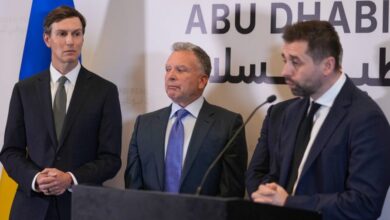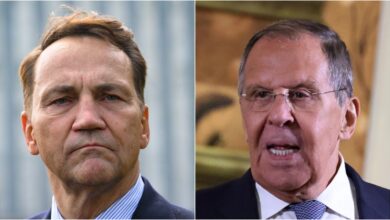

The mechanism of delivery is as significant as the content. By routing the proposal through Qatar, both Washington and Tehran navigate the complex web of regional alliances and the intense scrutiny of global markets. Qatar’s role as a mediator is well-established, serving as a neutral platform where sensitive negotiations can proceed without the immediate pressure of direct confrontation. This indirect channel allows for the exploration of terms that might be politically difficult to table in a public forum, preserving domestic faces while testing the waters for a potential agreement.
The proposal itself, while its specific clauses remain the subject of intense analysis by intelligence and diplomatic services, addresses the core friction points of the Iran nuclear issue. The central economic and geopolitical question remains the scope of restrictions on Iran’s uranium enrichment and the corresponding lifting of sanctions. The availability of data on Iran’s nuclear stockpiles and the status of its centrifuges provides the baseline for these negotiations. These technical parameters are not abstract; they determine the timeline for reintegration into the global nuclear energy market and the flow of oil exports, which are critical to the global energy balance.

The affected stakeholders extend far beyond the two primary parties. Households and businesses in the region rely on the stability of oil prices, which are sensitive to any news regarding Iranian nuclear capabilities. A credible proposal could lead to a reassessment of risk premiums in the oil market, potentially affecting energy costs for importers in Asia and Europe. Conversely, the failure of such a proposal to gain traction could lead to renewed tensions, impacting shipping routes through the Strait of Hormuz and increasing insurance costs for maritime trade.
Businesses and governments are responding with cautious observation. Traders are watching for signals that might precede any formal diplomatic breakthrough, while policymakers in allied nations are assessing how such a proposal aligns with broader regional security architectures. The driving forces here are a mix of domestic political pressure within Iran, the strategic objectives of the United States regarding non-proliferation, and the economic interests of regional powers who seek to avoid a direct military confrontation.
However, significant uncertainties remain. The credibility of the proposal and the willingness of the United States to engage substantively are key unknowns. Previous negotiations have often stalled on issues of verification and the duration of limits on Iran’s nuclear activities. The available evidence suggests a desire for dialogue, but the gap between the current positions of both sides remains substantial. The disagreement is not just over the technical limits of the program but over the broader geopolitical bargain, including the role of regional proxies and missile capabilities.
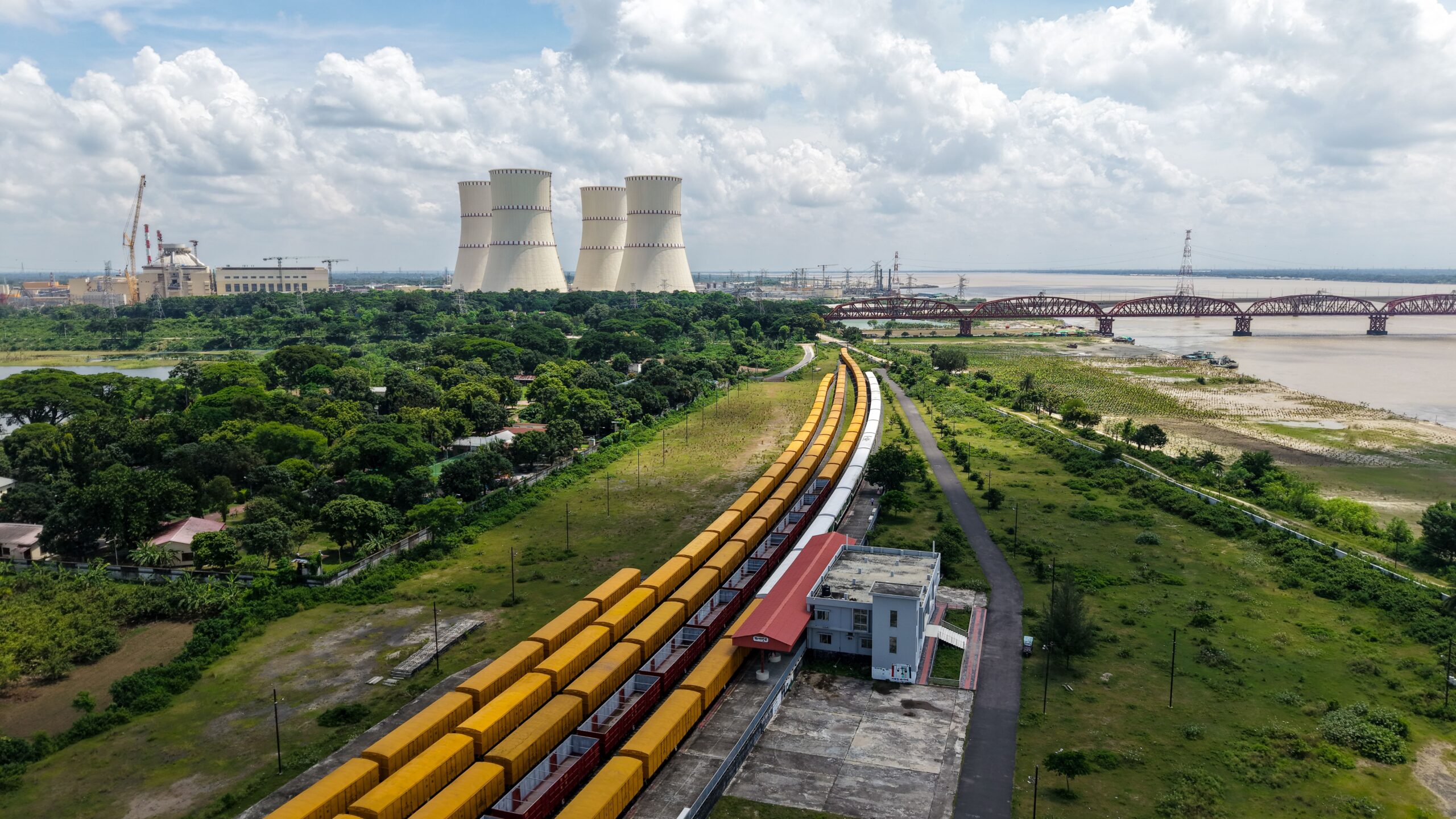
In the near term, the focus will be on the response from Washington. Will the proposal be treated as a serious negotiating document or a diplomatic gesture? The next policy decision to watch is whether the United States will designate a specific channel for counter-offers or public statements. The economic implications will materialize gradually, first in the language of diplomatic cables, then in the pricing of risk in energy markets, and finally in the tangible changes to trade flows if an agreement is reached.
Back in Doha, the role of the Qatari diplomat is to ensure that the message is delivered intact and that the channels remain open. The proposal sits in the hands of the recipients, a document that could reshape the energy and security landscape of the Middle East. The next data point to watch is the official reaction from both capitals, which will clarify whether this proposal is the start of a substantive negotiation or a continuation of the longstanding stalemate. The quiet exchange in Doha remains the most direct link between the two powers, a lifeline for diplomacy in a region where direct contact is often politically untenable.