
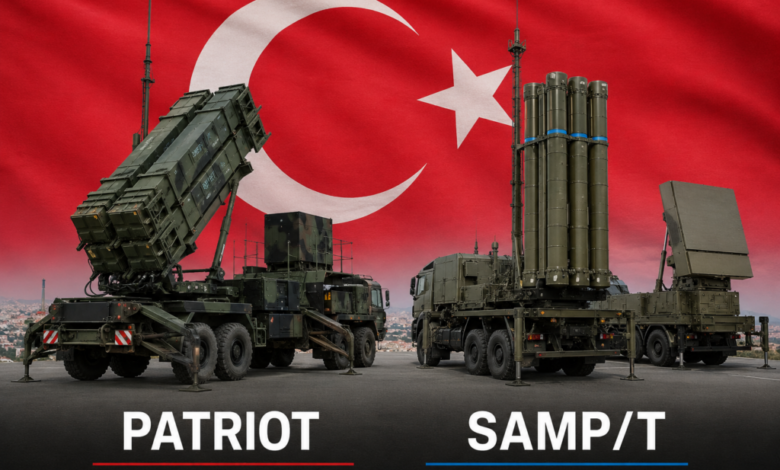
The deliberations mark a distinct departure from the political and military stalemate that characterized Turkey’s missile defense acquisitions between 2017 and 2019. During that period, the dispute centered on a binary choice between the U.S.-made Patriot system and the Russian S-400 Triumf, creating friction within the alliance. Today, Ankara appears determined to construct a diversified multi-supplier defense architecture. This approach is designed to maximize strategic autonomy while minimizing dependence on any single geopolitical bloc or military-industrial ecosystem. By continuing to retain the S-400 in operational status while reopening defense-industrial channels with the United States, France, Italy, and broader NATO structures, Turkish policymakers are maintaining leverage with Moscow without severing ties with Western partners.
Recent days have seen heightened tension due to conflicting reports regarding an active ballistic missile threat. Turkish officials stated that NATO defenses destroyed an Iranian missile, a claim that carries significant implications for regional stability and the potential expansion of hostilities. However, Iran has categorically denied firing a missile toward Turkey. As of this report, the incident remains unverified by independent international observers, and the discrepancy between the belligerents’ accounts highlights the challenges of attribution in the current operational environment. The incident has been cited by analysts as a potential indicator of deficiencies in Turkey’s current anti-ballistic defense posture, though specific technical gaps have not been publicly detailed in official assessments.
Strategically, this procurement movement reflects broader NATO adaptation pressures. The alliance is adapting to a rapidly evolving battlespace characterized by integrated air defense, strategic deterrence, force projection, and high-density precision-strike warfare. European NATO members are increasingly recognizing that excluding Turkey from continental defense-industrial initiatives may weaken alliance missile-defense resilience. Turkey occupies a critical geographic position, controlling key strategic corridors in the Eastern Mediterranean and the Black Sea. Ensuring the integration of Turkish air defense capabilities into the broader NATO architecture is therefore viewed as essential for collective security.
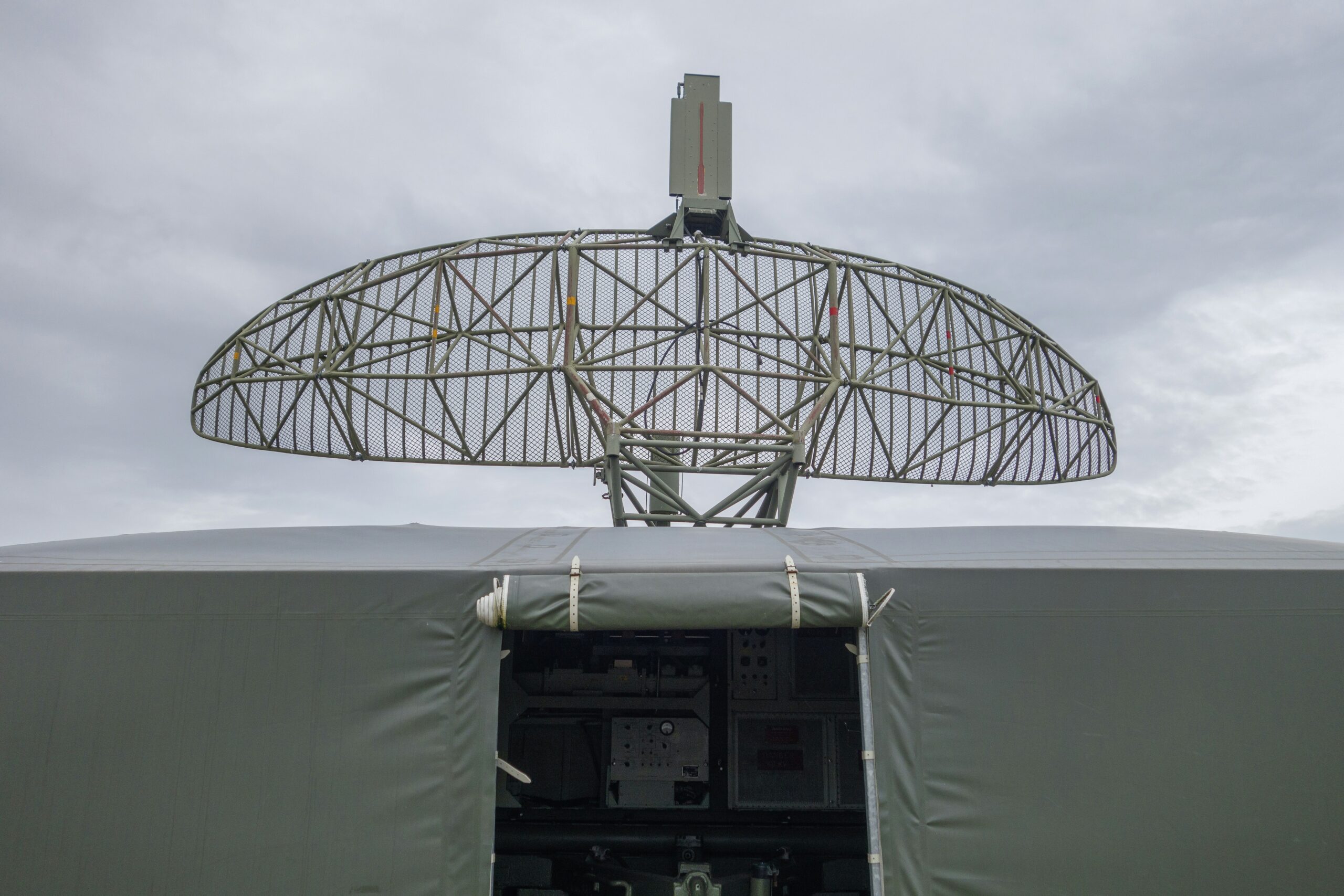
For Ankara, defense procurement is no longer viewed merely as weapons acquisition but as a tool of geopolitical positioning. The goal is to shape industrial partnerships, secure export opportunities, and enhance diplomatic leverage. A critical component of these new negotiations is technology transfer. Ankara seeks to accelerate domestic capabilities in several advanced fields, including Active Electronically Scanned Array (AESA) radar systems, interceptor guidance technologies, command-and-control software, propulsion engineering, and advanced electronic warfare integration. These technologies are central to modern air defense operations, allowing for faster target acquisition, better jamming resistance, and more precise engagement.
The financial scale of these potential procurement pathways is substantial. Modern Patriot or SAMP/T batteries require investments worth several billion U.S. dollars. Such expenditures carry major industrial implications for both Turkey and its potential suppliers. For the defense industries of the U.S. and Europe, securing these contracts would reinforce their role in NATO’s southern flank defense. For Turkey, it represents a significant capital investment in long-term technological sovereignty.
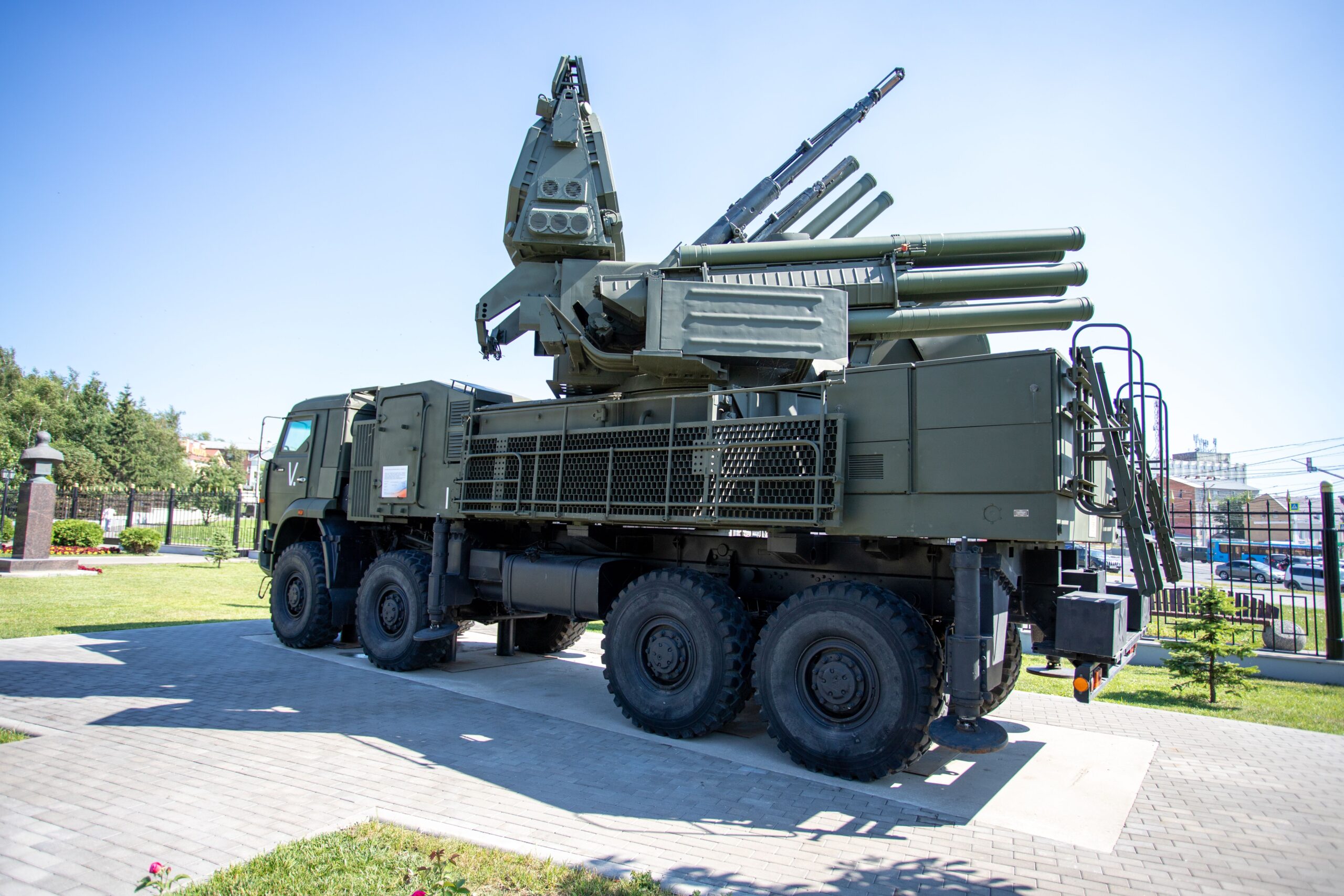
The distinction between stated capability and demonstrated operational performance remains a key analytical focus. While the S-400 has been deployed in Turkey, its integration with NATO command and control structures has been a point of contention. The introduction of Patriot or SAMP/T systems would likely enhance interoperability with allied forces, a factor that becomes critical in high-intensity conflict scenarios where seamless data sharing is required. The current deliberations suggest that Turkish policymakers are prioritizing a layered defense strategy that combines existing assets with new, interoperable systems to address the specific threats posed by modern ballistic missiles and drones.
As the situation remains fluid, the next phase of this development will likely involve detailed technical negotiations between Turkish defense officials and representatives from the U.S. and European defense ministries. Key unresolved questions include the specific configuration of the systems to be acquired, the extent of technology transfer, and the timeline for delivery and integration. The outcome of these talks will not only shape Turkey’s national defense posture but also test the resilience of NATO’s defense-industrial cooperation in an era of heightened strategic competition.