“We’re just keeping it the status quo, and we’re doing that really at the behest of countries that are their neighbours,” Trump told reporters. While he emphasized that the United States remains “locked and loaded” should circumstances change, he framed the current military posture not as preparation for further escalation, but as a deterrent measure to protect regional stability. This declaration comes at a pivotal moment, as Washington appears to be pivoting from direct kinetic operations toward a diplomatic resolution, supported by intense mediation efforts from Gulf states.
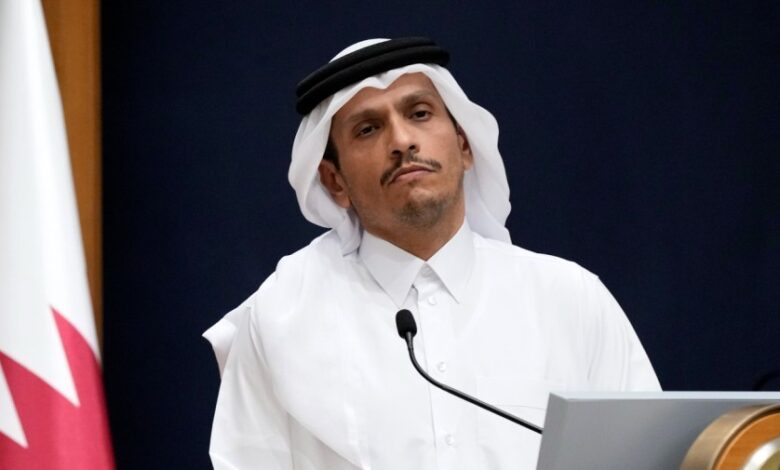
The timing of Trump’s remarks coincides with a meeting in the Oval Office earlier in the day with Qatari Prime Minister Sheikh Mohammed bin Abdul Rahman Al Thani. The two leaders, along with Vice President JD Vance, engaged in what Trump described as an “excellent conversation” regarding negotiations to end the war. In a post to the social platform X, the Qatari Prime Minister corroborated the positive atmosphere, stating that he had held “positive discussions” with the US leadership on “reaching a deal and bringing peace to the region.” Qatar has served as a primary channel for indirect diplomacy between Washington and Tehran since the conflict erupted following joint US-Israeli strikes in February.
The move toward de-escalation follows a bruising set of midterm election results for the Republican Party last week. Senior figures within the administration, including Vice President Vance, have attributed their electoral setbacks partly to the unpopularity of the Iran war among voters. Ahead of these elections, Trump had authorized what he described as “minor strikes” on an Iranian island in the Strait of Hormuz, yet in a Sunday interview with 60 Minutes, he indicated he saw “no reason” to further escalate the conflict. The President’s current stance suggests a strategic calculation to secure a diplomatic victory without incurring further domestic political costs.
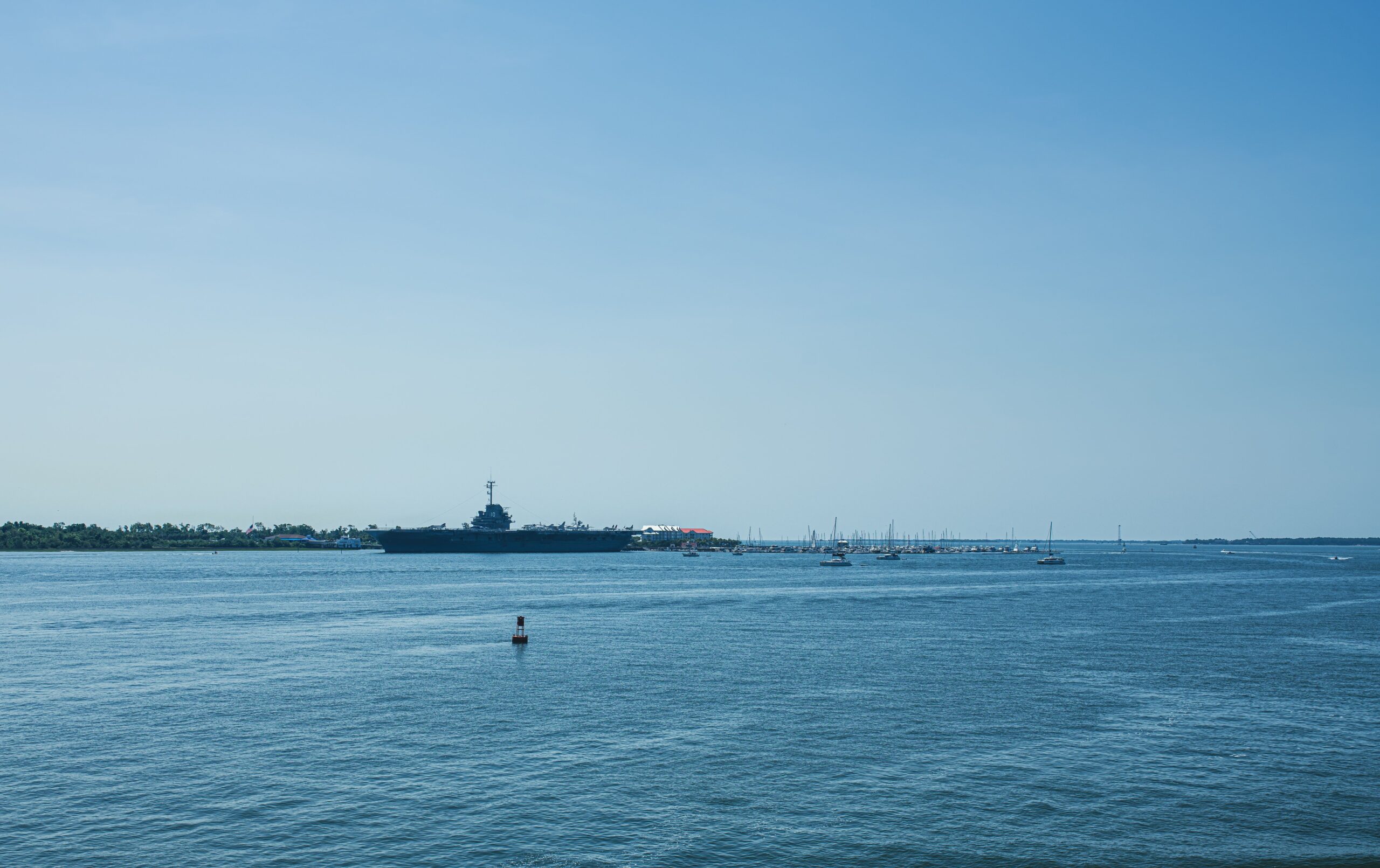
Despite the rhetoric of a military conclusion, the operational reality remains complex. Trump explained that the United States would not formally declare an end to the war because Gulf allies, including Saudi Arabia, the United Arab Emirates, and Qatar, still face the threat of Iranian aggression. “We have some great allies there and we have to make sure they’re not hurt,” he said, pointing to the US naval blockade on Iranian ports as a critical mechanism for regional security. The war has caused significant disruption in the region, with Iranian strikes impacting Gulf infrastructure and leading to major air travel interruptions.
The path to a formal peace remains fraught with skepticism. Iranian officials have repeatedly expressed doubt regarding previous US assurances about resolving the conflict, viewing American statements with caution. For Tehran, the “militarily over” characterization may be interpreted less as a surrender of military capability and more as a pause in US offensive operations, maintaining pressure through sanctions and the continued naval blockade. The US has restricted its active operational footprint to these non-kinetic measures and targeted strikes since July, a strategy that aims to degrade Iran’s capabilities without triggering a broader regional war.

Domestic political pressures are also shaping the trajectory of the conflict. The recent electoral performance has intensified scrutiny of the administration’s handling of the war. This internal friction was highlighted on Monday when Republican Congressman Thomas Massie launched a sharp critique of Defense Secretary Pete Hegseth regarding the conduct of the war. Massie plans to force a vote in the House of Representatives this week to impeach the Defense Secretary, a move that underscores the growing divide within the GOP over the strategic and political costs of the engagement in the Middle East.
As the Qatari delegation departs Washington having secured what both sides termed a “positive” dialogue, the focus now shifts to whether these diplomatic gains can be consolidated into a lasting agreement. The United States maintains that it is acting to protect its neighbors, while Iran remains wary of US intentions. With the military option described as exhausted in the eyes of the White House, the burden of ending the conflict now rests heavily on the indirect channels through Doha, where the next phase of negotiations is expected to unfold.