
Immediate Impact and Casualties
The most severe immediate consequence of the weather event was a fatality in New York, where one person died after being struck by a falling tree. This incident highlights the physical dangers posed by the high winds associated with the storm, which have been responsible for downing trees and power lines across the region. The loss of life underscores the risk to public safety during such extreme weather events, even in established urban environments.
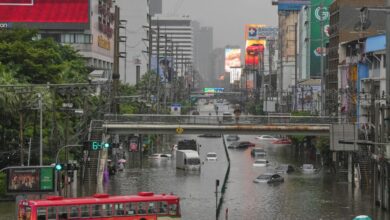
Infrastructure damage has been widespread. More than 100,000 households across the affected areas are without power. The outages are primarily attributed to downed trees and damaged electrical lines, a common occurrence during storms of this magnitude. Emergency response teams remain on standby to address further infrastructure failures and assist residents as the storm continues to unfold.
Travel Disruption
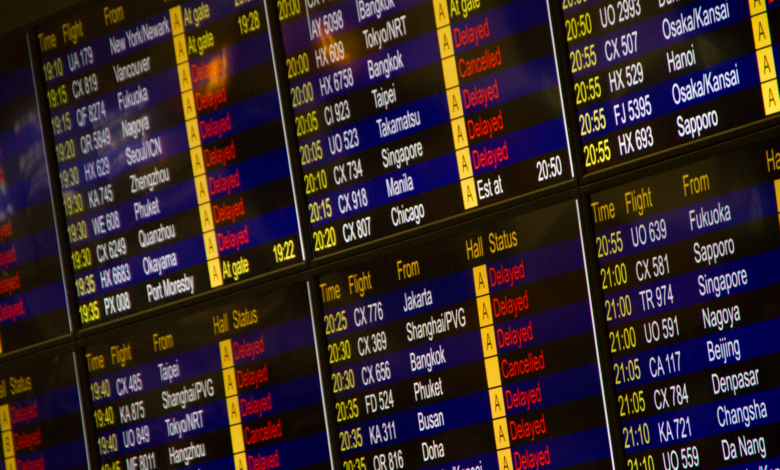
Air travel across the Northeast has effectively come to a standstill. Hundreds of flights have been canceled and thousands more delayed, affecting major hubs including New York, Boston, and Philadelphia. The scale of the disruption indicates that airport operations are overwhelmed by the severity of the weather conditions. For commuters and travelers, this represents a significant interruption to movement and commerce, with many likely facing extended delays or the need to reroute their journeys.
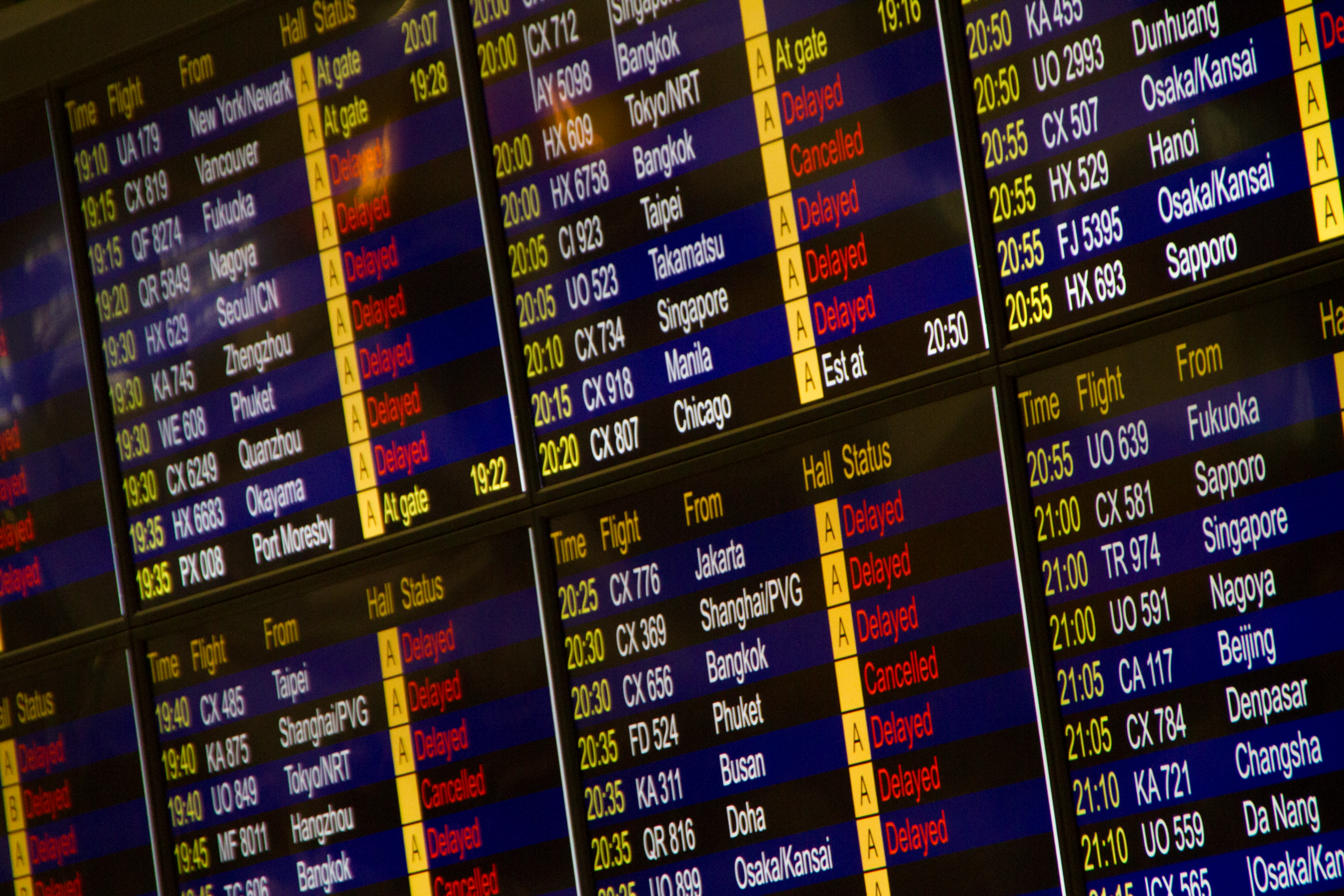
The disruption is not limited to air travel. The combination of heavy rainfall and strong winds has likely impacted ground transportation as well, contributing to the overall chaos described in the region. The extensive nature of the flight cancellations suggests that the storm’s intensity has exceeded the operational thresholds for safe takeoff and landing at major airports.
Coastal Flooding Risks
Coastal regions along the East Coast are on high alert for potential flooding. The storm is driving exceptionally high tides and towering waves, which pose a direct threat to coastal infrastructure and communities. While the immediate focus has been on wind damage and power outages, the risk of storm surge and coastal flooding remains a critical concern for emergency management officials. Residents in low-lying coastal areas are advised to remain vigilant, as these conditions can lead to rapid and dangerous inundation of streets and properties.
The convergence of high tides and storm-driven winds creates a compounding effect that can amplify flood depths beyond what either factor would cause independently. This specific meteorological setup is characteristic of nor’easters, which often bring the dual threats of wind and water to the northeastern United States.
Ongoing Conditions and Future Outlook
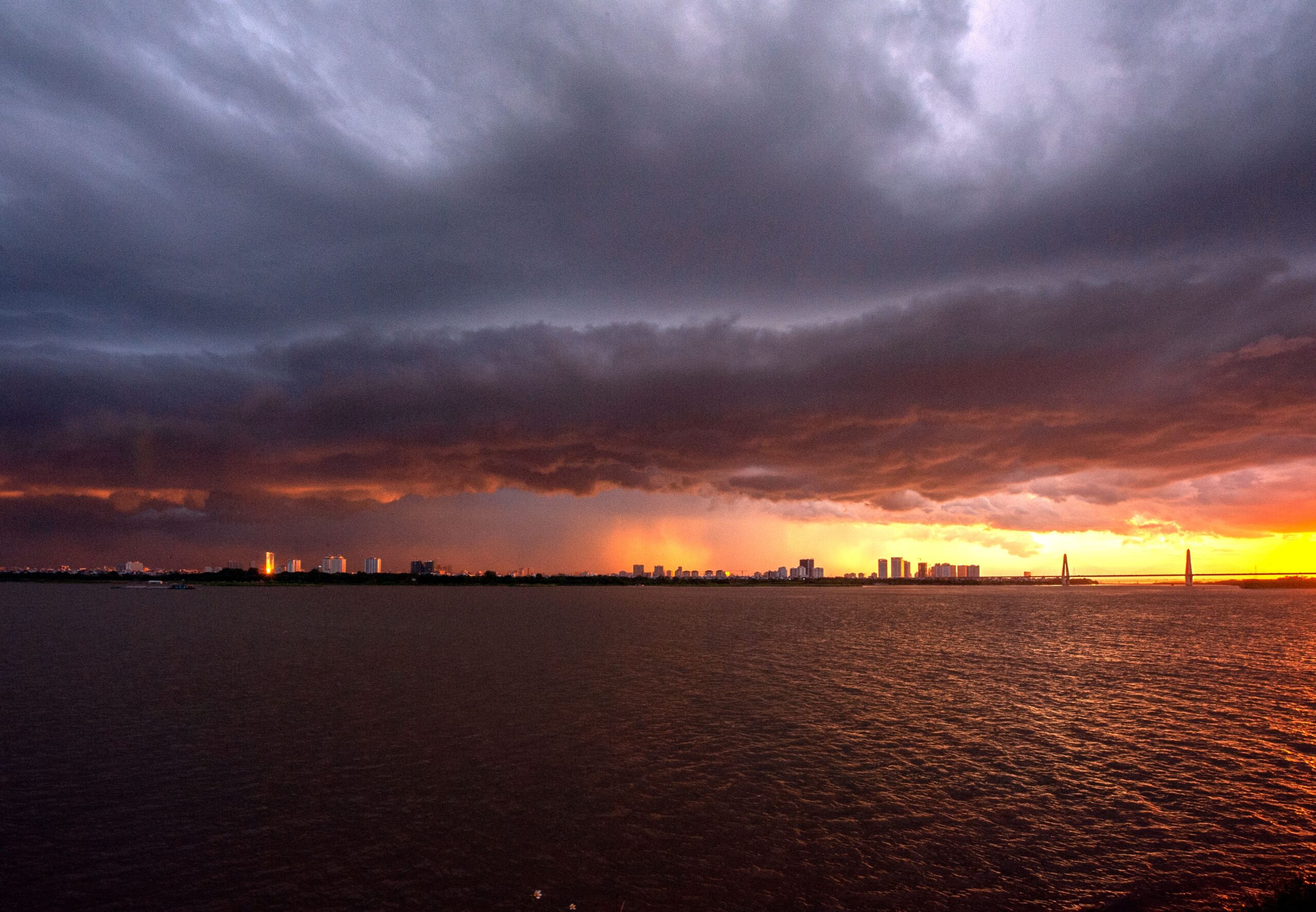
Millions of Americans remain under various weather alerts as the storm system continues to move through the region. The current disruption is part of a broader pattern of severe weather activity, with forecasts indicating that additional storms are expected in the coming days. This succession of weather systems may prolong the impacts on power grids and transportation networks, preventing a rapid return to normalcy.
The event serves as a reminder of the vulnerability of urban infrastructure to extreme weather events. While the current storm is a distinct meteorological occurrence, its impacts—ranging from fatalities to widespread power outages and travel halts—highlight the challenges faced by emergency services and utility companies in maintaining resilience during such periods. As the immediate threat of the current system subsides, the focus will shift to recovery efforts and preparation for the anticipated subsequent weather events.
Authorities continue to monitor the situation closely, issuing updates to the public regarding safety precautions and expected timelines for service restoration. The full extent of the damage may become clearer only after the winds subside and crews are able to fully assess the impact on power lines and other critical infrastructure.