Gerrit Losch, a member of the group’s leadership, stated that “each Christian must decide for himself how his blood will be used in medical and surgical care.” A spokesperson for the group added that “our core belief regarding the sanctity of blood remains unchanged.” The organization, which claims nine million members worldwide and 144,000 in the UK, has historically cited Old and New Testament commands to abstain from blood as the basis for its uniform ban.
The policy shift arrives weeks after the death of Isaac Valdez, a 26-year-old who reportedly refused transfusion-related treatment. The change has drawn criticism from some former members who argue it does not go far enough. Mitch Melin, speaking to the Associated Press, noted that the policy does not grant “complete freedom of conscience” in emergencies involving significant blood loss or for children requiring multiple transfusions for conditions such as cancer.
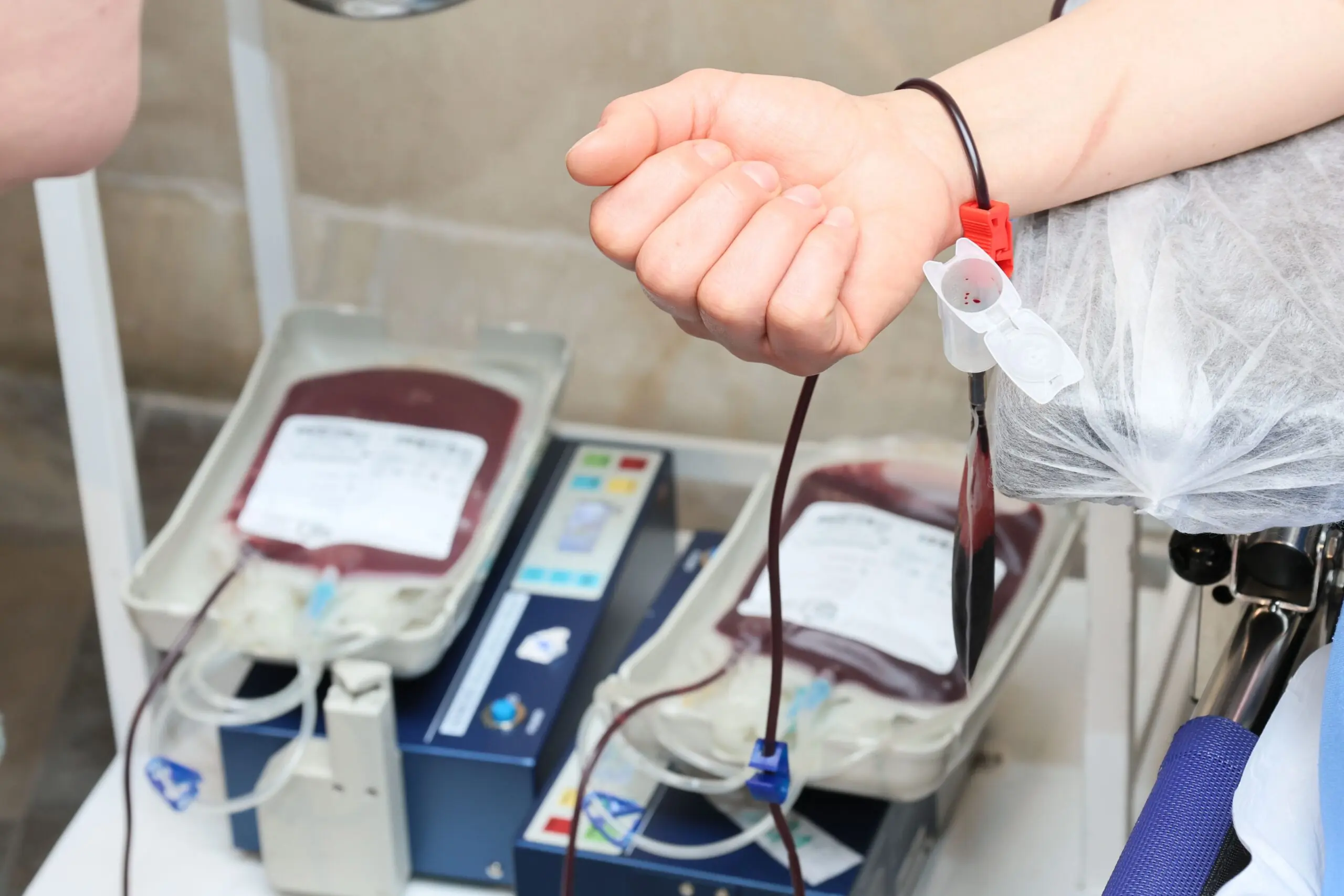
This development intersects with established human rights jurisprudence, particularly regarding patient autonomy. In Jehovah’s Witnesses of Moscow and Others v. Russia (2010), the European Court of Human Rights rejected the premise that state interests in health automatically override competent adults’ rights to determine their medical treatment. The Court emphasized authentic personal choice, finding that authorities had not justified restrictions on the religious community based on allegations of encouraging transfusion refusal. While international standards protect adult autonomy, domestic legal systems retain responsibility for applying these principles within their specific jurisdictions.
Legal precedents further distinguish between adult and minor patients. In In re Brooks’ Estate (Illinois, 1965), the Illinois Supreme Court ruled that a competent adult’s religious refusal of treatment could not be overridden by a court-appointed conservator. Conversely, recent rulings in Scotland illustrate the differing standard for minors. In December 2025, an Edinburgh court granted an order allowing doctors to transfuse a 14-year-old Jehovah’s Witness if her life were at risk following an operation. Judge Lady Tait ruled in the child’s best interests, giving “appropriate weight to her views” but prioritizing the preservation of life for the minor.

The new policy represents a move from a centrally imposed ban to a framework of individual autonomy. While it resolves long-standing bioethical conflicts for adult patients who may accept blood components while refusing whole blood, it does not alter the prohibition on whole-blood transfusions. The immediate legal consequence is that clinicians must now navigate individual patient decisions rather than applying a uniform organizational mandate, except in cases involving minors where state intervention may be permitted to preserve life.