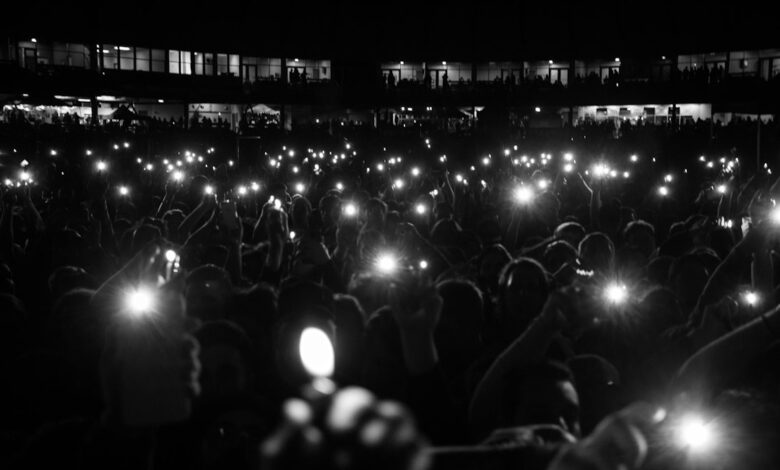
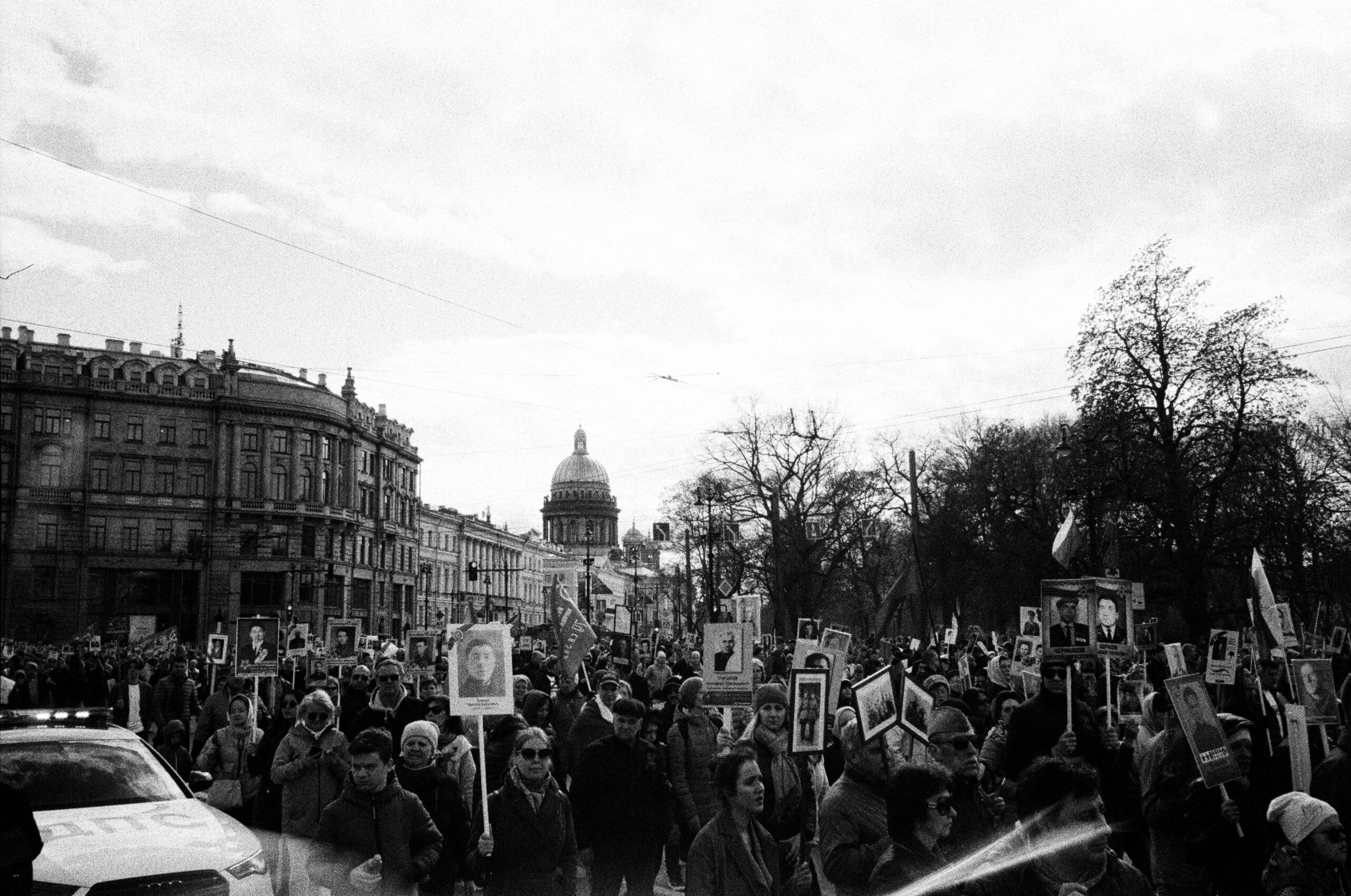
The march served as a non-verbal protest, with participants observing silence as they walked through the streets of Krakow. By joining the demonstration, President Nawrocki and Prime Minister Tusk signaled a temporary suspension of their political rivalry to address a shared national tragedy. The presence of both leaders at the same event underscores the gravity of the situation and the impact of the shootings on Polish society.
This development is significant as it marks one of the few public instances where the President and the Prime Minister have appeared together in a non-ceremonial, politically charged context. While the two often find themselves on opposite sides of the political spectrum, the “March of Silence” provided a platform for joint mourning and support for the victims’ families.
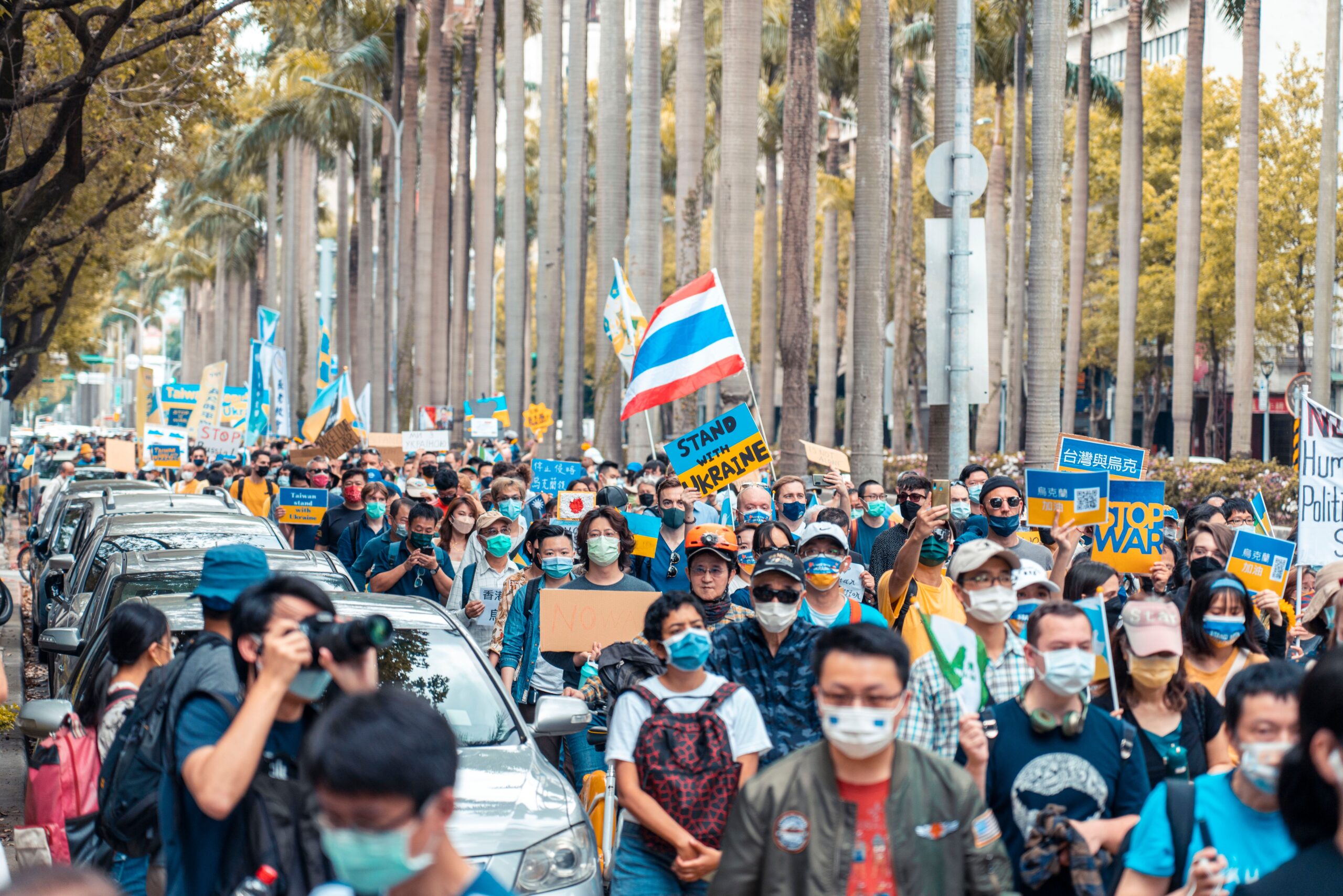
The event in Krakow draws attention to the ongoing issue of gun violence and its aftermath in Poland. Although the specific details of the shootings that prompted the march are not detailed in this report, the scale of the participation, including top leadership, indicates a widespread public demand for acknowledgment and action.
As of this report, no further official announcements or policy changes have been announced by either the presidential or prime ministerial offices directly resulting from the march. The focus remains on the commemorative aspect of the event and the support for those affected by the violence.
Observers will watch for any follow-up statements or initiatives from the government in the coming days. The “March of Silence” stands as a pivotal moment of unity in an otherwise divided political environment, prioritizing the human cost of recent events over partisan differences.