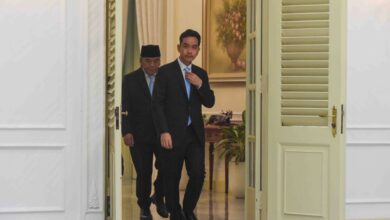
According to the State Secretary, Prasetyo Hadi, Gibran expressed his intention to resign during a meeting with President Prabowo on Monday. However, Hadi clarified that no formal resignation letter had been submitted, and the government confirmed that Gibran remains in office and is continuing to perform his official duties. The uncertainty surrounding the vice president’s status has placed President Prabowo in a delicate position. Under Indonesia’s constitution, a vice-presidential vacancy would require the president to nominate two candidates, with the People’s Consultative Assembly (MPR) selecting a replacement within 60 days.
The political fallout has been immediate and visible within the cabinet. On Monday night, Forestry Minister Raja Juli Antoni announced his resignation from his position as secretary-general of the Indonesian Solidarity Party (PSI). “There is only one reason: I want to [serve] full time and fully concentrate on assisting President Prabowo Subianto [in my role] as forestry minister,” Antoni stated. Concurrently, Deputy Culture Minister Giring Ganesha and Deputy Population Minister Isyana Bagoes Oka canceled their nearly decade-long memberships in the PSI. These resignations signal a strategic distancing from Gibran by high-ranking officials, who are pledging loyalty directly to President Prabowo.
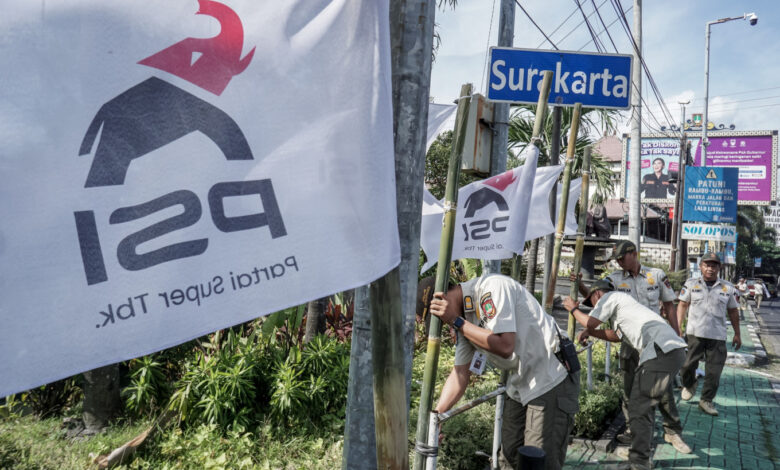
The PSI, which is chaired by Kaesang Pangarep, the youngest son of former President Jokowi, has become the lone voice openly opposing the growing calls for Gibran’s impeachment. Although the small, relatively young party holds no seats in the House of Representatives (DPR), it has played a pivotal role in the controversy. Jokowi himself is a member of the PSI, while Gibran is not a member of any political party. The party endorsed the presidential ticket of Prabowo and Gibran during the 2024 election, a decision that has now become a point of significant political friction.
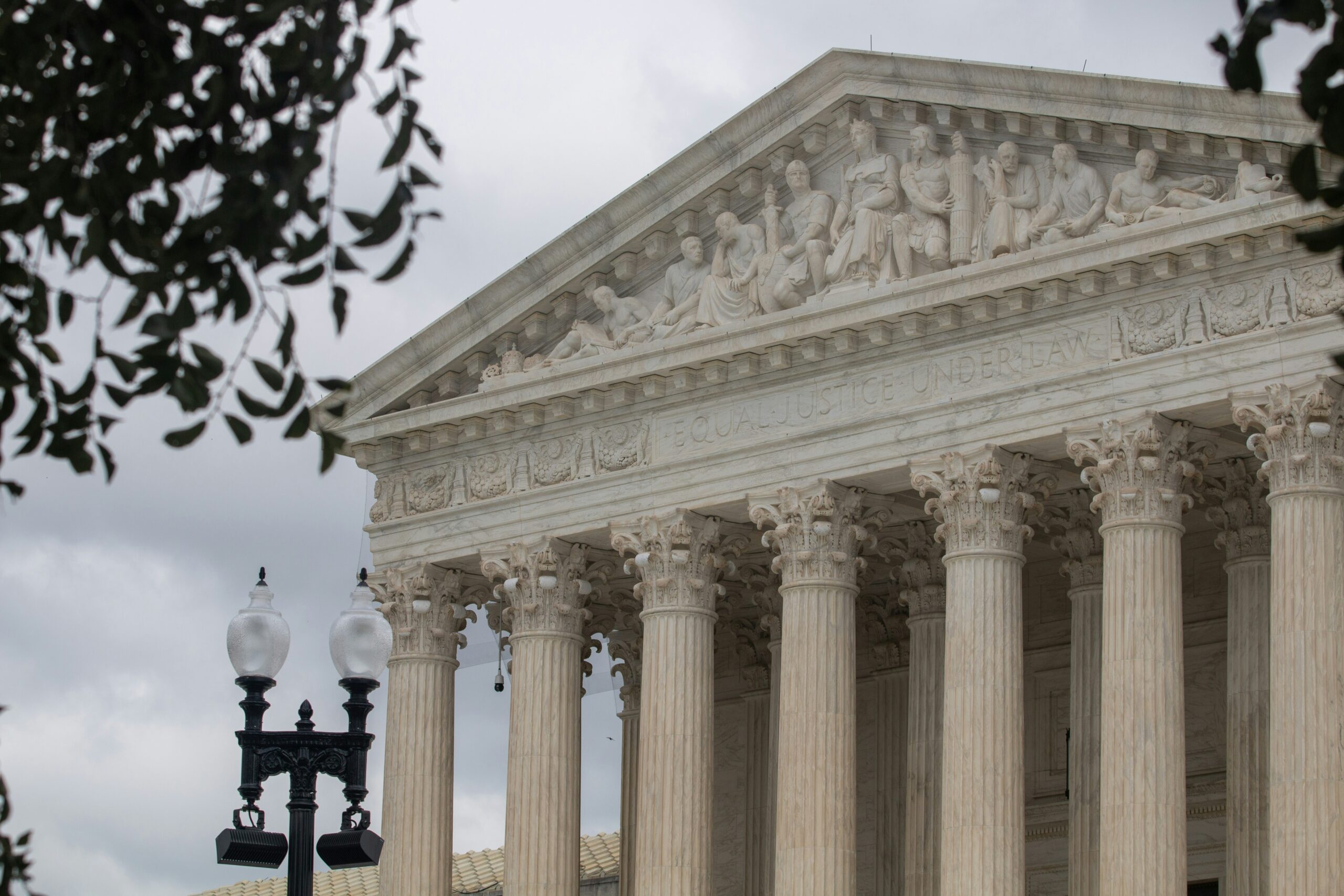
The legal basis for the crisis stems from a series of court decisions. Initially, the Constitutional Court allowed Gibran to contest the 2024 election despite being below the minimum age of 40, a decision made by a court whose then-chief justice was Gibran’s uncle and was subsequently found to have breached ethics rules. Later, the Constitutional Court found insufficient evidence regarding Gibran’s secondary school qualifications but dismissed a broader challenge to his eligibility on procedural grounds. Most recently, the Supreme Court invalidated a certificate recognizing Gibran’s overseas education as equivalent to Indonesian secondary schooling, raising fundamental questions about his eligibility for public office.
In response to the legal setbacks, approximately 50 lawmakers have submitted a parliamentary motion that could pave the way for impeachment proceedings. The House of Representatives is set to hold a sitting session on Tuesday to decide on the vice president’s fate. Gibran, however, appears unwilling to concede defeat. He told reporters that President Prabowo, whom he regards as a father figure, had encouraged him to pursue further legal action. Political commentator Lukas Luwarso suggested that the resignation offer may be a tactical maneuver. “He seemed to be testing the waters, which means he still wants to cling on to his vice-presidency and won’t give it up without a fight,” Luwarso said.

Analysts warn that Gibran’s potential departure could complicate the internal dynamics of Prabowo’s seven-party coalition. Rendy Pahrun Wadipalapa, a political scientist at Indonesia’s National Research and Innovation Agency, noted that competing interests among coalition partners could lead to a contest for the vice-presidency. “Parties inside the governing coalition would have reason to bid for the post, and elites who accepted Gibran’s place on the old ticket might now press their own claims,” Wadipalapa said. Potential successors mentioned in political discourse include Parliamentary Speaker Puan Maharani, daughter of former President Megawati Sukarnoputri, and Democratic Party Chairman Agus Harimurti Yudhoyono, son of former President Susilo Bambang Yudhoyono.
The crisis also represents a significant setback for former President Jokowi, whose support was instrumental in Prabowo’s 2024 victory. Jokowi’s political standing has been further pressured by the arrest of former police chief and political ally Listyo Sigit Prabowo over allegations of illegally wiretapping the president. Marcus Mietzner, a political scientist at the Australian National University, questioned whether removing Gibran would ultimately benefit Prabowo, warning that it could open fresh divisions within the coalition rather than resolving the current instability. As the House convenes, the outcome of the session will determine whether Gibran faces formal impeachment proceedings or if the political crisis remains in a state of limbo, with the vice president technically in office but his mandate increasingly contested.