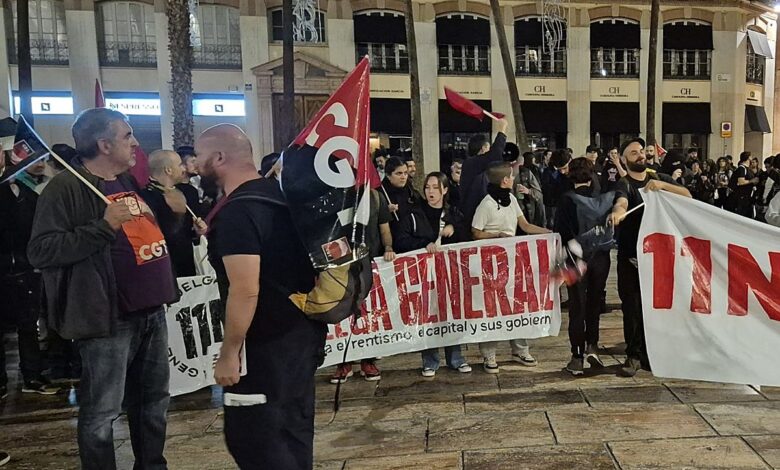
The day’s events in Malaga commenced with a mass assembly of approximately 250 activists in Plaza de la Constitución. This location had served as the focal point for recent housing protests, specifically following the eviction of local resident Maricarmen Abascal. From the plaza, pickets marched through the historic center, chanting slogans against property speculation and urging late-night hospitality venues to close. While the majority of these initial interactions remained peaceful, tensions escalated near Calle Mártires when an unidentified substance was thrown into the eyes of several picketers from inside a nightspot. The incident required medical treatment for the injured individuals and prompted legal complaints, illustrating the friction between the striking workforce and the commercial establishments called to close.
As dawn approached, the protest activity shifted toward key logistical and transport hubs. By 4 a.m., picket lines converged at the Mercamalaga wholesale market, where union leaders from the Confederación General del Trabajo (CCOO) and the Unión General de Trabajadores (UGT) briefed arriving lorry drivers on the strike’s objectives. These objectives include specific demands for wage increases, reductions in working hours, and the implementation of robust safeguards for affordable housing. This union-led coordination highlights the dual nature of the strike, which was organized jointly by housing activists and major trade union federations, linking broader labor rights with the immediate crisis in the Spanish housing market.
The most severe clashes of the early morning occurred shortly after the market briefing, at the headquarters of the Empresa Malagueña de Transportes (EMT), the city’s bus company. Around 200 protesters, accompanied by political figures including Toni Valero of Frente Amplio and Nico Sguiglia of Podemos, blocked the main gates of the depot. Their objective was to prevent early-morning buses from departing, thereby halting the city’s primary public transport network. In response, National Police units equipped with riot gear charged the crowds. Police used batons to clear a corridor, enabling minimum-service vehicles to exit the depot. This confrontation underscores the legal and logistical complexities of the strike, as authorities attempted to balance the right to protest with the obligation to maintain essential public services.
The political significance of the November 11 general strike extends beyond immediate labor disputes to address a deepening crisis in Spanish public services and the housing sector. The involvement of political figures such as Valero and Sguiglia from left-wing parties indicates a convergence of trade union agendas with broader political movements advocating for structural economic reforms. The strike is part of a wider pattern of industrial action in Spain, with similar disruptions reported in other regions. For instance, in València, the General Workers’ Union (CGT) began pickets specifically focused on the housing strike, demonstrating the geographic spread and sector-specific variations of the national campaign.
The ripple effects of the industrial action have also impacted the international tourism sector. Reports indicate that the luxury cruise ship MSC Seaview cancelled its scheduled call in Ibiza ahead of the general strike. This cancellation highlights how domestic labor disputes in Spain can have immediate consequences for the tourism industry, a vital component of the national economy. The decision by the cruise line to alter its itinerary suggests that the strike’s presence is significant enough to disrupt normal operations in major tourist destinations, adding an economic dimension to the social and political protest.
Throughout the day, the strike actions in Malaga were designed to cover multiple sectors and demographics. Morning actions focused on the city’s western district, with participants departing from the Huelin/Princesa metro station at 7 a.m. The protest was scheduled to join a walkout by students and teachers outside the Andalusian Regional Government’s Education Delegation at midday. This integration of educational workers into the strike expands the scope of the action beyond traditional industrial and service sectors, suggesting a broad coalition of public and private sector workers united by common economic concerns.
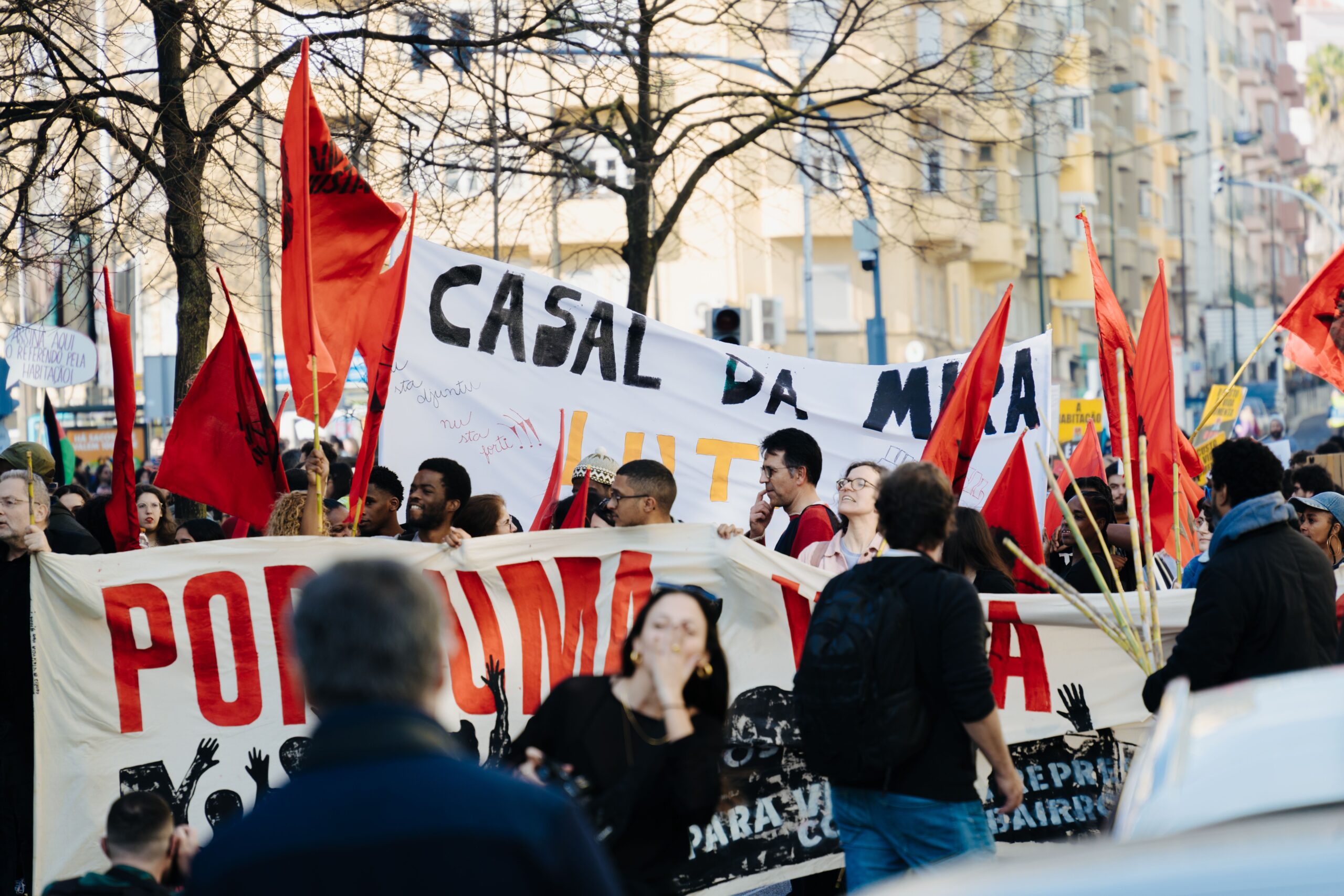
The general strike represents a significant test for Spanish governance and the relationship between the state, labor unions, and the public. The demands for affordable housing and fair wages reflect widespread dissatisfaction with current economic conditions and the cost of living. The police response in Malaga, involving baton charges and the clearing of transport depots, demonstrates the state’s approach to managing large-scale industrial disruption. While the authorities permitted minimum-service vehicles to operate, the initial blocking of the bus depot by protesters and political figures indicates a hardline stance by some strike organizers, willing to confront law enforcement to maximize the impact of the action.
The outcome of the November 11 general strike will likely influence future labor negotiations and political discourse in Spain. The participation of diverse groups, from housing activists to teachers and bus drivers, suggests that the issues at stake are perceived as systemic rather than isolated. As the day’s actions continued, with further marches planned in the afternoon, the focus remained on achieving tangible concessions from employers and the government. The cancellation of the MSC Seaview’s Ibiza stop and the police confrontations in Malaga serve as immediate markers of the strike’s reach and intensity, setting the stage for a prolonged period of social and political debate over the future of wages, housing, and public services in Spain.