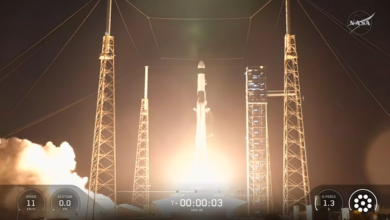

The mission, launched from the SpaceX Starbase facility in Texas, was originally designed as a roughly 10-hour test intended to carry the spacecraft around Earth six times. However, the flight encountered an early technical challenge when one of the rocket’s engines failed during the ascent phase. This loss of propulsion momentarily threatened the mission’s primary objective of reaching orbit. After a period of assessment, flight controllers determined the remaining systems were sufficient to proceed, declaring the spacecraft “go” for orbit.
Approximately 26 minutes after liftoff, Starship successfully completed its orbital burn using a single Raptor engine. Mission Control confirmed the achievement with the announcement, “Starship is orbital,” prompting cheers from the engineering team. The successful insertion into orbit validated the vehicle’s capability to reach space, a prerequisite for its future operational roles.
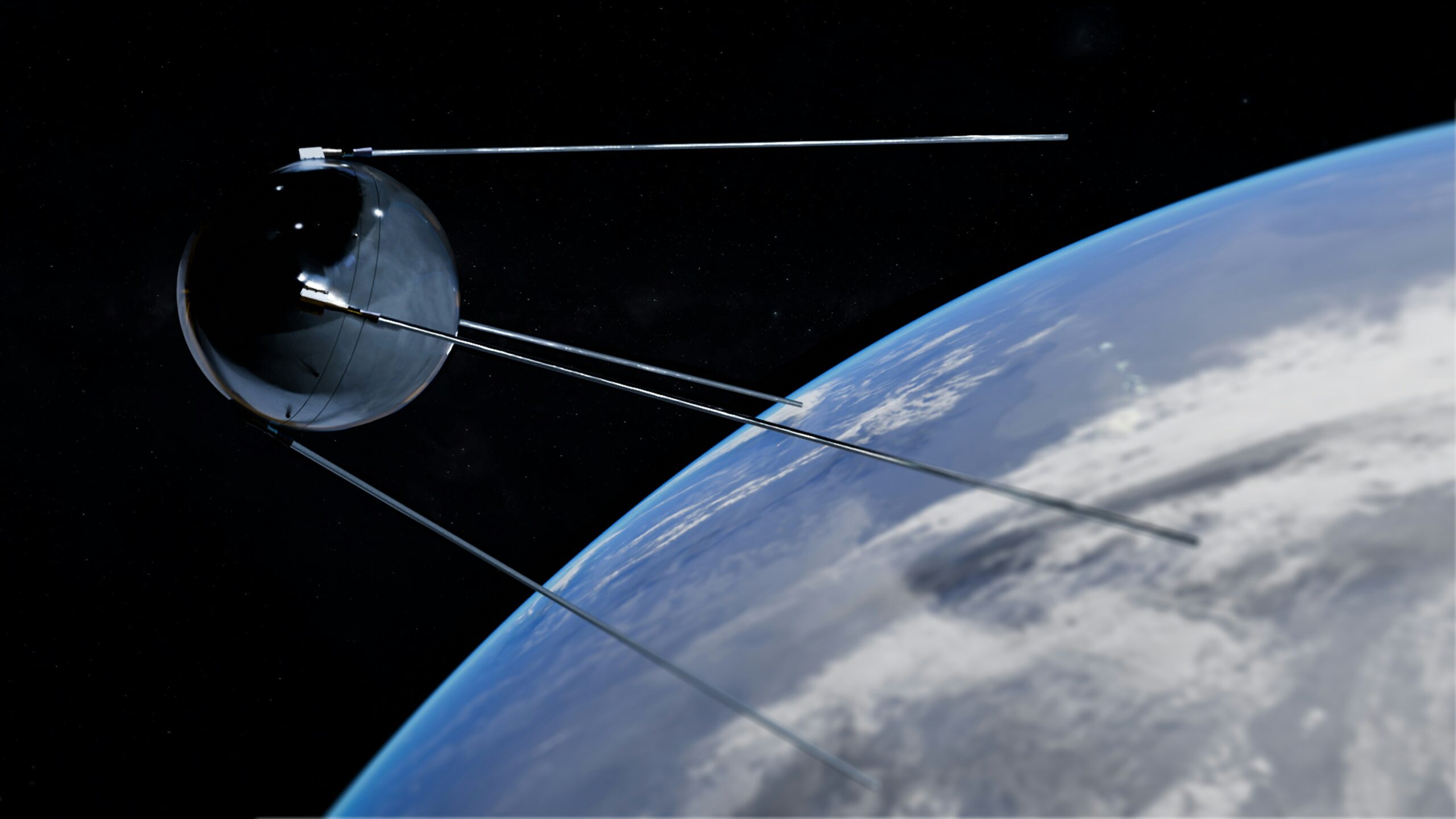
A key component of this test flight was the deployment of 26 Starlink V3 satellites while in orbit. SpaceX CEO Elon Musk confirmed on social media that the deployed satellites were operational and functioning as intended. This demonstrated not only Starship’s orbital capability but also its utility as a heavy-lift platform for deploying large constellations of communication hardware. The successful deployment and operation of these satellites provide concrete evidence of the spacecraft’s readiness for commercial and communication payloads.
Following the orbital phase, the mission was concluded earlier than the original plan. While the initial intent was to maintain orbit for about three hours before deorbiting, the flight teams decided to end the mission around noon local time. Starship executed a landing burn and subsequently splashed down in the Pacific Ocean near Hawaii. Separately, the Super Heavy v3 booster completed its flight profile and performed a simulated landing burn before splashing down off the coast of Texas.
The successful orbital flight represents a major progression in the Starship program’s development timeline. Previous iterations of the vehicle have focused on testing ascent, reentry, and splashdown capabilities in suborbital trajectories. Achieving orbit expands the vehicle’s scope to include high-altitude testing and payload deployment. This development is significant for NASA, which is considering a future version of Starship as a lunar lander for crewed missions, and for SpaceX’s longer-term ambitions to establish a fleet of Starships capable of transporting humans to Mars.

The early termination of the orbital phase, while not a failure of the primary objective, suggests that the flight teams exercised caution or encountered operational constraints that necessitated an early deorbit. The specific reasons for the shortened duration were not detailed in the provided materials, but the successful execution of the orbital burn and satellite deployment confirms the core technical goals of Flight 14 were met. The loss of an engine during ascent highlights the engineering challenges of operating such a large and complex system, but also demonstrated the vehicle’s redundancy and the flight controllers’ ability to manage anomalies in real-time.
With Starship now confirmed to be operational in orbit, the next phase of testing will likely involve longer-duration orbital flights, more complex payload operations, and potentially crewed simulations. The successful deployment of the Starlink V3 satellites also sets the stage for Starship to become a primary workhorse for expanding the Starlink network. As the program advances, the focus will shift from proving basic orbital capability to refining the reliability and efficiency of the vehicle for both commercial and crewed spaceflight applications.