
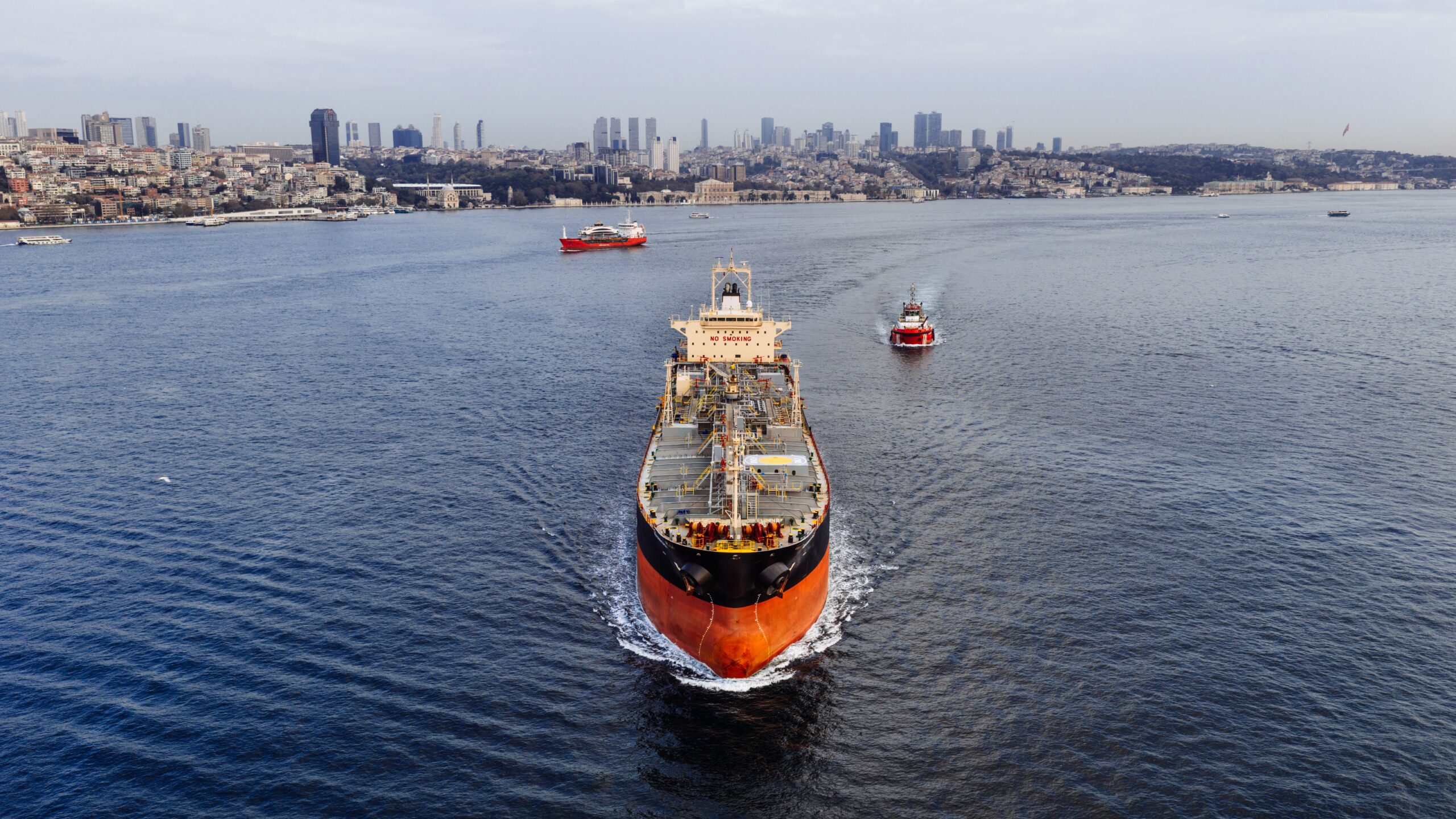
The war began after the United States and Israel launched a large-scale attack on Iran. For months, the situation has remained in a state of suspended animation, punctuated by sporadic engagements rather than full-scale warfare. A 60-day memorandum reached in June had reduced the intensity of fighting, but this agreement expired last month. In its absence, attacks around the Strait of Hormuz have intensified. The strait, a narrow waterway linking the Gulf to the Arabian Sea, is a critical artery for global commerce, carrying approximately one-fifth of the world’s total oil consumption. Iran’s claim of “control” over this waterway is not merely rhetorical; it is a strategic lever that Tehran is actively employing to pressure Washington.
Operationally, the situation on the ground—and at sea—remains volatile and somewhat opaque. This week, US media reported an attack on Iran’s Qeshm Island, located in the Strait of Hormuz. President Donald Trump confirmed that a new attack had occurred in Iran. Iranian state television reported two explosions on the island, and local news agency Tasnim reported that two missiles were fired at the location. However, no official information regarding the extent of damage has been released. Complicating the assessment of this incident is a separate claim by the Iranian Army, which announced that its air defense systems intercepted and destroyed a US drone flying over the island. The connection between the alleged missile strikes and the drone incident remains unclarified, highlighting the challenges of verifying battlefield details in a conflict where both sides control the narrative.
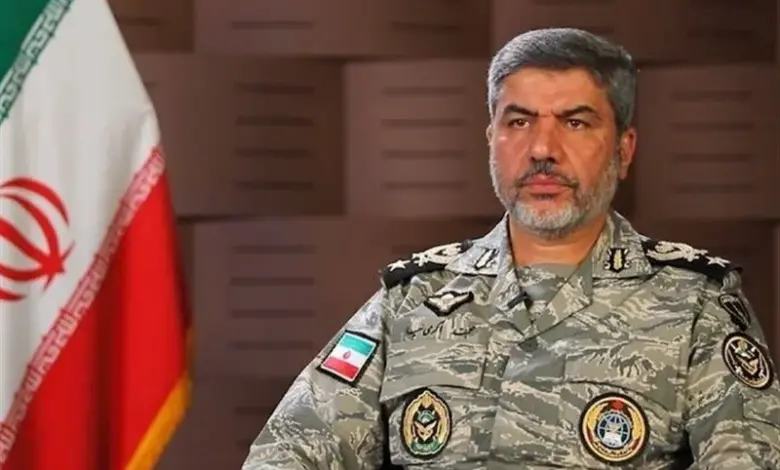
The strategic calculus for both nations is increasingly complex. Iran’s central military command, the Khatam al-Anbiya Central Headquarters, issued a warning on Sunday that it has received information indicating the United States is preparing to resume strikes. The command threatened that any renewed US assault would trigger retaliation against American bases and interests in the Middle East. Furthermore, Tehran warned regional states against allowing their territory or facilities to support US attacks, labeling such actions as “complicity” that could invite an Iranian response. This broadening of potential targets suggests that Iran is seeking to raise the political and military cost of any US escalation by threatening the wider regional infrastructure.
On the American side, the decision-making process is described as being in a “deciding mode.” President Trump told Fox News that his options include further military action, economic pressure, or a deal. He also indicated openness to meeting Iranian President Masoud Pezeshkian on the sidelines of the United Nations General Assembly in New York this week. This diplomatic overture runs parallel to military preparations, a two-track approach that Iranian officials acknowledge. Parliament Speaker Mohammad Bagher Ghalibaf told lawmakers that Tehran should use military force to push back opponents before turning to diplomacy to secure gains. Meanwhile, Iranian Foreign Minister Abbas Araghchi departed for the UN General Assembly, making a brief stopover in Qatar, a key mediator in the conflict.
The human and economic consequences of this standoff are becoming tangible. The disruption of the Strait of Hormuz is directly impacting global energy markets. Shipping data indicates that only 12 commodity vessels crossed the strait over the weekend, a sharp decline from 35 the previous weekend. In the United States, the economic ripple effects are visible at the pump. As of Thursday, the average price for a gallon of regular gas was $4.14, according to AAA. Vice President JD Vance stated that the US has been successful in averting a “global energy crisis,” suggesting that prices could have been much higher without US intervention. He expressed skepticism regarding Iranian allegations that a US strike hit a wedding party, killing four civilians and wounding dozens, noting that the US military is investigating the claim but reiterating that civilians are not targeted.

The human toll extends beyond civilians to the service personnel themselves. Sailors from the USS Abraham Lincoln, a nuclear-powered aircraft carrier, recently returned to Thailand after a record nine-month deployment. Approximately 5,000 sailors, Marines, and crew members have been involved in the war with Iran for the past six months. For families like that of Christi McGarey, whose son Marshall Ludwig is a sailor on the ship, the return to solid ground after such an extended period at sea offers a moment of relief. “I’m certain that his feet have touched the ground, and I’m really so relieved,” McGarey said. This level of sustained deployment underscores the logistical and physical strain of maintaining a naval presence in a high-threat environment.
Regional dynamics are further complicated by the actions of non-state actors. Iran-backed Houthi forces in Yemen have intensified missile and artillery attacks on areas along Yemen’s western coast, which sits on the Red Sea. This parallel front threatens another key trade route, mirroring the pressure being applied in the Strait of Hormuz. As Qatar continues to shuttle between capitals, exchanging proposals aimed at restarting negotiations, the central question remains whether the military posturing by both sides is a precursor to renewed conflict or a tactic to strengthen their respective positions at the negotiating table. The coming days, particularly around the UN General Assembly, will likely determine whether the stalemate breaks into a new phase of hostilities or evolves into a more formalized diplomatic resolution.




3 Comments