
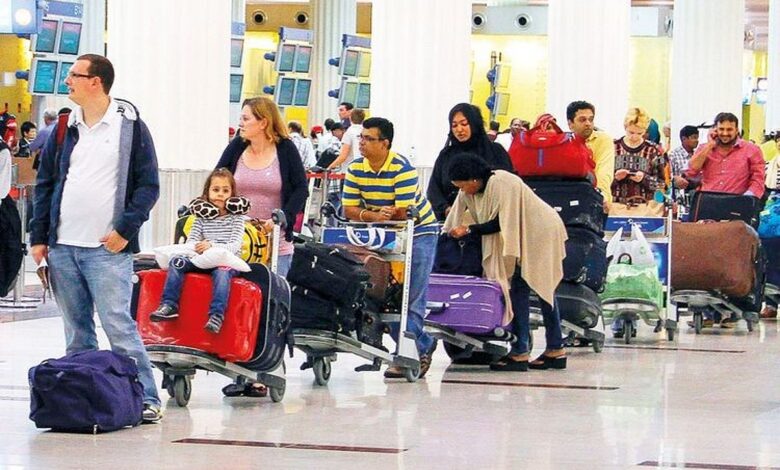
The immediate cause of these aviation adjustments is the renewed tension surrounding the Strait of Hormuz, a critical chokepoint for global energy and trade. The United States recently carried out limited strikes on an Iranian air-defence installation near Qeshm Island. Iranian media reported two explosions, though no casualties were confirmed. In response, Iran warned that the US and Israel would face consequences for the conflict. This escalation has prompted the UAE General Civil Aviation Authority to suspend flights operated by Iranian airlines, including Iran Airtour, Caspian Airlines, and Karun Airlines, to and from the UAE until further notice. Passengers holding bookings on these carriers have been advised to contact their travel providers for rebooking or refunds.
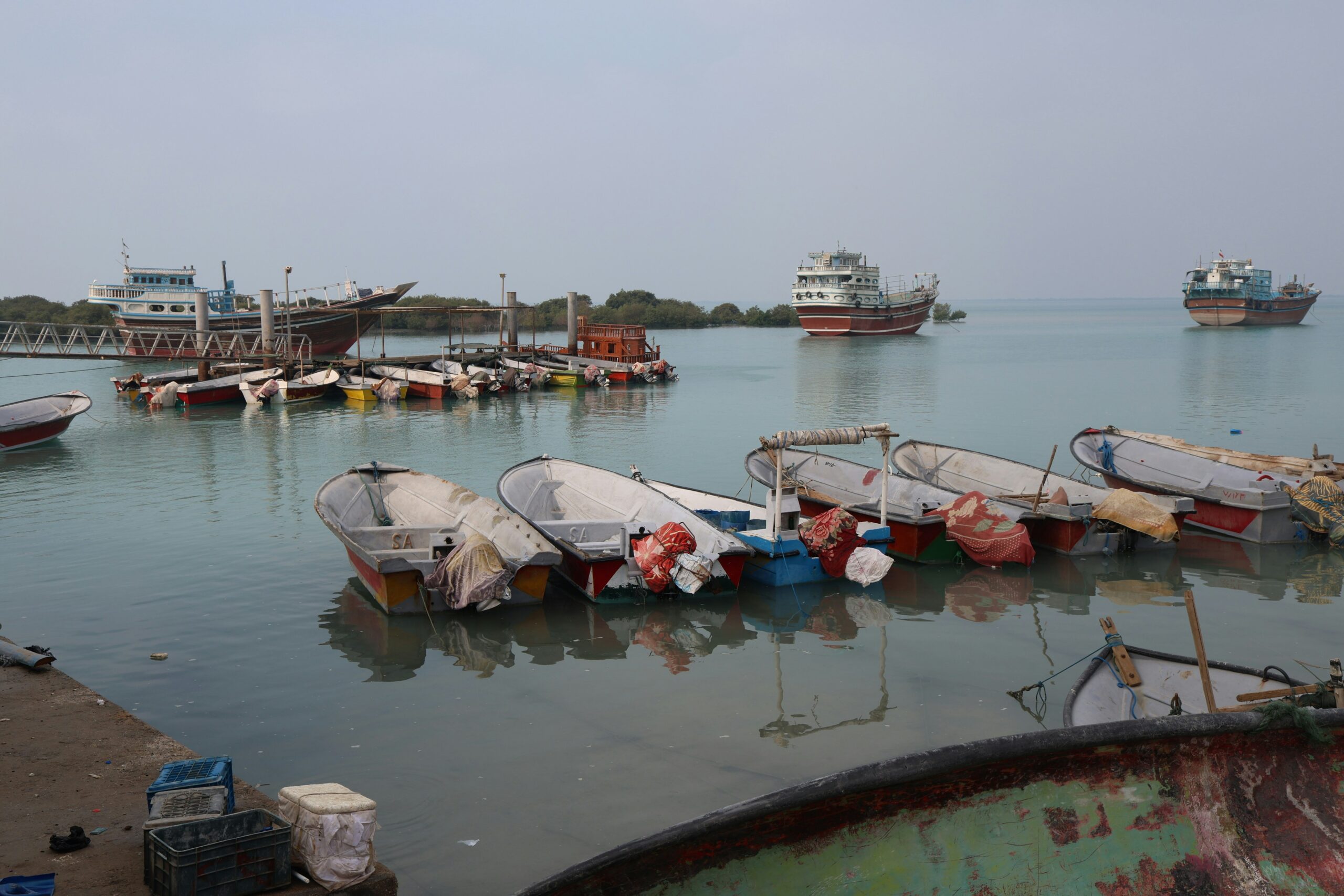
The economic ripple effects of this geopolitical friction extend beyond passenger travel to the shipping lanes that underpin regional commerce. On November 5, the UK Maritime Trade Operations agency reported that a tanker was hit by two unidentified projectiles approximately 50 nautical miles north of Qatar. The crew’s condition and the extent of the damage were not immediately known. This incident follows an earlier explosion aboard the Marshall Islands-flagged tanker MT Velos Sapphire, which was travelling towards Bahrain. One sailor was killed in that incident, and a missile strike is suspected, though the cause remains unconfirmed. These events have raised concerns among commercial vessel operators, particularly regarding the Bab Al Mandab Strait, although no new attacks on commercial vessels in that specific area were confirmed in the latest reports.
Amidst these security risks, diplomatic efforts to de-escalate the situation remain active but fragile. President Donald Trump stated that Washington is communicating with Tehran following a phone call with Qatar’s Emir, Sheikh Tamim bin Hamad Al Thani. Qatar’s Prime Minister, Sheikh Mohammed bin Abdulrahman Al Thani, urged both sides to reach a peace deal, noting that mediation efforts are ongoing. However, Reuters reported on November 3 that Washington and Tehran remain far apart on a deal. Iran has maintained demands that include the lifting of oil sanctions, the ending of the US naval blockade, and the release of frozen funds. The US State Department has cautioned Americans about possible attacks by Iranian-backed Houthis, warning of potential flight cancellations, airspace closures, and travel disruptions.
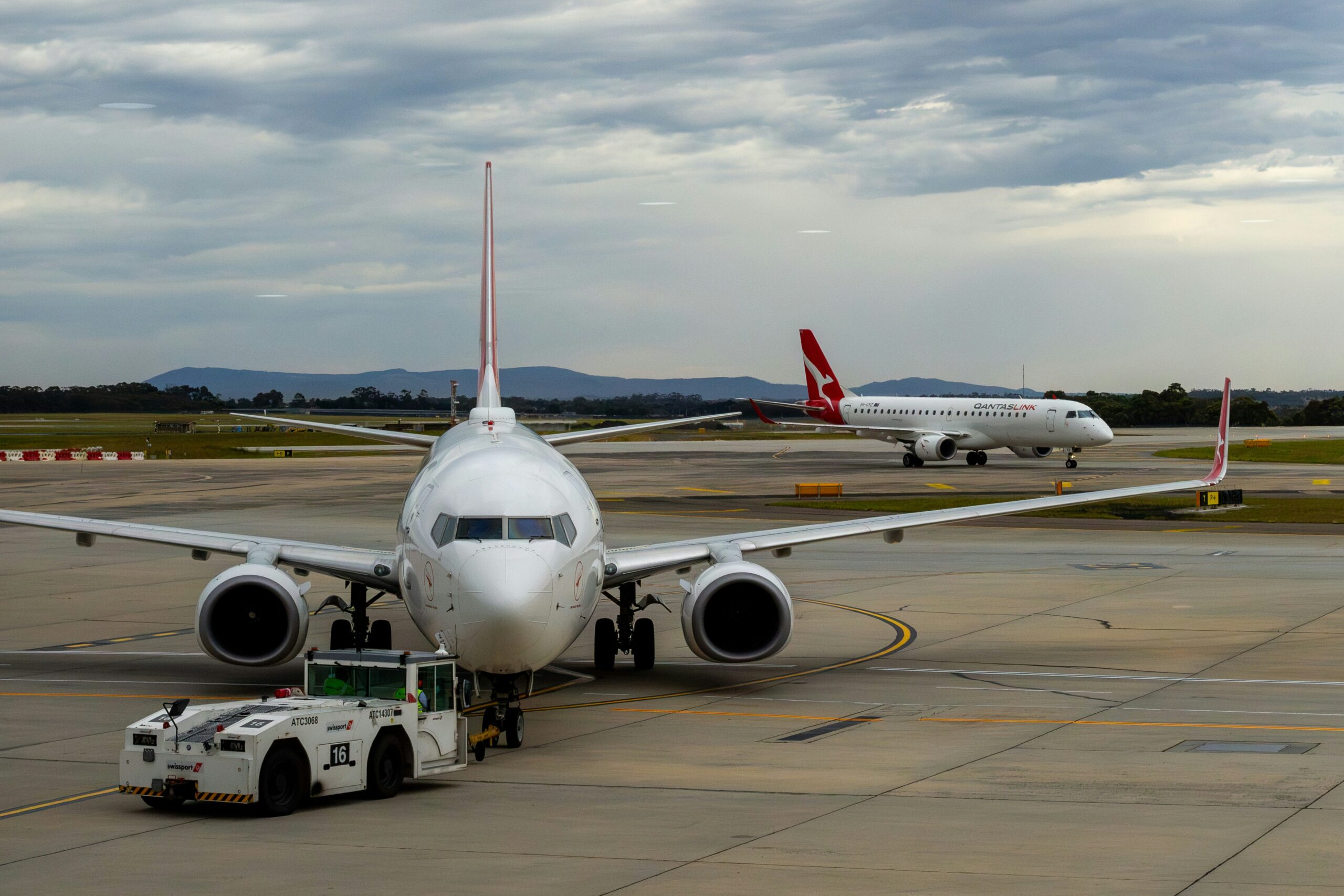
The aviation industry is responding to this uncertainty with a mix of suspensions and gradual restorations. While some European carriers are restoring Dubai services ahead of the winter season, others have extended suspensions into 2027. For instance, flydubai’s Dubai-Tel Aviv services remain suspended through at least late November, and Emirates has suspended its Dubai-Tel Aviv services and related codeshare arrangements. In contrast, Etihad has scheduled the resumption of several flights between Abu Dhabi and Jeddah, with flights EY601, EY602, EY603, and EY604 set to operate on Friday, November 6. Other flights between Abu Dhabi and Jeddah are scheduled to operate as normal, though the airline has warned that the situation remains dynamic and further changes are possible.
Disruptions are not limited to the Middle East. A new wave of bomb threats targeted passenger flights across Europe on Friday, triggering fighter-jet escorts, diversions, and security checks. Flights between Brussels and Sofia, Prague and Cyprus, and Prague and Romania were escorted by Hungarian fighter jets. A Wizz Air flight from Prague to Rome was diverted to Venice, where passengers were evacuated after landing. Nine flights at Prague Airport received threats involving arrivals from Denmark, Spain, and Britain, and departures to the Netherlands, Cyprus, Romania, Italy, and Britain. Eurocontrol, the European air traffic management organization, stated that it was monitoring the situation, with overall disruption to air traffic remaining limited. No explosives were found, and no injuries were reported in these incidents.
The political landscape in the United States adds another layer of complexity to the regional security calculus. President Trump is facing mounting political pressure over the conflict following heavy Republican losses in the midterm elections. Vice President JD Vance reportedly acknowledged that the conflict contributed to the party’s poor performance. Trump is weighing several options, including renewed military strikes, a negotiated agreement, or continued pressure on Tehran. This domestic political pressure may influence the pace and nature of US engagement with Iran, potentially affecting the duration of aviation and shipping disruptions in the Gulf.
For businesses and consumers in the UAE, the immediate impact is a reduced connectivity with Saudi Arabia, a key economic partner and destination for trade and tourism. The cancellation of cargo flights, in addition to passenger services, suggests a broader precautionary approach to logistics in the region. Companies relying on air freight for time-sensitive goods between the UAE and Saudi cities like Riyadh and Dammam may face delays and increased costs as they reroute shipments or seek alternative carriers. The suspension of Iranian airline services also removes a potential, albeit limited, avenue for direct connectivity, further consolidating the market share of UAE-based carriers in the region.
Looking ahead, the next few weeks will be critical in determining whether the current disruptions are a temporary blip or the start of a prolonged period of instability. The resumption of Etihad’s Jeddah services on November 6 will be a test case for whether airlines can safely restore operations in a high-tension environment. The outcome of the ongoing diplomatic talks, potentially leading to direct negotiations, will be a key factor in restoring normalcy. If the conflict escalates, further airspace closures and shipping disruptions are likely, with significant implications for global energy prices and supply chains. For now, travelers and businesses in the UAE are advised to monitor airline updates and official travel advisories closely, as the operating picture remains uneven and subject to rapid change.





2 Comments