
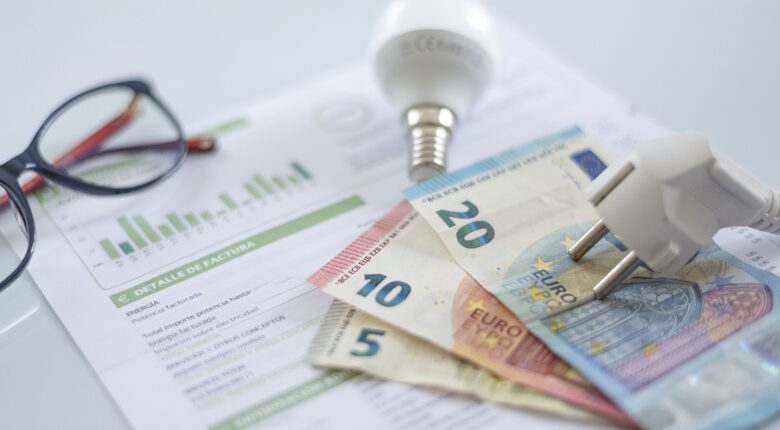
The increase in Romania continues a trend established in the second half of 2025, when prices rose by 58.6%. Ireland recorded the second-highest increase in the first half of 2026, with prices climbing 19.8%, followed by Finland at 18.4%. These national currency-based movements represent the most significant shifts within the EU bloc. Conversely, Denmark and Luxembourg experienced sharp decreases, with prices falling by 31.7% and 24.1%, respectively.
In absolute terms, the average EU household electricity price decreased to 28 eurocents per kWh in the first half of 2026, down from 29 eurocents in the second half of 2025. Despite this recent dip, Eurostat noted that prices remain well above pre-2022 energy crisis levels. Ireland reported the highest nominal prices at 39 eurocents per kWh, followed by Germany and Belgium, both at 36 eurocents. The lowest nominal prices were observed in Hungary at 11 eurocents, and in Malta and Bulgaria at 13 eurocents each.

When adjusted for purchasing power using the Power Purchasing Standard (PPS), Romania recorded the highest electricity prices for households in the EU at 46.9 PPS per 100 kWh. This figure represents a decrease from 49.52 PPS in the second half of 2025. Poland held the second-highest PPS price at 41.1, while Czechia ranked third at 34.3. The lowest PPS prices were found in Malta (13.8), Hungary (14.7), and Luxembourg (15.5). The share of taxes and levies in the final household bill also decreased slightly, dropping from 28.9% in late 2025 to 28.4% in early 2026.
In the Western Balkans region, electricity prices remained largely stable with minor fluctuations. Serbia topped the regional list at 11.9 eurocents per kWh, followed by Albania which rose from 11.7 to 11.9 eurocents. North Macedonia recorded 11.6 eurocents, Montenegro increased from 9.9 to 10.3 eurocents, and Bosnia and Herzegovina rose from 9.6 to 9.9 eurocents. Kosovo recorded the cheapest electricity in the region at 8.69 eurocents per kWh, a slight decrease from 8.77 eurocents.
The next semi-annual update on household energy prices is scheduled for the second half of 2026. Eurostat data remains the primary reference for comparing energy costs across EU member states, providing a standardized view of market conditions and consumer burdens.





One Comment