
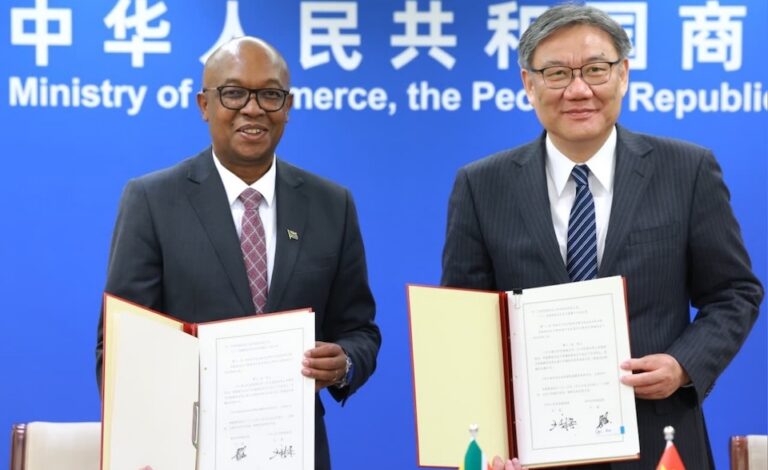
The broader impact of this policy is evident in the overall bilateral figures. According to data disclosed by Wu Peng, the Chinese ambassador to South Africa, total bilateral trade reached nearly 15 billion dollars during the four-month period from May to August. This represents a nearly 24 percent increase compared to the same period in the previous year. The growth is not isolated to specific commodities but reflects a broader expansion in commercial exchange, with South African exports to China rising by nearly 25 percent to 5.3 billion dollars, while imports from China increased by 23 percent to 9.47 billion dollars.
This trade boom occurs against a backdrop of increasing diplomatic friction between Pretoria and Washington. As relations with the United States come under strain, the zero-tariff arrangement offers South Africa an opportunity to deepen its economic ties with its largest trading partner. The policy, which was introduced in May, allows eligible South African goods to enter the Chinese market without duties, providing a significant competitive advantage for exporters seeking to diversify their markets.
Government officials have framed this development as a crucial component of a wider strategy to mitigate risks associated with reliance on traditional Western markets. Parks Tau, South Africa’s Minister of Trade, Industry and Competition, highlighted the opportunity at a media briefing on October 22. Tau urged local businesses to actively take advantage of the duty-free access to the Chinese market, emphasizing the immediate benefits available to producers and manufacturers.
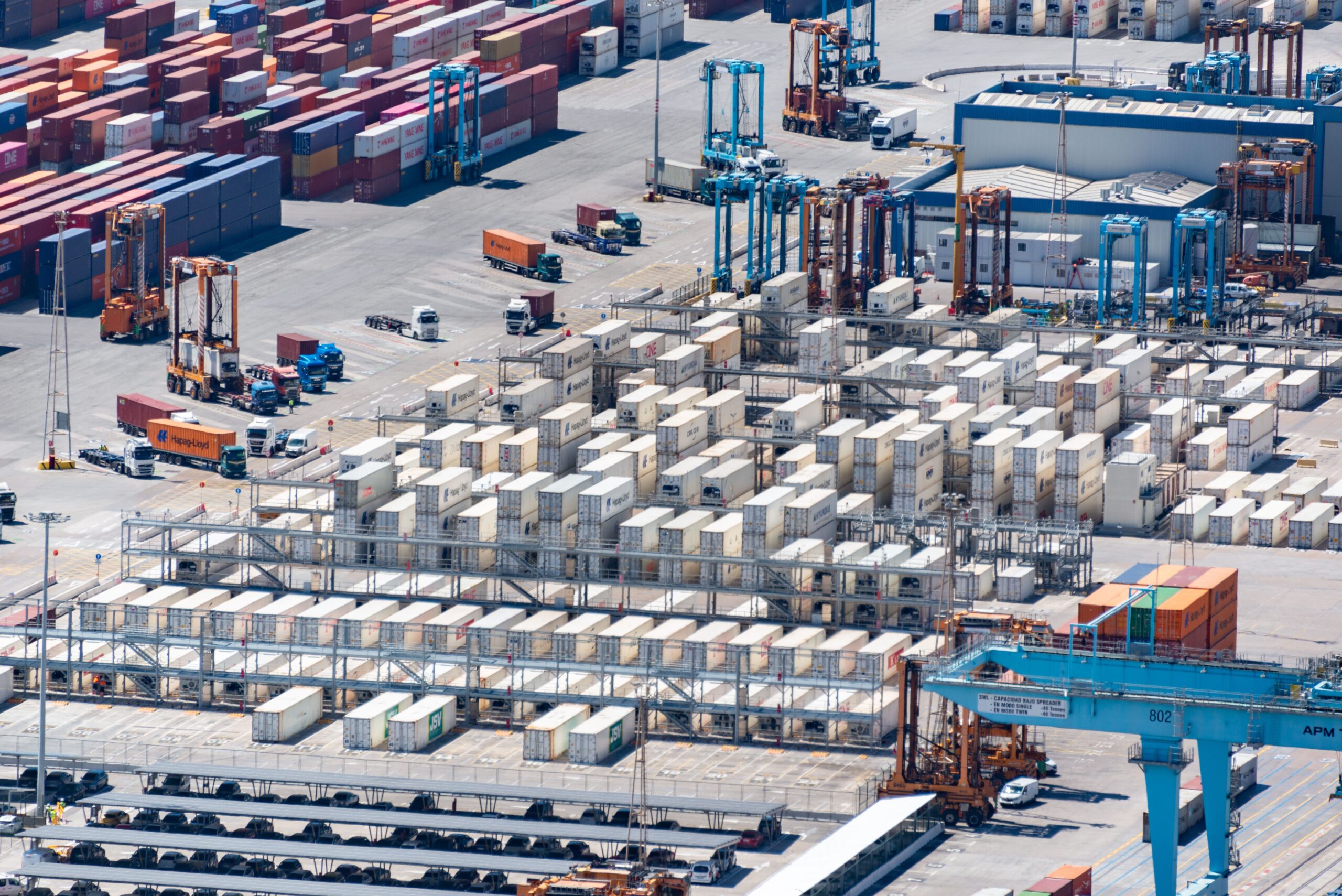
However, the minister also acknowledged the transient nature of the current arrangement. While the zero-tariff scheme has yielded immediate results in the form of the 24 percent trade increase, Tau stated that the government would continue negotiations to secure long-term certainty for exporters. The objective is to protect domestic industries while ensuring that the gains realized in the first few months of the scheme are sustainable and not subject to abrupt reversal.
The urgency of this diversification is underscored by the precarious status of South Africa’s access to the U.S. market. Although the U.S. has extended the African Growth and Opportunity Act (AGOA), which provides eligible African countries with duty-free access to the American market, until 2028, South Africa faces specific risks of exclusion. U.S. President Donald Trump’s administration has leveled criticisms against several of South Africa’s domestic and foreign policies. Furthermore, the administration has accused the South African government of persecuting white Afrikaners, an allegation that Pretoria has firmly denied. These diplomatic disputes create an environment of uncertainty that makes the expansion of trade with China a strategically vital hedge.
The data from the May to August period suggests that the trade relationship is robust enough to absorb such geopolitical shifts. The nearly 15 billion dollar volume in just four months indicates a high level of commercial activity that extends well beyond agriculture. While the 35 percent jump in agricultural exports is a notable success story, the 25 percent rise in total exports to 5.3 billion dollars suggests that other sectors are also benefiting from the improved trade environment. Conversely, the 23 percent increase in imports to 9.47 billion dollars indicates that South African consumers and industries are also tapping into Chinese supply chains, suggesting a two-way flow of goods that strengthens interdependence.

For businesses, the immediate takeaway is the demonstrable increase in demand and market access. The nearly 25 percent rise in exports is a measurable outcome of the policy change, providing a clear case study for other sectors considering expansion into the Chinese market. The government’s push for long-term negotiations aims to transform this temporary stimulus into a permanent structural feature of South Africa’s export portfolio.
As the next phase of trade negotiations unfolds, the focus will likely remain on converting the temporary zero-tariff access into a durable agreement. The next significant data release will be critical in determining whether the momentum generated between May and August is a sustainable trend or a short-term spike. For now, the 15 billion dollar trade volume stands as a testament to the immediate economic impact of Beijing’s policy, offering South Africa a vital economic buffer as it navigates complex diplomatic waters with the United States.





2 Comments