
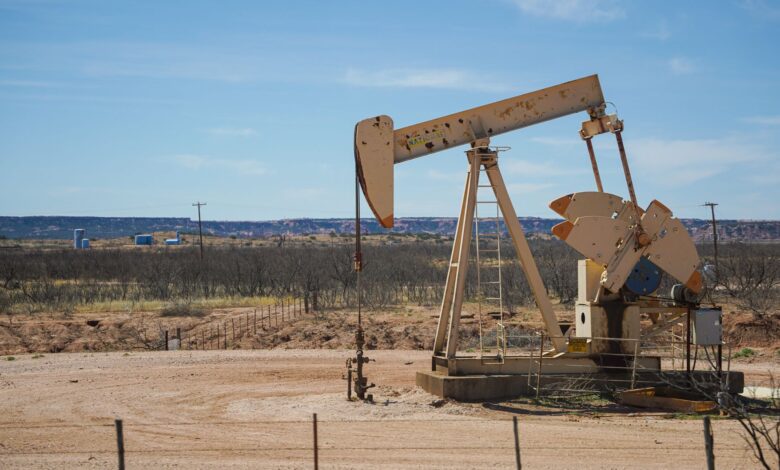
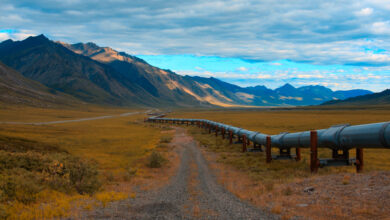
The immediate effect of the higher crude prices is a financial strain on consumers in the majority of American states, where increased fuel and energy costs reduce disposable income. In contrast, the Alaskan state government is bringing in new revenue directly linked to its high oil production. This influx of funds allows the state to offset the higher costs associated with the price surge, insulating the regional economy from some of the negative impacts felt elsewhere.
A portion of the additional revenue generated by the state is redistributed to Alaskans through the state’s unique sovereign wealth fund. This mechanism ensures that the financial gains from elevated oil prices are partly shared with the general population. The situation highlights a specific advantage held by Alaska, where state fiscal policy and production levels align to capitalize on market volatility driven by geopolitical conflict.

Public opinion in the United States regarding the conflict remains largely critical, with most Americans disapproving of the war in Iran. Despite this widespread disapproval, the economic consequences of the conflict are unevenly distributed. Alaska may emerge as a quiet winner from one of the conflict’s most painful economic side effects, leveraging its production capacity to turn a national cost increase into a state-level revenue gain.
The distinction between Alaska and other states underscores the role of state-specific production levels and fiscal structures in mitigating or amplifying global energy market shocks. As oil prices remain elevated due to the ongoing hostilities, the financial flow from production to state coffers continues to support the unique distribution model in Alaska. The outcome serves as a case study in how geopolitical events can create disparate economic winners and losers within a single national market.




2 Comments