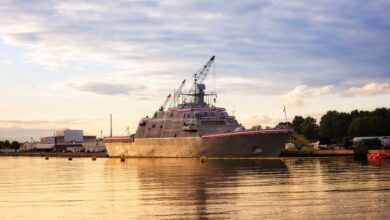
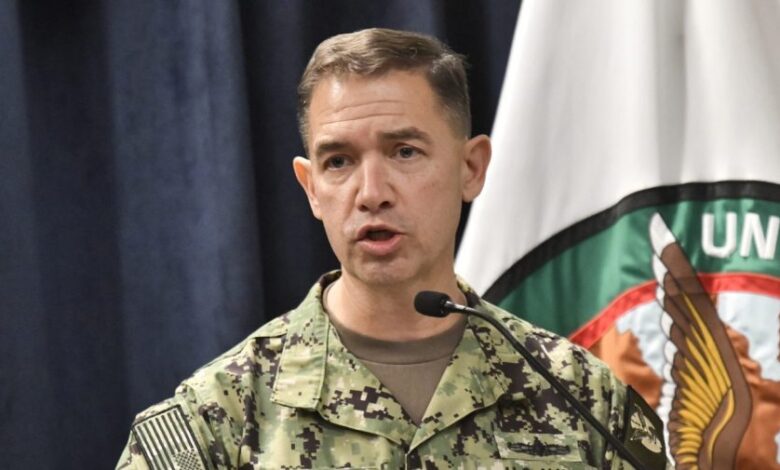
The United States Central Command (CENTCOM) confirmed that its forces disabled the commercial vessel after the ship’s civilian crew ignored repeated warnings and attempted to violate a blockade. According to the U.S. military, the action was taken to prevent the vessel from breaching the blockade established in the context of the broader conflict with Tehran. The incident has drawn immediate attention from international maritime authorities, highlighting the increasing risks facing commercial shipping in the region.
The Maritime Security Centre – Middle East (UKMTO), which monitors maritime incidents in the region, issued a report confirming that an incident involving a bulk carrier and military forces had been recorded. The UKMTO stated that the event took place in the waters off the Gulf of Oman, specifically near the UAE coast. While the U.S. military provided a specific rationale for the engagement, the UKMTO’s initial report noted that the status of the crew, the extent of any damage to the ship, and the potential environmental impact were not yet known. The maritime center urged vessels transiting the area to remain vigilant, advising them to consult the latest maritime security information and to be cautious of the operational environment.
The timing of this incident coincides with heightened volatility on the Iranian side of the Strait of Hormuz. Iranian state media reported hearing blasts on Qeshm Island, a strategically significant location situated in the Strait of Hormuz, as well as in the coastal cities of Jask, Sirik, and Bandar Abbas. These reports suggest a broader pattern of military activity or retaliation in the immediate vicinity of the maritime blockade. The simultaneous occurrence of the U.S. naval engagement and the reported explosions in Iran underscores the degree to which the conflict has become entangled with the region’s vital sea lanes.
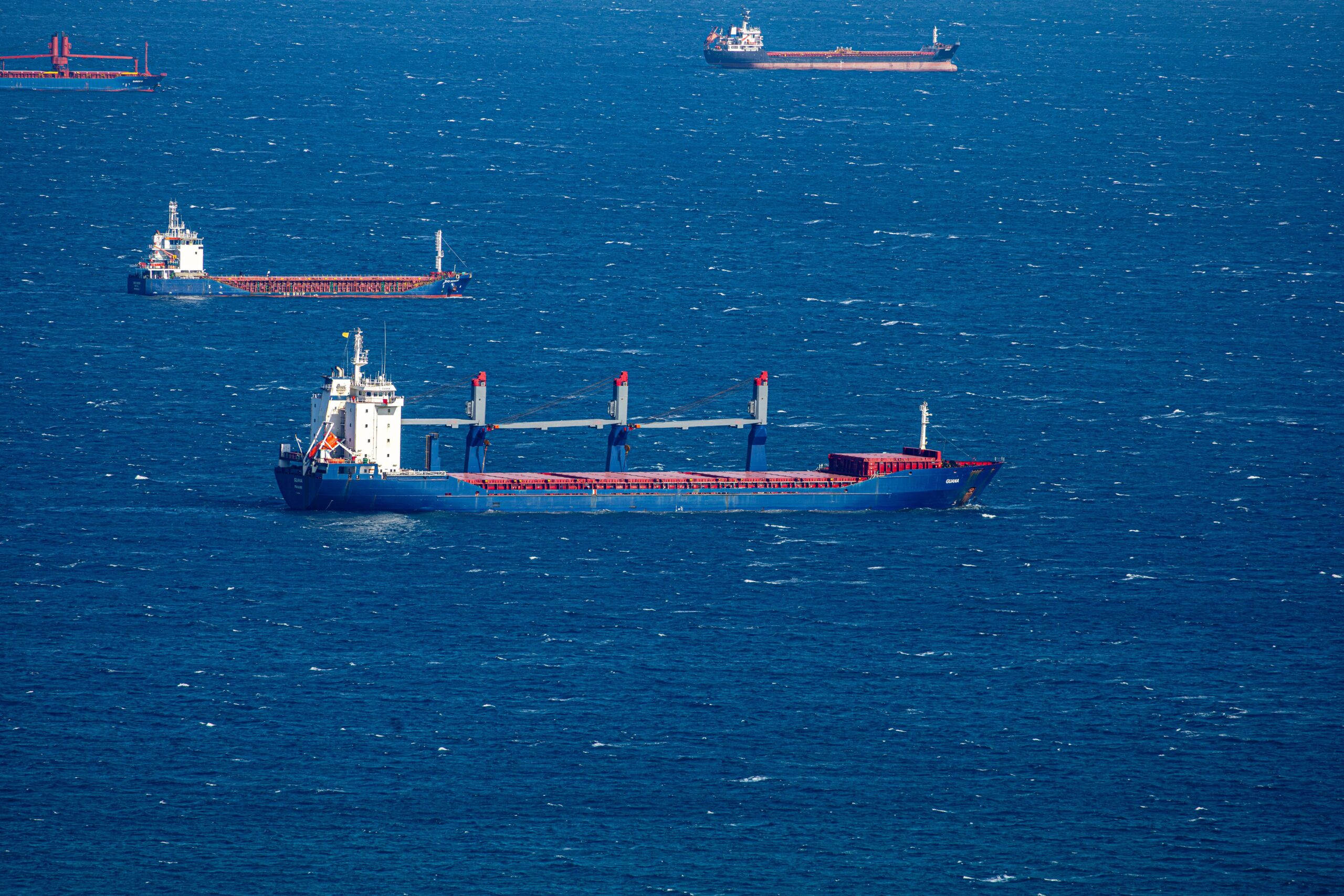
Geopolitically, the disabling of the vessel illustrates the U.S. strategy of enforcing maritime restrictions against Iran. By targeting a commercial ship that attempted to breach the blockade, U.S. forces have demonstrated a willingness to use kinetic force to maintain the integrity of the naval cordon. This move places pressure on Iran’s ability to sustain economic or military logistics through the Strait of Hormuz, a chokepoint through which a significant portion of the world’s oil supply passes. The incident affects not only the parties to the conflict but also third-party nations whose energy security depends on the safe and uninterrupted flow of goods through the Gulf.
The involvement of a commercial vessel with a civilian crew adds a layer of complexity to the diplomatic and legal dimensions of the incident. While the U.S. asserts that the crew’s refusal to heed warnings justified the disabling of the ship, the potential for environmental damage and harm to crew members raises concerns among international observers. The UKMTO’s call for caution reflects a broader anxiety among the global shipping industry. Insurance premiums for vessels operating in the Gulf are likely to rise, and shipping companies may face difficult decisions regarding route planning and risk acceptance. The incident serves as a stark reminder that commercial shipping is no longer immune to the direct impacts of state-to-state conflict in the region.
Historically, the Strait of Hormuz and the Gulf of Oman have been flashpoints for tension between Iran and Western powers, particularly the United States. Previous confrontations have involved seizures of tankers, mine-laying threats, and close encounters with naval assets. The current development marks a shift from passive threats or indirect engagements to the direct disabling of a commercial asset by U.S. forces. This escalation signals that the conflict is entering a phase where maritime interdiction is being actively pursued with force, rather than merely threatened.
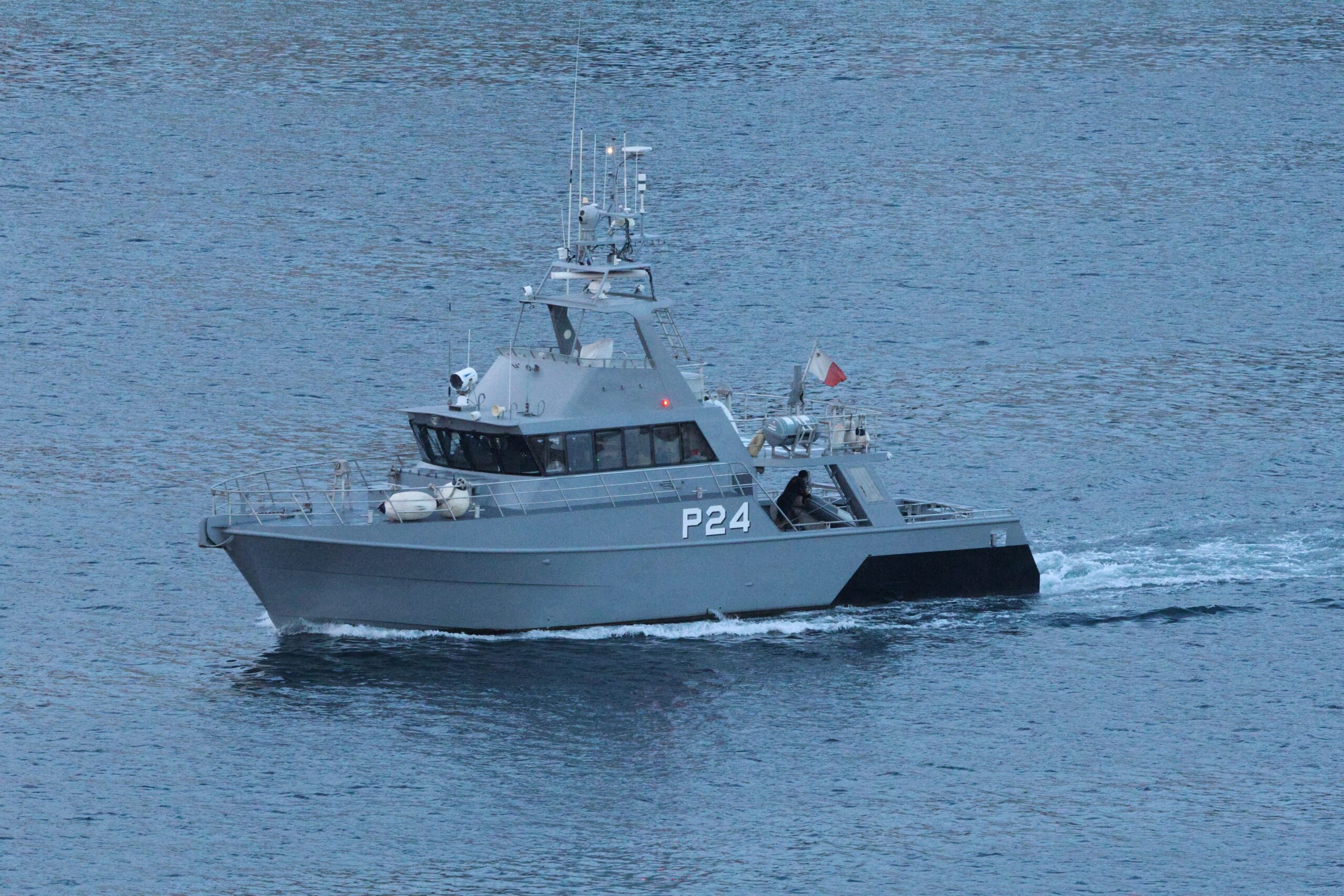
For the United States, the primary objective appears to be the containment of Iran’s maritime capabilities and the protection of regional stability by preventing Iranian forces or assets from operating freely in international waters. For Iran, the blockade and the subsequent U.S. actions likely represent an act of economic warfare and a challenge to national sovereignty. The reported blasts on Qeshm Island and other coastal cities suggest that Iran may be responding to these pressures, either through military posturing or direct retaliation against U.S. or allied interests in the region.
The immediate consequence of the November 7 incident is a heightened state of alert in the Gulf. The UKMTO’s advisory to mariners to stay alert indicates that the threat environment is not limited to the specific vessel involved but extends to the broader operational area. Shipping companies operating in the region are now operating under the shadow of a potential escalation that could disrupt global energy markets. The uncertainty surrounding the condition of the crew and the ship’s cargo remains a critical issue, with relevant authorities continuing to investigate the incident.
As the situation unfolds, the focus will likely shift to the diplomatic repercussions of the U.S. military’s action. The characterization of the event as a necessary enforcement of a blockade versus an unprovoked attack on a commercial ship will shape international reactions. The incident on November 7 stands as a pivotal moment in the ongoing conflict, demonstrating that the maritime domain has become a central theater of operations. The fate of the disabled vessel, the safety of its crew, and the stability of the Gulf’s shipping lanes remain under intense scrutiny, with the potential for further escalation hanging over the region.