
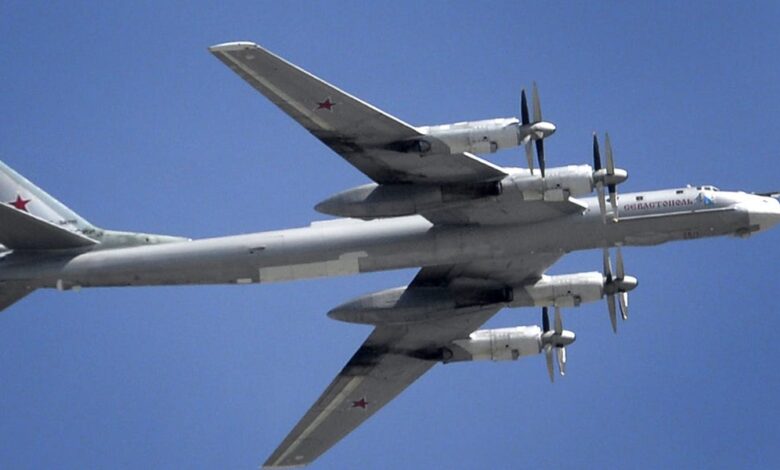
This incident is not merely an isolated accident; it represents a critical blow to Russia’s air-based nuclear deterrent at a time when the fleet is already under severe pressure. The Tu-95MS is the backbone of Russia’s long-range attack capability, a role comparable to that of the American B-52 Stratofortress. Unlike modern jet-powered bombers, the Tu-95 is a turboprop aircraft, powered by NK-12 engines—the most powerful turboprop engines ever built. This design choice provides an exceptional range of up to 9,300 miles without refueling, allowing the aircraft to strike strategic targets deep within enemy territory while remaining outside the reach of many air defenses. However, the age of the airframe, which first flew in 1952, imposes significant logistical constraints. The production facilities for the Tu-95 were dismantled in the 1990s following the collapse of the Soviet Union, meaning Moscow cannot replace lost aircraft. Every crash or destruction is a permanent reduction in strategic capacity.
The crash at Ukrainka occurs against a backdrop of escalating attrition. The Ukrainka air base, located in the Seryshevo district, was selected as a shelter for surviving strategic bombers after a series of devastating Ukrainian strikes. In June 2025, Ukraine’s Security Service (SBU) conducted “Operation Spiderweb,” a surprise attack on Russian air bases that utilized FPV (first-person view) drones concealed in lorries. This operation reportedly damaged or destroyed between seven and eight Tu-95s, along with other strategic assets. The recent crash at the same base underscores the vulnerability of these aging assets, both to external threats and internal maintenance challenges.
Ukrainian intelligence estimates that the operational Tu-95MS fleet has shrunk from an initial belief of 47 airframes to approximately 37 or 38 due to combat losses and maintenance issues. More recently, on July 17, the SBU claimed it destroyed another Tu-95 at the Engels air base in Saratov region using long-range drones that traveled 800 kilometers. Ukrainian President Volodymyr Zelensky described this as a “long-range sanction,” noting that the aircraft had been used to launch missile strikes against Ukraine. While Russian authorities have not confirmed the destruction at Engels, the cumulative effect of these incidents is a measurable degradation of Russia’s strategic aviation capability.
The strategic significance of the Tu-95 lies in its role as a carrier for precision-guided cruise missiles. The aircraft can carry up to 16 missiles, including the Kh-101 and Kh-555 variants. The Kh-101, with an estimated range of up to 5,500 kilometers, is particularly difficult to intercept due to its ability to maneuver and alter its flight path. Russia has relied heavily on these bombers to launch long-range attacks on Ukrainian infrastructure from positions far behind the front lines. Analysts note that the Tu-95MS is often preferred over the newer Tu-160 for these missions because it is more reliable and easier to maintain. The Tu-160, while capable of supersonic speeds, faces its own challenges, with about two-thirds of the fleet believed to be grounded for maintenance due to sanctions on high-end parts.
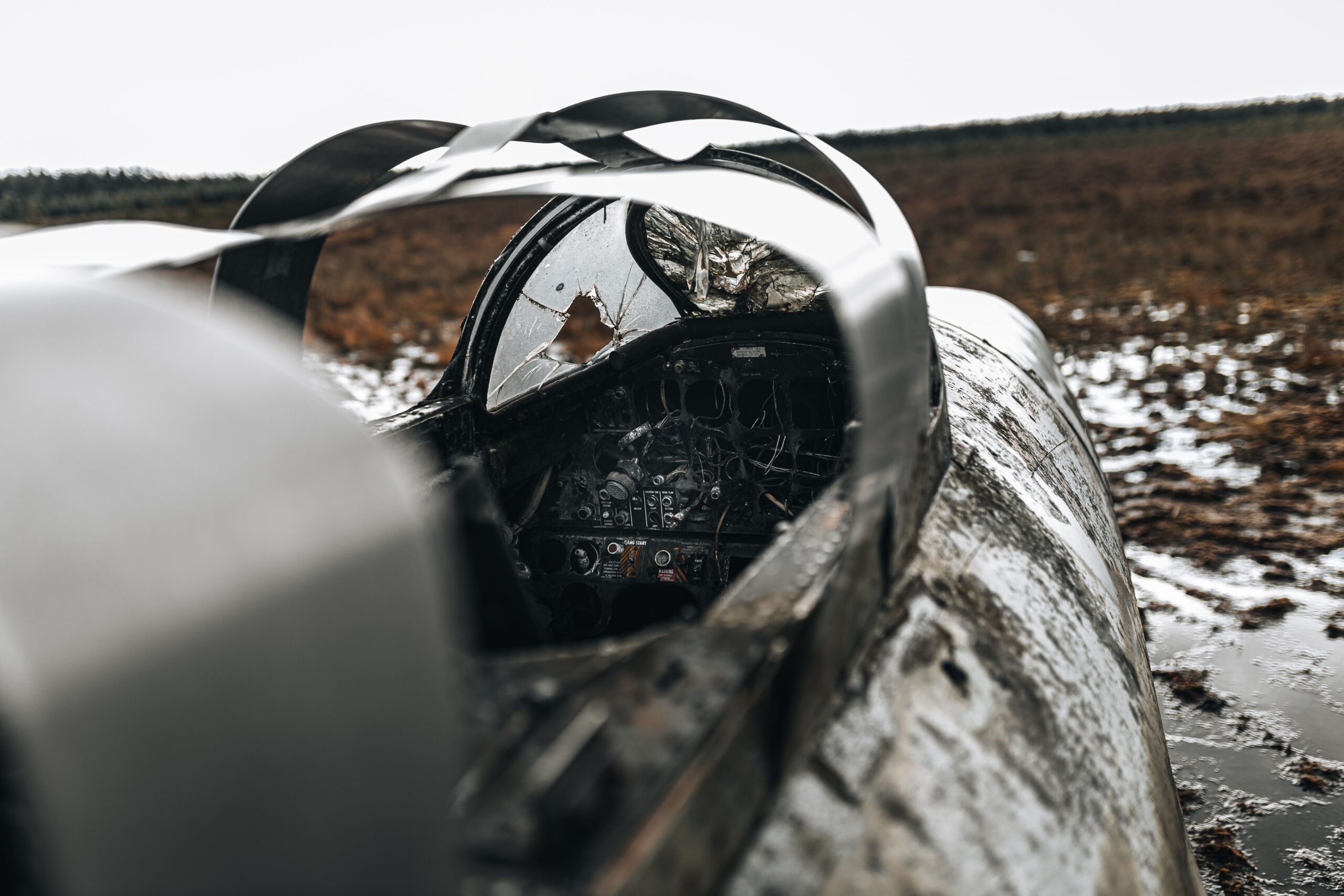
The loss of even a single Tu-95 is therefore a significant operational setback. It reduces the number of available launch platforms for cruise missiles, potentially limiting the frequency or scale of long-range strikes. Furthermore, the crash highlights the logistical strain on the Russian military. With production halted and maintenance resources stretched thin by the ongoing conflict, the ability to keep the fleet airworthy is becoming a critical bottleneck. The Tu-22M3, another key strategic bomber, has also seen its operational numbers dwindle to as few as nine flightworthy planes due to attrition and crashes.
As Russia adapts to these losses, the focus on protecting its remaining strategic assets is likely to intensify. The redeployment of surviving bombers to remote bases like Ukrainka was a direct response to the vulnerability exposed by Operation Spiderweb. However, the crash in the Amur region suggests that technical reliability remains a persistent threat. The incident serves as a stark reminder that in a conflict where one side cannot replace its strategic hardware, every aircraft lost is a permanent shift in the balance of forces. The next confirmed development will likely involve Russia’s response to the ongoing degradation of its long-range aviation fleet, potentially through further redeployments or shifts in strike doctrine to mitigate the loss of launch platforms.