The incident occurred less than 24 hours after Abu Mujahid al-Assaf, a figure associated with the Iranian-backed group Kataib Hezbollah, made public remarks referencing the Khor Mor facility. In a statement critical of Iraq’s Prime Minister Ali al-Zaidi, al-Assaf said, “we do not want to air dirty laundry in public, nor open the files of (Khor Mor) and the incitement to target it for the purpose of extorting the UAE; for whoever’s house is made of glass should not throw stones at people.” While the statement was framed as a refusal to disclose details, regional analysts and media outlets have noted that such references to specific facilities by armed groups often serve as implicit threats or pre-announcements of attack, a pattern consistent with the group’s past actions.
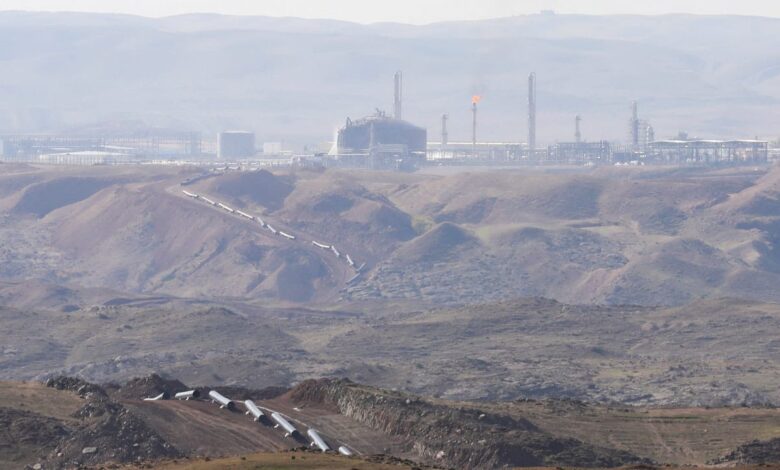
Rudaw reported that a source from the field confirmed the attack to reporter Peshawa Bakhtyar but could not definitively determine whether the strike was delivered by an attack drone or a rocket. A Telegram channel linked to pro-Iranian groups claimed a drone was involved. The projectile hit the field’s warehouse unit, which stores nearly 1,500 tons of cooking gas distributed through 170 oil tankers. The source indicated that the fire was close to being brought under control, but the damage to the storage unit has resulted in a complete suspension of gas production at the site.
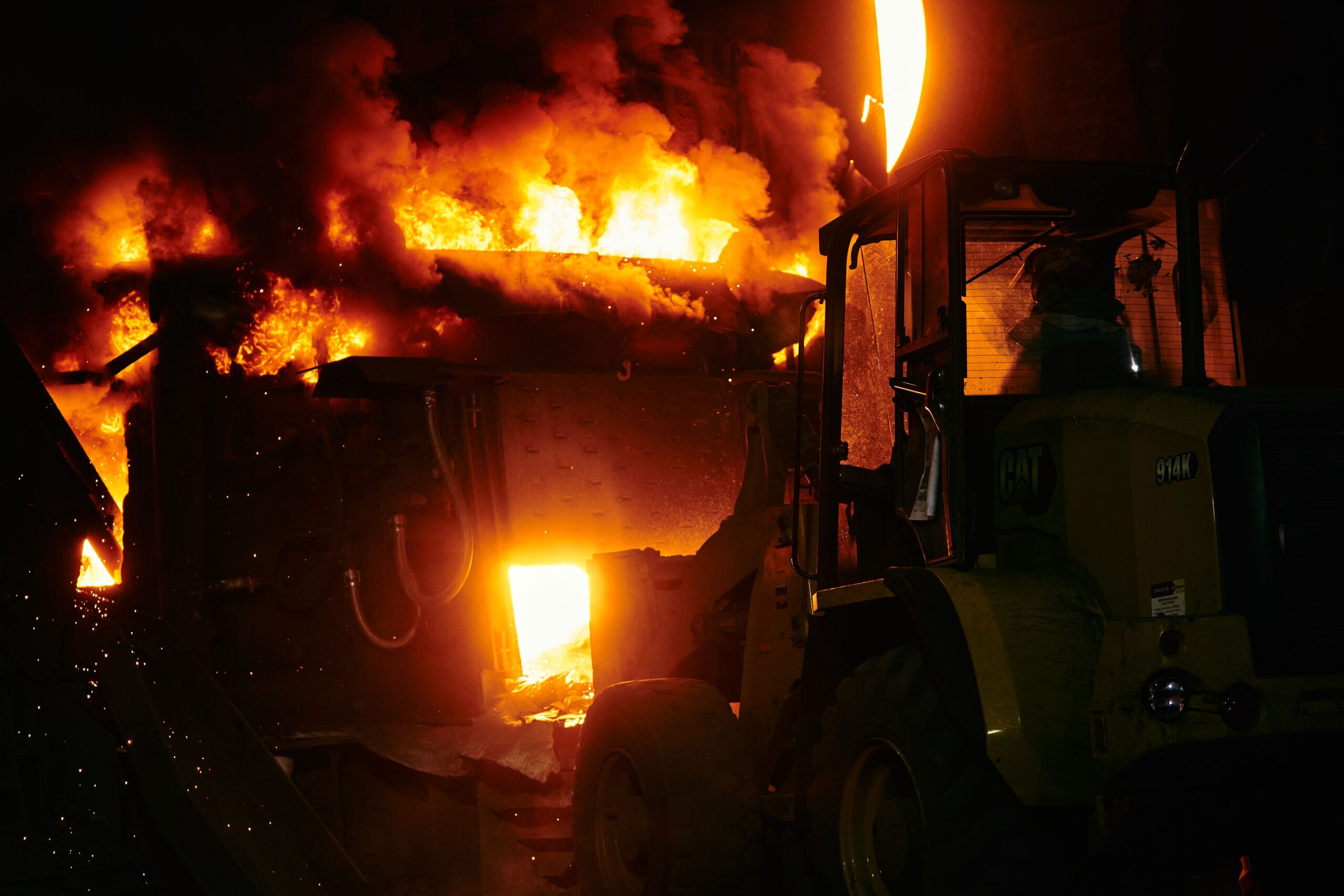
The Khor Mor field is not the first time this facility has been targeted. The source material notes previous attacks on the field in December 2025, February 2025, and August 2023. These repeated incidents have long prompted the Kurdistan Regional Government (KRG) to request drone defense systems from the Iraqi federal government in Baghdad to protect the gas field and other strategic sites. The lack of adequate air defense remains a central point of contention between Erbil and Baghdad, with the KRG arguing that federal inaction leaves critical infrastructure vulnerable to non-state actors.
The security environment in the Kurdistan Region has deteriorated significantly in recent months. Reports indicate that Iran has carried out more than 1,000 drone and missile attacks on the region since February. This pervasive threat landscape has implications for energy security and investment in northern Iraq. Khor Mor is a key supplier of natural gas, essential for both domestic consumption and industrial operations. The halt in production disrupts the local supply chain for cooking gas and may force the region to rely on alternative sources or imports, potentially impacting consumer prices and reliability.
The timing of the attack coincides with Prime Minister Zaidi’s efforts to rein in armed groups and confiscate their weapons. Zaidi recently canceled contracts at Mosul airport, citing links to “armed groups,” a term frequently used as a euphemism for Iranian-backed entities within Iraq. Kataib Hezbollah has been in the spotlight amid these disarmament attempts. The group has a history of targeting facilities in Iraq, as well as extraterritorial attacks, including the killing of three Americans in Jordan in January 2024. The current escalation risks further destabilizing the region and complicating Baghdad’s attempts to assert sovereignty over its territory and energy assets.
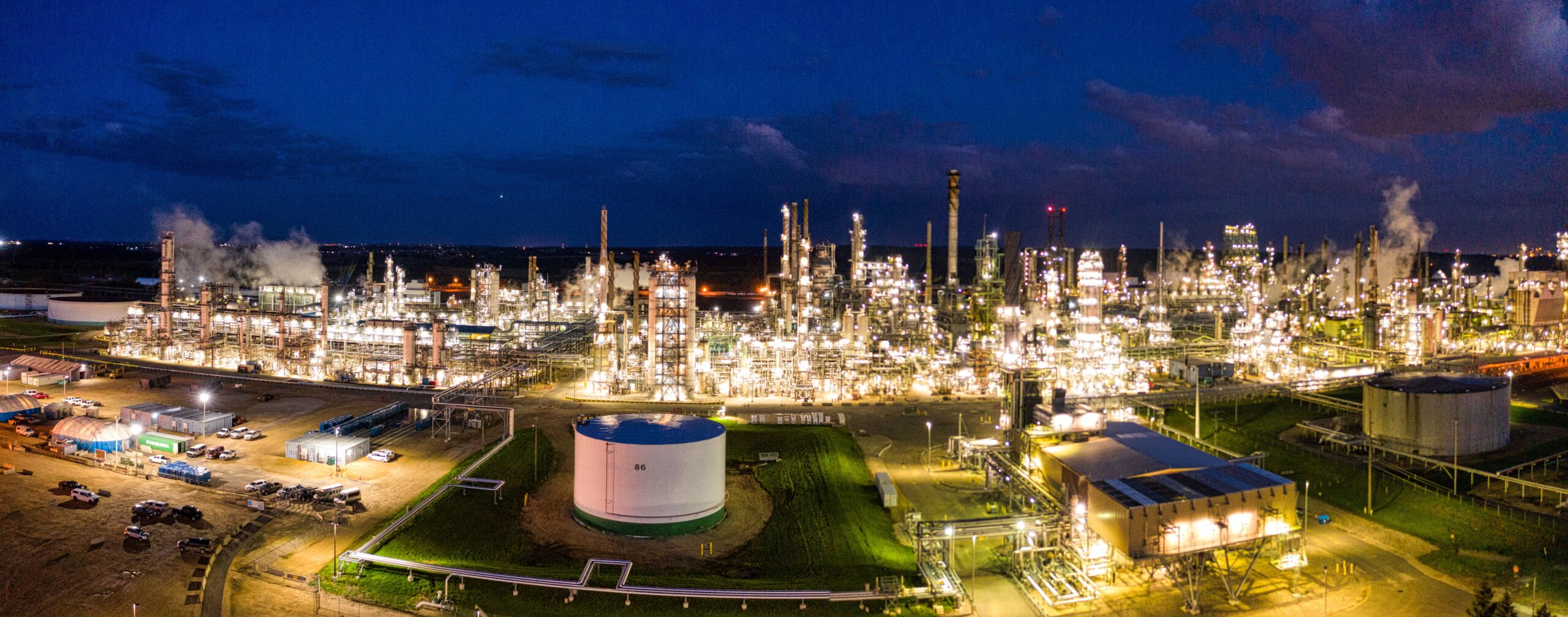
From a market perspective, while the immediate volume of gas lost from Khor Mor is part of Iraq’s broader production portfolio, the symbolic and physical damage to the facility underscores the fragility of energy infrastructure in conflict zones. Investors and operators in the region must factor in heightened security costs and the risk of operational downtime. The incident does not represent a structural change in Iraq’s total gas reserves, but it does represent a temporary supply disruption that local distributors must manage. The focus now shifts to the speed of repair and whether Baghdad will deploy promised defensive measures to prevent further incidents.
The next critical development will be the official assessment of damage to the storage unit and the timeline for resuming operations. Additionally, the Iraqi government’s response to the security breach—whether through diplomatic channels, military engagement, or further internal security measures—will determine the short-term outlook for stability in the Kurdistan Region’s energy sector.