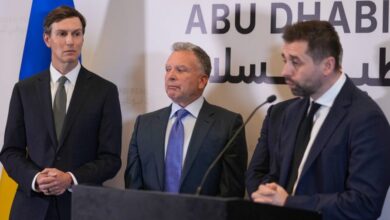
Simultaneously in Abu Dhabi, U.S. special envoys Steve Witkoff and Jared Kushner were meeting with Ukrainian and Russian officials. This marked the first trilateral meeting between the three nations since February. According to Rustem Umerov, head of Ukraine’s Foreign Intelligence Service and chief negotiator, the Ukrainian delegation first met with representatives from the United Kingdom, France, Germany, Italy, NATO, and the European Commission. “We will align our positions and coordinate our steps ahead of the next stage of negotiations,” Umerov stated, confirming that these European partners would not join the main trilateral talks with Russia and the U.S.
The separation of these two diplomatic fronts underscores a central tension in the current geopolitical environment. While the United States has brokered the return to the table, European leaders are clamoring for inclusion in the core negotiations. German Foreign Minister Johann Wadephul, who met with Rubio on the sidelines of the G7 in Paris, was emphatic about Europe’s role. “I am still very grateful to the United States of America for making every effort to get the parties to the conflict to the table,” Wadephul said. “But I made clear again here that Europe belongs at this table. There can be no solution without Europe, only with Europe.”
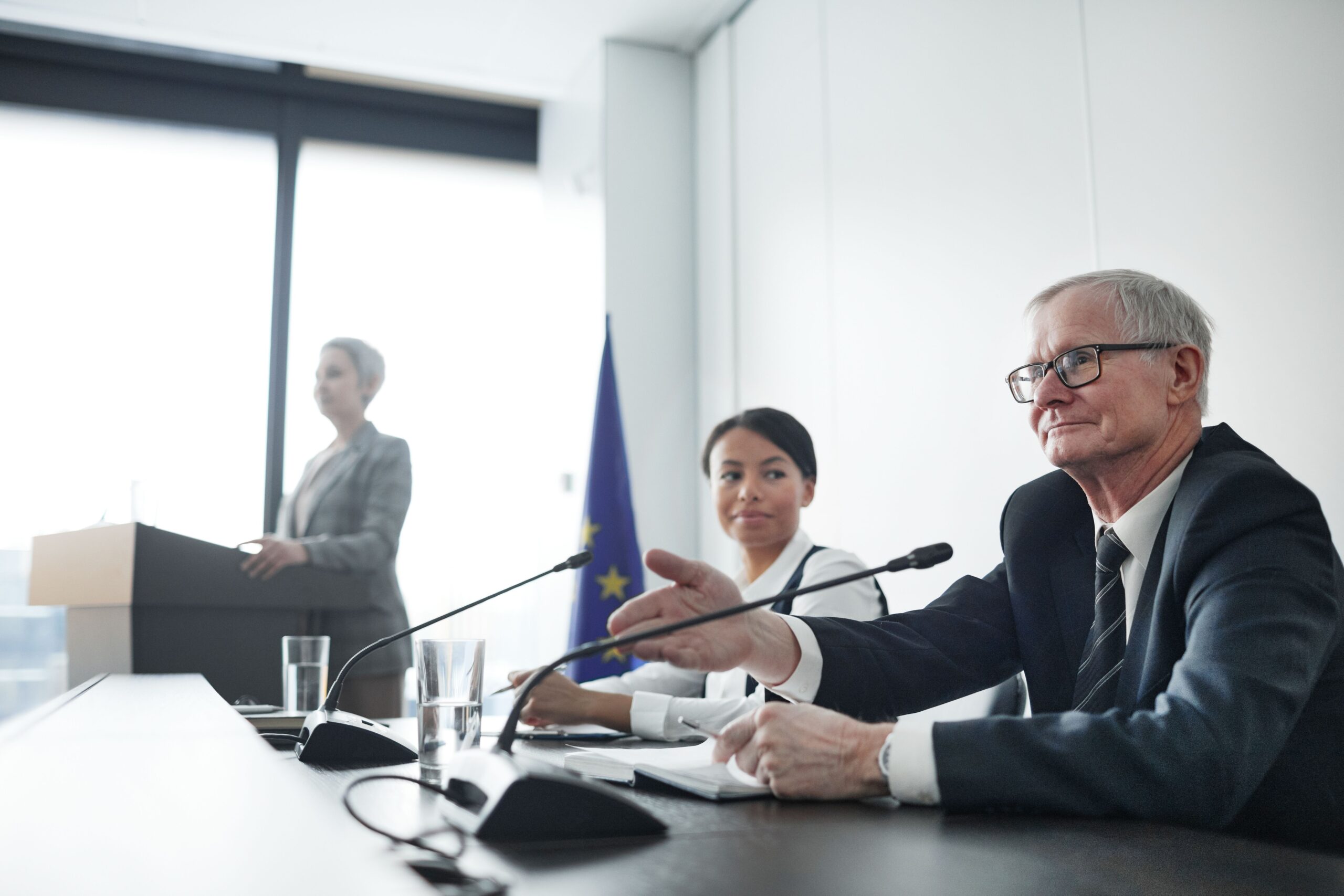
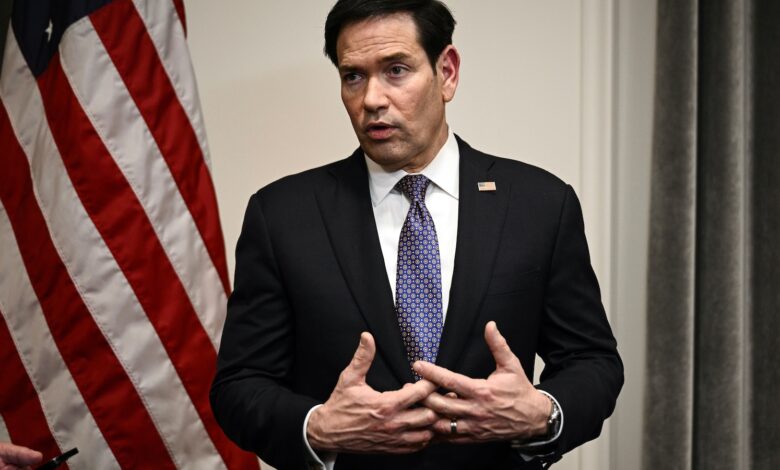
Rubio acknowledged the European desire for involvement but maintained that the trilateral format was the immediate priority. “Ultimately, it would be a positive, but we’ve got a ways to go,” Rubio told reporters. “But, no, it’s good that they’re talking, it’s good that the trilateral talks are on again. It’s better than not having talks.” Russia, for its part, has consistently resisted European participation, insisting that negotiations proceed strictly among Moscow, Kyiv, and Washington.
The stakes extend beyond immediate military ceasefires to the long-term economic and security architecture of the continent. Ukrainian officials have outlined key priorities for the Abu Dhabi talks, including the cessation of hostilities, reliable post-war security guarantees, and the economic recovery and development of Ukraine. However, the format of the talks has raised alarms in Brussels and Europe’s capital cities. Critics and officials fear that the U.S. and Russia may be moving toward a joint revamp of Europe’s security structures, a scenario some have warned could resemble a “Yalta 2.0,” a reference to the 1945 division of Europe by Western and Soviet powers.
German Foreign Minister Wadephul addressed this concern directly, stating, “For Europe, it is clear: We do not need to establish a new security architecture for Europe.” This sentiment reflects a broader anxiety among G7 members—particularly Paris, Berlin, Rome, and London—that their security interests are being negotiated without their direct consent. The EU’s presence in Abu Dhabi is limited to advisor-level representatives from the European Commission, the European Council, and key member states, who are tasked with discussing potential security guarantees on the sidelines rather than at the main table.
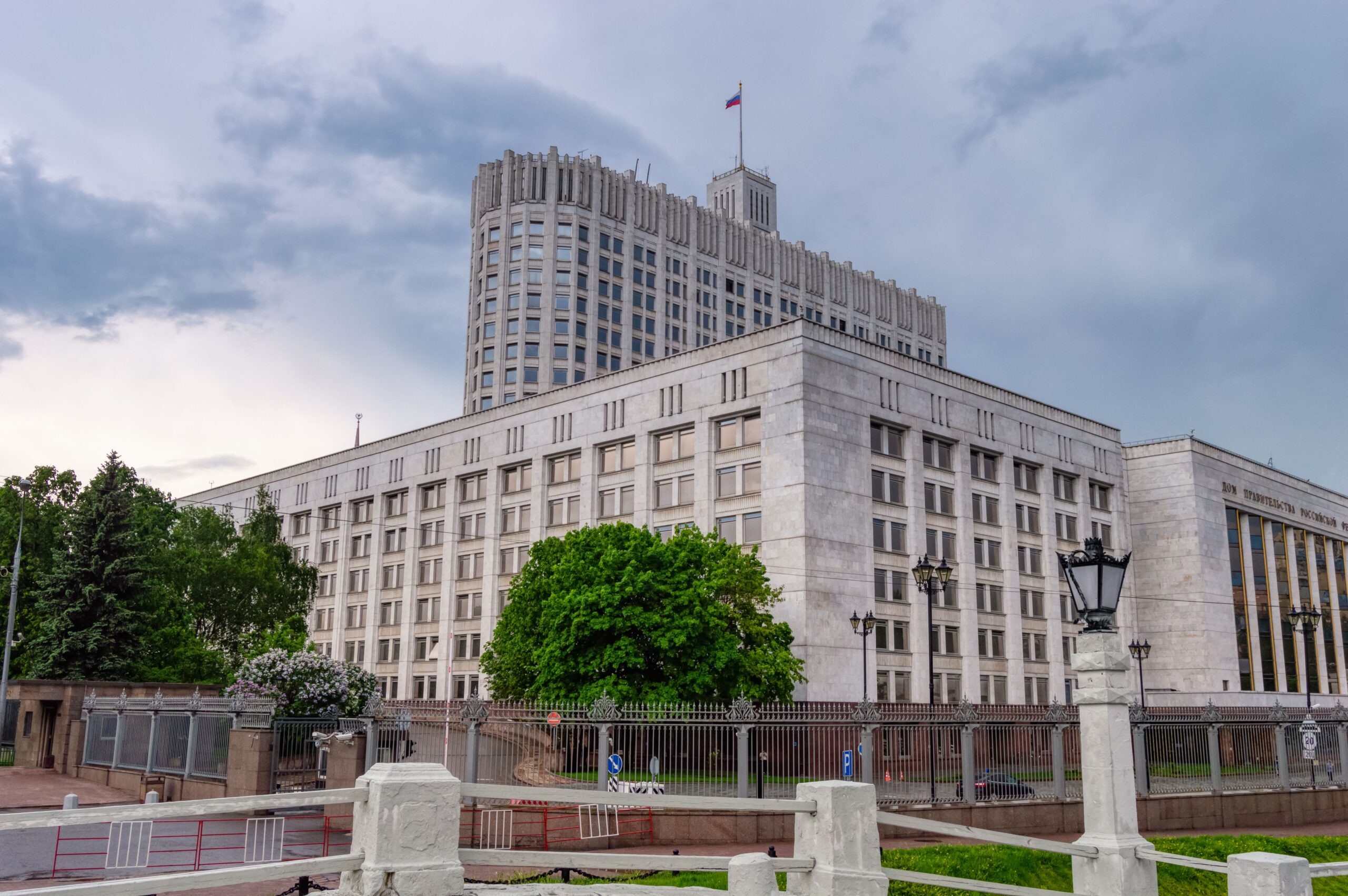
As the talks proceed, the immediate economic and humanitarian context remains dire. On the eve of the negotiations, Russia continued to target Ukraine’s power grid, a reminder of the ongoing conflict that these diplomatic efforts aim to resolve. For Ukrainian households and industries, the prospect of “economic recovery” touted by negotiators is contingent upon the durability of any security guarantees agreed upon. The reduction in U.S. defense assistance noted in Paris has already forced European capitals to reassess their own contribution to Ukraine’s defense, a financial burden that intersects with ongoing debates over energy prices and fiscal stability in the Eurozone.
The divergence in diplomatic strategy highlights a broader uncertainty in the global order. While the U.S. focuses on a direct bilateral or trilateral resolution, Europe sees its security as inextricably linked to the outcome. The next few days will determine whether the “steps” coordinated in Abu Dhabi lead to a broader inclusion of European voices or if the trilateral format becomes the standard for resolving a conflict whose economic and security repercussions are felt across the continent.