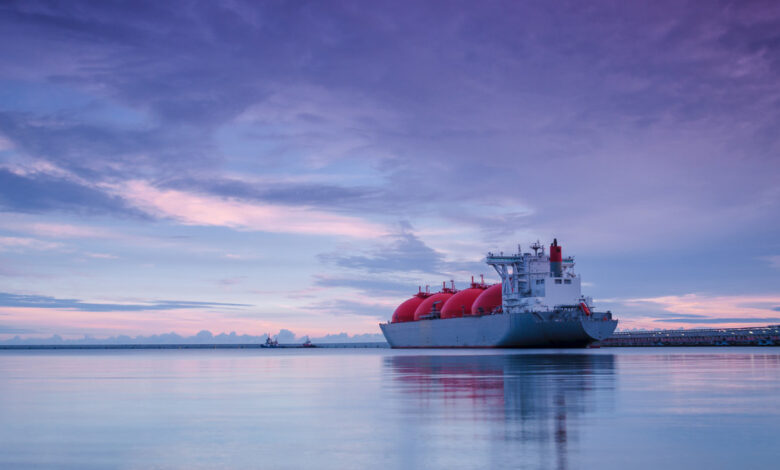
Central to this recovery is Saudi Arabia’s main shipping firm, which has begun sending some tankers through the strait in coordination with the US military. This operational alignment is part of a broader effort by the kingdom to boost oil supplies via the crucial waterway. The result has been a push toward normalizing export volumes, with oil exports moving close to pre-war levels. This coordinated approach highlights how the energy sector is adapting to security threats that have previously constrained flow, ensuring that critical infrastructure remains operational despite the hostile environment surrounding the Gulf.
While the transit numbers signal a return to activity, the underlying production and export capabilities of the Gulf states reveal a more complex picture of recovery. Qatar, a dominant player in the global LNG market, continues to operate under significant constraints. In October, Qatar’s total LNG exports stood at 2.7 million tons. This is a stark contrast to the pre-war baseline; in February, prior to the escalation of hostilities, Qatar’s total LNG exports hit close to 6.2 million tons. The discrepancy underscores that while traffic through Hormuz has increased, the total volume of gas leaving the region is still far from normalizing.
The obstacles for Qatar are both physical and contractual. Iranian attacks on U.S. allies in the Gulf, as stated by QatarEnergy in March, took out 17% of the country’s export capacity. This infrastructure damage resulted in an estimated loss of $20 billion in annual revenue. Consequently, the company declared force majeure, a legal mechanism that exempts a party from liability for failure to perform a contract due to unforeseeable circumstances. Despite this designation, most of the 31 cargoes recorded in October were loaded from Qatar’s Ras Laffan hub. In an unusual logistical maneuver documented by Kpler, in two specific cases, LNG cargoes loaded at Ras Laffan were transferred to other tankers only after the original vessels had cleared the Strait of Hormuz. This transshipment tactic allows for the continuation of contracts even when primary export routes are compromised or when specific vessels cannot safely complete the journey directly from the loading terminal.
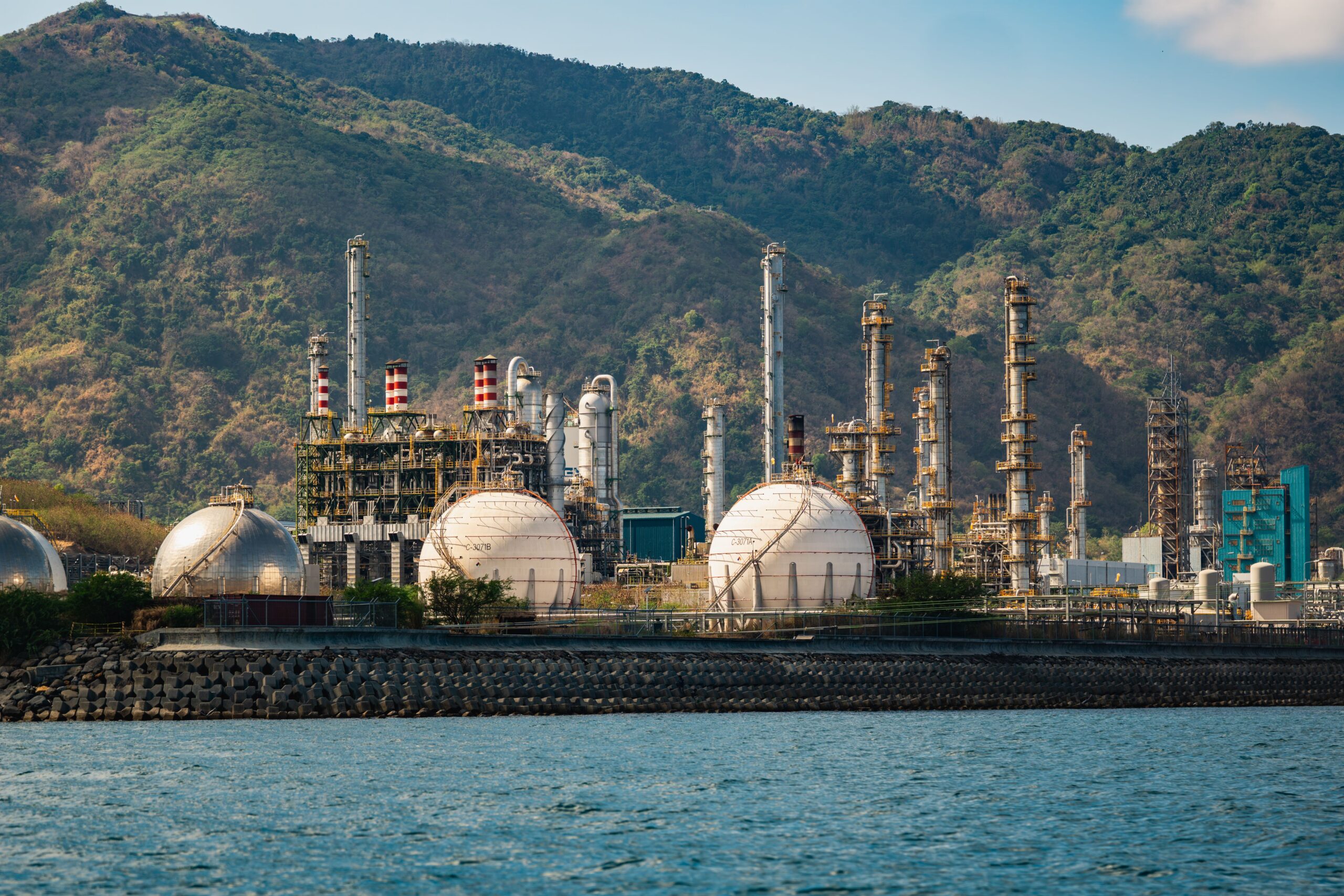
In contrast to Qatar’s partial recovery, the United Arab Emirates has managed to restore its LNG exports to pre-war levels. Data suggests that October loadings from the Das Island facility hit seven vessels, a figure unchanged from September. This stability indicates that the UAE’s infrastructure has either avoided the specific types of damage that crippled Qatar’s capacity or has successfully mitigated the impact of the conflict on its operations. The divergence between the two major Gulf producers highlights the uneven nature of the energy sector’s resilience in the face of regional conflict.
The strain on Gulf supply has forced major buyers to look elsewhere, reshaping long-term trade flows. Qatar has become the largest buyer of U.S. liquefied gas in an unusual twist to its traditional role as a supplier. The country sealed two long-term deals with Cheniere Energy to purchase up to 4 million tons per year of LNG from Cheniere’s Sabine Pass and Corpus Christi export facilities. Deliveries under these agreements are expected to begin in 2031 and continue through 2054. This move reflects how energy producers are scrambling to service existing contracts and secure future supply chains despite the force majeure conditions that currently limit their own output. It also signals a significant shift in global LNG trade geography, with North American gas flowing to the Middle East to offset local shortfalls.
Despite the visible increase in tanker traffic and the restoration of some export routes, analysts warn that the broader energy security landscape remains precarious. Rystad Energy recently warned that the winter in the Northern Hemisphere will be extremely uncertain in terms of energy security. The firm cited a high likelihood of much higher gas prices due to tight supply conditions. The data shows that while the mechanism of transport (tankers in Hormuz) is functioning at higher levels than seen in recent months, the actual volume of gas available for global markets has not fully recovered. The gap between the 31 active tankers in October and the pre-war production levels of countries like Qatar suggests that the market is operating with reduced redundancy and heightened risk.
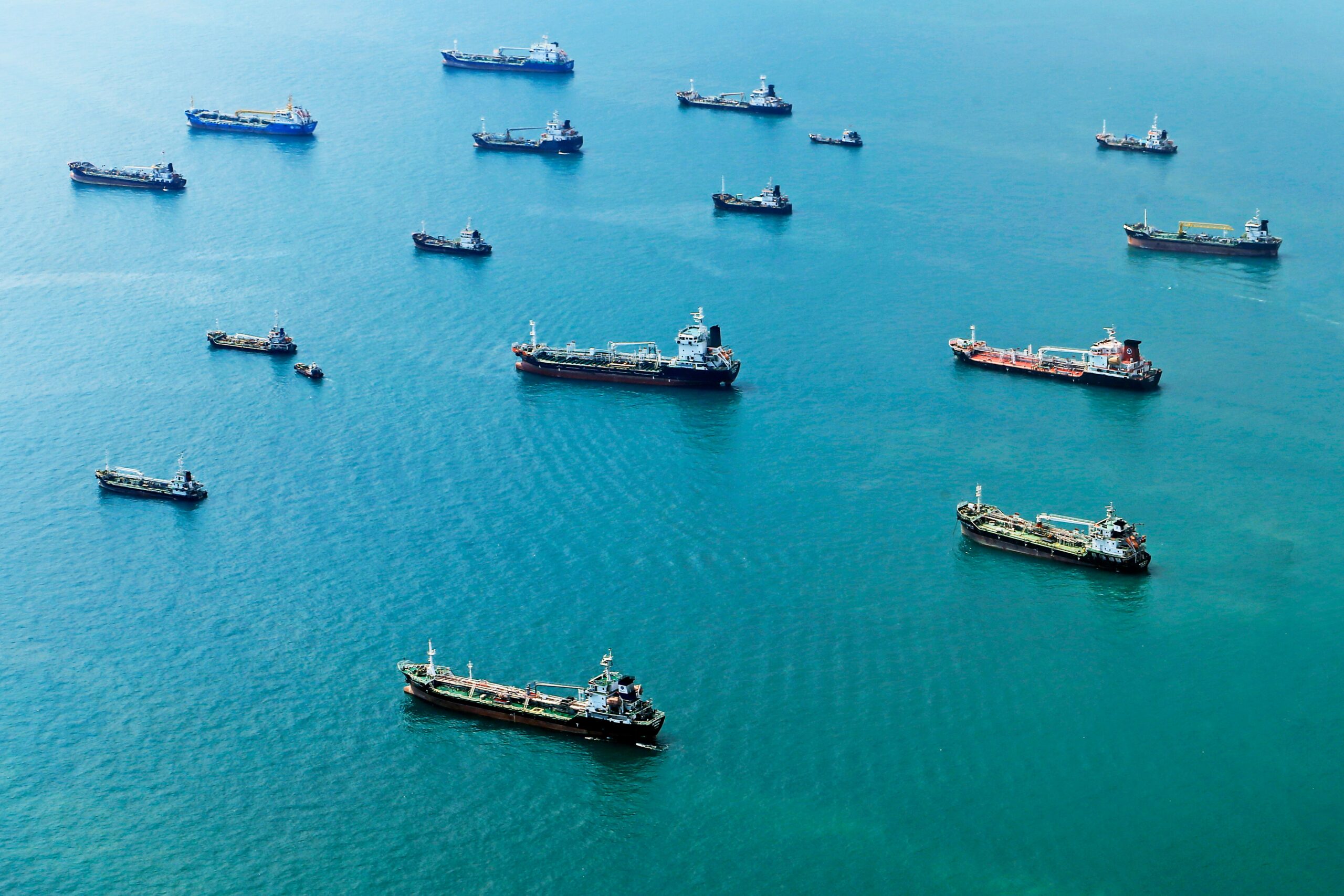
The situation in the Strait of Hormuz is defined by a tension between logistical capability and physical capacity. Saudi Arabia’s coordination with the US military has helped clear a path for oil, and LNG traffic has peaked since the war began, but these metrics do not fully capture the extent of the supply disruption. The reliance on transshipment, the continued force majeure declarations, and the long-term pivot of Qatar to become a net importer of U.S. gas all point to a structural adjustment rather than a simple return to the status quo. As the Northern Hemisphere prepares for winter, the disparity between the flow of tankers and the volume of fuel they carry remains a critical variable for global pricing and security.
For the operators and governments involved, the next phase of this development will depend on whether the coordinated military protection of shipping lanes can sustain the current flow rates. The 31-tanker peak in October serves as a benchmark for what is currently possible under the constraints of the conflict. Whether this level of activity can translate into a stable, long-term supply baseline, or if it remains a temporary logistical bridge until further infrastructure repairs are completed, is the central question facing the global energy market. The data suggests a market that is moving, but moving within a tightened and fragile corridor.