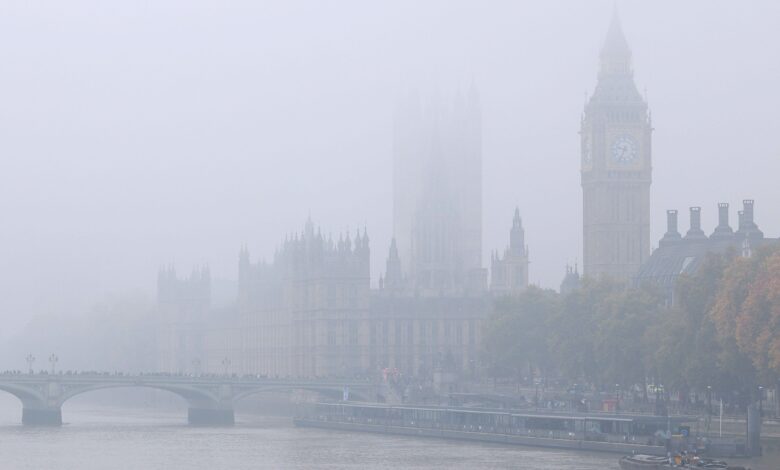
The alert, issued by the Mayor of London, Sadiq Khan, for Tuesday, November 10, marks the fourth such declaration in the city this year. The previous alert was triggered in June during a heatwave. According to the Mayor’s Office, the decision was made on the advice of forecasters at Imperial College London, who identified a convergence of meteorological and anthropogenic factors. Persistent high pressure systems brought light winds and clear skies, allowing fog to form and remain stubbornly in place. “Weak November sunshine has meant it is fairly slow to clear,” said Jason Kelly, the Met Office chief meteorologist. This stagnation prevented the natural dispersion of pollutants, allowing them to accumulate over the weekend of 7-8 November.
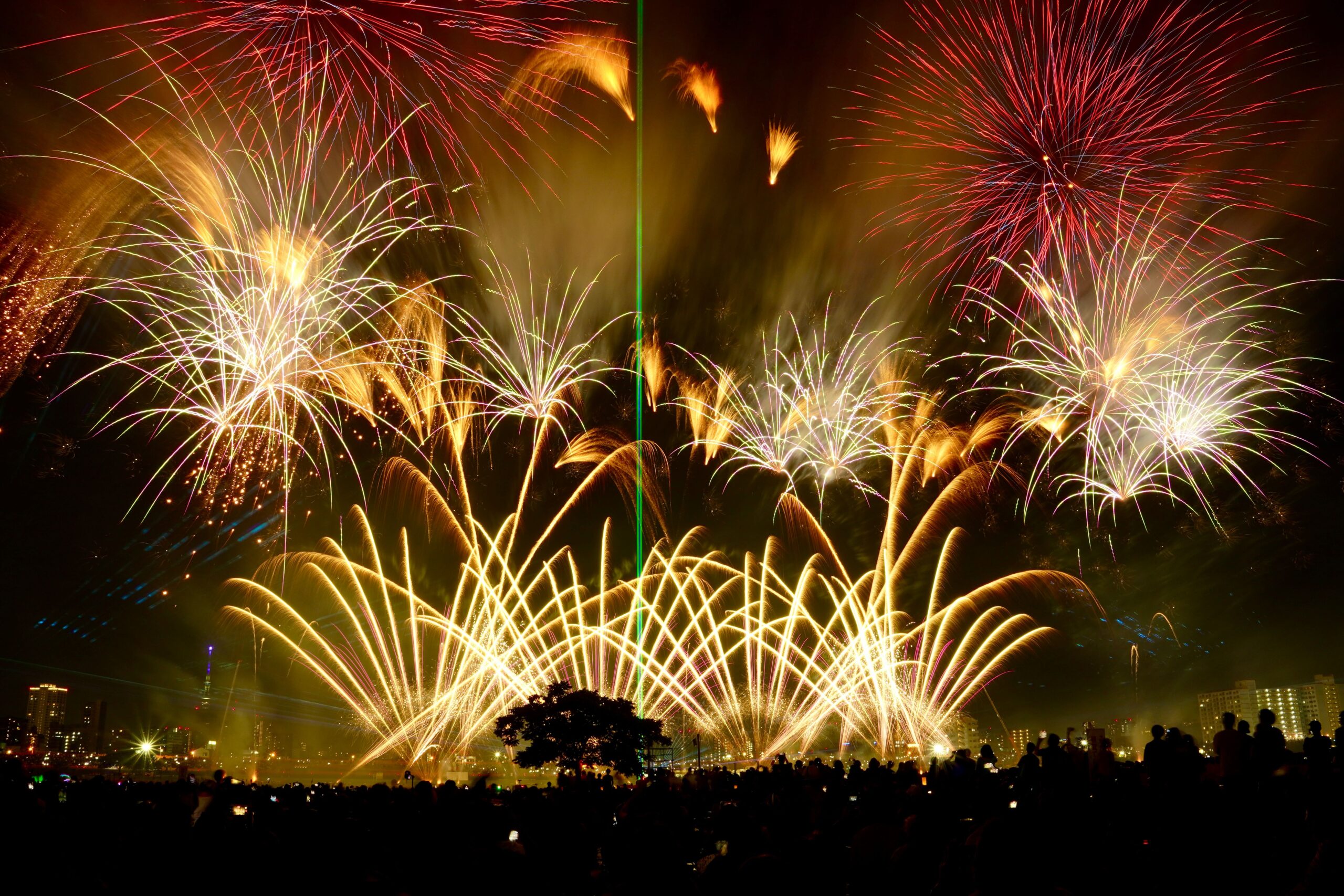
The primary contributors to the buildup were smoke from fireworks associated with Bonfire Night and Diwali, mixed with general urban emissions. While the initial forecast for the weekend predicted only “moderate” pollution levels, the actual readings climbed sharply due to the trapping effect of the fog. Government monitoring sites recorded that 11 locations, primarily in London and Greater Manchester, reached the highest band on the 10-point index for particulate matter in the 24 hours leading up to 10 am on Tuesday. At least 27 sites across London, Yorkshire, and the east of England recorded “high” levels, while several north-western areas, including Manchester Piccadilly, Wigan, Blackburn, and Rochdale, experienced “very high” pollution.
The most severe measurements occurred in Hillingdon, in west London. There, 24-hour average PM2.5 levels reached 129 micrograms per cubic metre. To understand the severity of this figure, it is necessary to compare it to international safety standards. The World Health Organization (WHO) sets a daily guideline for PM2.5 exposure, a threshold designed to protect long-term health. The reading in Hillingdon exceeded this guideline by more than eight times. PM2.5 refers to fine particulate matter small enough to penetrate deep into the lungs and enter the bloodstream, posing particular risks to individuals with respiratory or cardiovascular conditions, as well as children and the elderly.
In response to these measurements, the Greater London Authority (GLA) activated its alert system. Direct notifications were sent to schools, councils, and care homes from 5 to 8 November to ensure that institutions caring for vulnerable groups could take protective measures. Additionally, details were shared with General Practitioners (GPs) and emergency departments to ensure medical staff were equipped with the correct information to assist patients experiencing respiratory distress. Public-facing alerts are currently displayed on bus stop countdown signs and Underground stations, serving as a constant reminder of the air quality status for commuters.
The Mayor’s Office has urged Londoners to “minimise their exposure” by altering their daily routines. Recommendations include walking, cycling, or using public transport instead of driving, switching off engines when idling, and avoiding the burning of garden waste. While these individual actions are unlikely to resolve the immediate crisis caused by the trapped smoke, they aim to prevent further exacerbation of the pollution levels. Mete Coban, the deputy mayor for environment and energy, highlighted the broader context of air quality in the city, noting that “toxic air is responsible for thousands of premature deaths in London each year.” He pointed to the city’s investment in the world’s largest clean air zone as part of a long-term strategy to tackle these recurring issues.

The interplay between meteorology and human activity in this event illustrates the complexity of urban air quality management. The fog itself was not the primary pollutant, but it acted as a lid, preventing the vertical and horizontal mixing that usually dilutes emissions. The Met Office noted that increasing cloud cover and wind are expected to limit further widespread fog development, which should help clear the trapped smoke. The lingering fog is expected to break during Tuesday morning, giving way to cooler, frosty weather later in the week. As the winds pick up, the pollution levels are projected to drop, but the short-term health impacts of the weekend’s exposure remain a concern for vulnerable residents.
This episode underscores the vulnerability of urban populations to the combination of seasonal meteorology and cultural practices involving combustion. While the alert system functioned as intended, providing timely warnings to both the public and health services, the sheer magnitude of the exceedance in areas like Hillingdon highlights the ongoing challenge of keeping London’s air within safe limits. The transition from the trapped, smoggy conditions of the weekend to the clearer, colder weather of the coming days will determine how quickly the health services can return to their standard operations, but the data from this week serves as a stark reminder of how quickly air quality can deteriorate when natural dispersion mechanisms are suspended.