
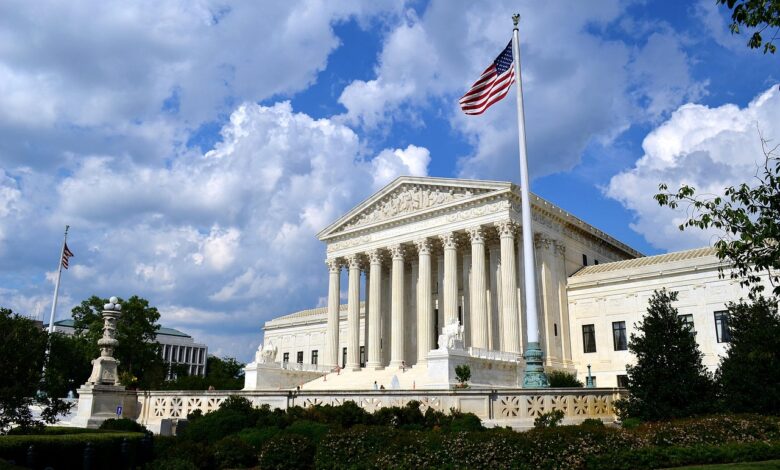
The process began with the JBC officially inviting five senior sitting justices of the Supreme Court to apply for the post of Chief Justice. This specific invitation highlights the council’s approach to filling the top judicial seat, focusing on individuals already serving within the bench. By limiting the initial pool to five senior justices, the JBC signals a preference for experience and tenure within the Supreme Court as primary criteria for the chief executive of the judiciary. This procedural step is distinct from the selection of Associate Justices, though both fall under the JBC’s mandate to ensure that the highest court is staffed by individuals of proven competence and integrity.
The legal significance of the JBC’s actions lies in its role as the primary filter for judicial appointments. Under the Philippine Constitution, the JBC is responsible for evaluating and recommending candidates for judgeship. Its decisions are generally final and executory, meaning that once the council submits its list, the President is not legally bound to appoint someone outside of that list. This constitutional design places significant weight on the JBC’s internal deliberations and the evidence it considers regarding the candidates’ moral character, competence, and independence. The submission of the shortlist therefore represents the culmination of this rigorous screening process.

While the sources confirm the submission of the shortlist and the specific invitation to five senior justices, they do not provide a detailed breakdown of the legal reasoning behind the council’s specific deliberations or the individual evaluations of each candidate. However, the act of shortlisting implies that the JBC has completed its initial assessment of the applicants. In cases involving the Chief Justice, the JBC often considers the candidate’s track record in judicial administration, their standing among peers, and their adherence to ethical standards. The fact that the council invited only sitting justices suggests a continuity of judicial philosophy and institutional knowledge, a factor that often weighs heavily in such high-stakes appointments.
The wider public consequence of this development is the impending transition in the Supreme Court’s leadership. The Chief Justice serves as the head of the Judiciary, overseeing the administration of courts nationwide and managing the budget and personnel of the judicial system. The identity of the next Chief Justice will therefore influence the pace and direction of legal reforms, the management of caseloads, and the court’s public engagement. For the legal community, the shortlist signals a period of transition where the balance of power within the Supreme Court may shift, depending on the final appointment and the subsequent reorganization of the court’s divisions.
It is essential to distinguish between the JBC’s recommendation and the final appointment. The JBC’s role is evaluative, not appointive. The President retains the power of appointment, but that power is constrained by the JBC’s list. This separation of powers ensures that the judiciary remains independent from the executive while still being subject to constitutional checks. The current status of the shortlist is that it has been submitted, awaiting the next constitutional step. There are no reported disputes or challenges to the JBC’s process in the provided materials, indicating a procedural consensus on the validity of the shortlist as it stands.

The invitation to five senior justices for the Chief Justice role also raises questions about the broader pool of candidates for Associate Justice positions. While the sources specify the Chief Justice applicants, the JBC’s mandate covers all judicial vacancies. The process for Associate Justices typically involves a wider range of applicants, including lawyers in private practice, government officials, and academics, in addition to sitting judges. The JBC’s simultaneous handling of both posts suggests a coordinated effort to address multiple vacancies within the Supreme Court, ensuring that the court remains fully constituted to handle its significant caseload.
The impartiality of the JBC’s process is a cornerstone of its legitimacy. The council operates on the principle of merit, evaluating candidates based on objective criteria rather than political affiliation. This standard is crucial in a legal system where the independence of the judiciary is a fundamental right. The submission of the shortlist, therefore, is not just a procedural formality but a reaffirmation of the JBC’s commitment to selecting qualified individuals for the highest judicial offices. The next confirmed legal step will be the review of this shortlist by the President, who will select the individuals to be appointed to the Supreme Court. Until that decision is made, the candidates remain in a state of procedural limbo, their status defined solely by their inclusion in the JBC’s recommendation.