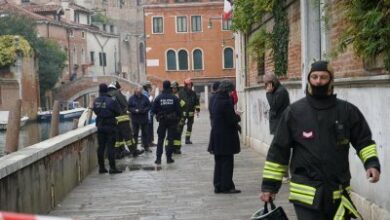
The death toll has fluctuated in initial reports; Alasbahi initially cited 22 fatalities to the AP before updating the figure to 25 in a statement to Houthi-linked broadcaster Al-Masirah TV. He stated that civilians remained buried under the rubble of destroyed houses and alleged that subsequent strikes targeted emergency workers attempting to extract survivors from the wreckage. Footage from Al-Masirah showed the aftermath of the strikes, with dust filling the air and residents hiding in nearby agricultural fields. Hospital scenes depicted staff carrying the bodies of young children and tending to wounded civilians, including a man in a first responder’s orange vest who appeared injured.
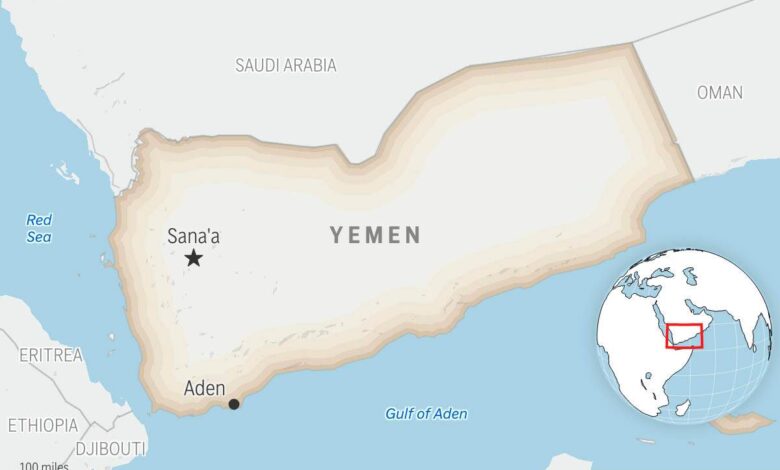
This strike represents a significant escalation in the operational tempo of Yemen’s civil war, which has seen a rapid worsening following the collapse of a yearslong truce over the summer. The conflict is currently divided between the Iranian-backed Houthis, who control Sanaa and large swathes of the north and west, and the Saudi-backed internationally recognized government based in the south and east. The Houthi offensive has pushed forward along the Red Sea coast, resulting in the capture of strategic territory including the port city of Mokha and islands in the Bab el-Mandeb Strait in September.
The broader military context involves the “Dawn of Yemen” offensive, launched on October 5 by Rashad al-Alimi, head of Yemen’s Presidential Leadership Council. The objective of this operation is to recapture areas under Houthi control and ultimately liberate Sanaa, which the rebels have held since 2014. The campaign relies on air support from the Saudi-led coalition and ground operations by government forces. While government forces claim to have recaptured positions around Dhubab, Bab al-Mandeb, and mountainous areas in Haifan, fighting has also spread to Marib, with contested gains around the Maas camp. Conversely, government forces suffered setbacks in Taiz governorate, where a Houthi siege has continued to affect the city, though pro-government media reported the recapture of areas such as al-Nidani village on Saturday.
Operational exchanges have intensified beyond the ground war. The Houthis have targeted Saudi oil facilities, military infrastructure, and shipping in the Red Sea. On Saturday, the Saudi-led coalition reported intercepting a Houthi missile launched toward Riyadh province. The previous day, an airstrike on a market in Taiz governorate killed at least 30 people, according to Houthi officials, with both the Houthis and Saudi-backed forces blaming each other for the attack.
The humanitarian consequences of this renewed fighting are severe. The United Nations reports that over 1,600 people have been killed and more than 300,000 displaced since the intensification of hostilities. The war, which began when the Houthis seized the capital in 2014, has already created one of the world’s worst humanitarian disasters. With the internationally recognized government stating its drive to dismantle Houthi military capacity is “irreversible,” observers fear the conflict may worsen before any resolution is reached.