
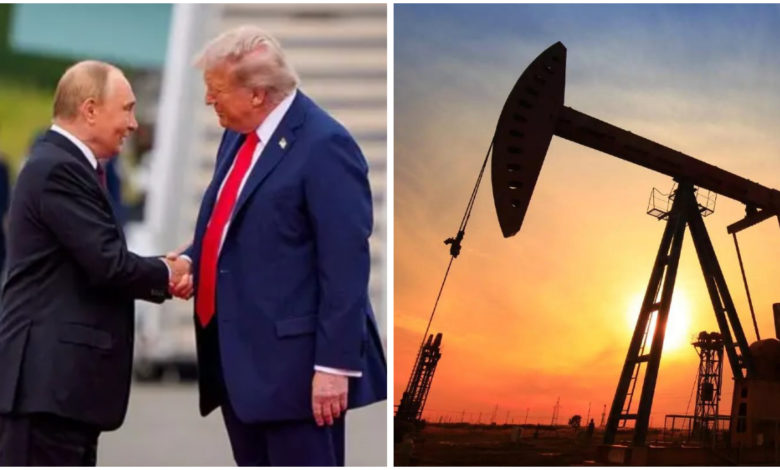
The resumption of exports is conditional upon regulatory compliance. The US Department of the Treasury has confirmed that the arrangement adheres to all applicable legal standards, addressing previous concerns regarding regulatory hurdles. This official confirmation clears the path for the restart of commercial flows, although specific volumes, pricing mechanisms, and delivery schedules were not detailed in the announcement.
The decision comes at a time of heightened volatility in the fuel sector. Lavrov linked the diplomatic progress to broader market stabilization efforts, suggesting that the return of Russian diesel supplies will help mitigate price pressures currently affecting consumers and industrial users. The agreement underscores a continued, if complex, interdependence between the two nations in the energy sector, despite ongoing geopolitical tensions.
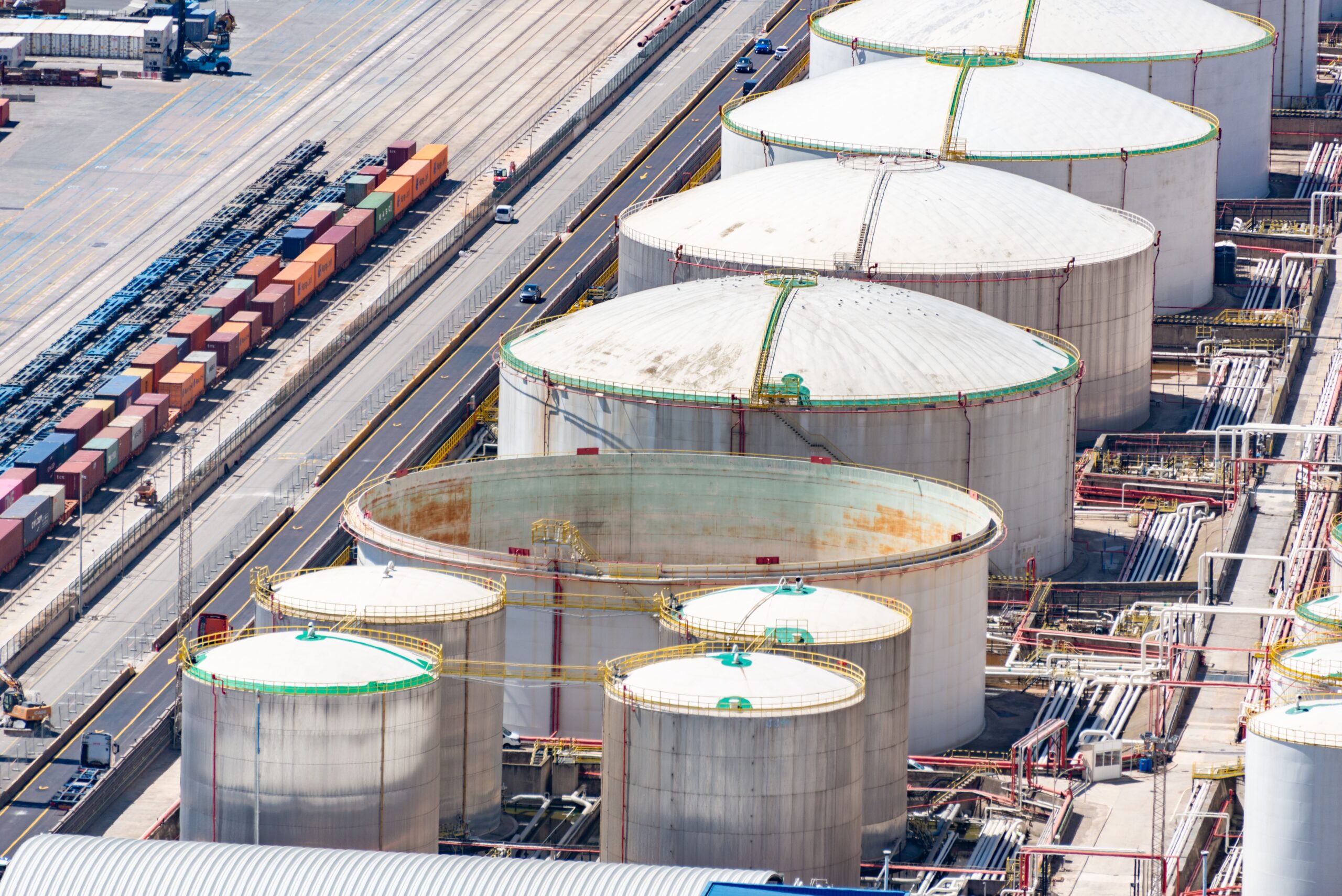
Meanwhile, the domestic energy landscape in Russia remains under strain. Ukrainian attacks on Russian energy infrastructure have persisted, resulting in fuel shortages across several regions of the country. These internal logistical challenges highlight the dual pressure on Russia’s energy system: managing domestic supply disruptions caused by military conflict while simultaneously re-engaging with major export markets to maintain economic stability.
The interplay between domestic supply constraints and international export agreements creates a complex operational environment for Russian energy companies. While the export deal offers a financial and strategic outlet for Russian diesel, the ongoing impact of infrastructure damage on domestic distribution networks may limit the total volume available for export in the near term. Market observers will closely monitor whether the stipulated legal compliance allows for a full-scale resumption of trade or only a limited phase-in of shipments.

As of now, no specific timeline for the first shipments has been provided. The next critical step involves the operational execution of the trade, subject to ongoing regulatory oversight and the physical capacity of Russian refining and logistics networks to meet export demands while addressing domestic shortages.